
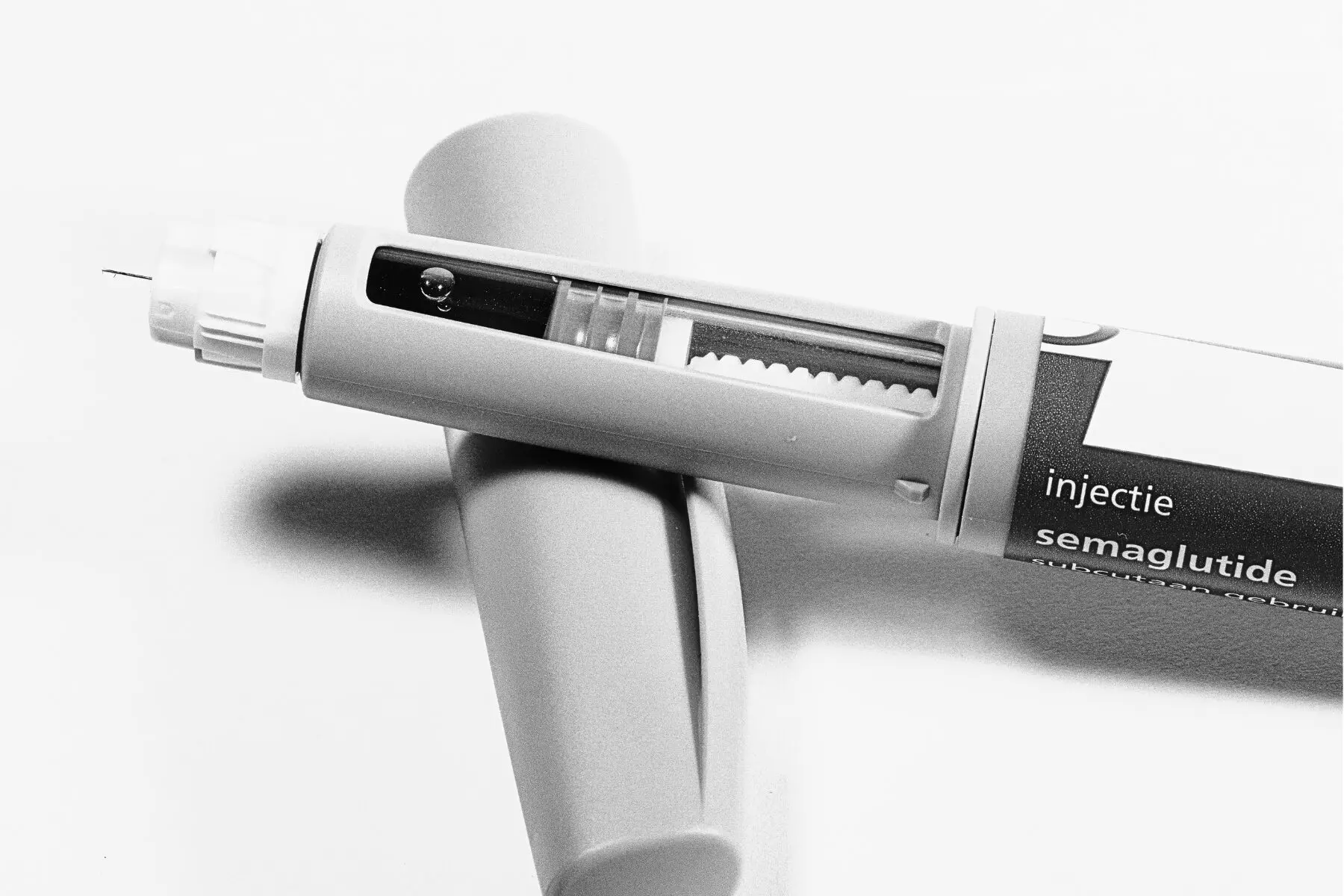
GLP-1 medications like Ozempic® and Wegovy® are getting a lot of attention for weight loss. These medications, originally used for Type 2 diabetes, are now commonly prescribed for weight loss as well. They work by reducing appetite, improving blood sugar control and supporting insulin sensitivity.
Let’s walk through how excess body weight and GLP-1s can affect fertility, as well as the medication’s effect on pregnancy.
How Weight and Fertility Connect
Body weight can influence fertility, especially when insulin resistance or conditions like PCOS are involved. Higher levels of body fat can disrupt hormones, affect ovulation and increase inflammation. The good news is that even modest weight loss, around 5% to 10% of body weight, can improve ovulation and pregnancy rates for many people.
Do GLP-1 Medications Affect Fertility?
Early research suggests GLP-1 medications may indirectly support fertility for certain patients by improving insulin sensitivity, lowering androgen levels and reducing inflammation. For some people, especially those with insulin resistance, these effects may lead to more regular menstrual cycles and improved hormone balance.
That said, they’re not right for everyone. GLP-1 medications are not fertility treatments, and timing matters. Any decision to use them should always be made with guidance from a qualified healthcare provider.
Important Safety Note: GLP-1 Use During Pregnancy
GLP-1 medications are not recommended during pregnancy. Current guidance suggests stopping them at least two months before trying to conceive.
Why? Appetite suppression can make it harder to meet calorie and nutrient needs, side effects like nausea or gastrointestinal discomfort are common, and certain medical histories can make these medications unsafe.
Any decision about using GLP-1 medications should always be made with your healthcare team, especially if pregnancy is part of your plan.
The Bottom Line
GLP-1 medications can be a helpful tool for some people navigating weight and fertility, but they’re not a one-size-fits-all solution.
The right timing, enough nourishment and individualized care make all the difference. If you’re considering these medications or already using them, have an open conversation with your fertility care team. Together, you can create a plan that supports your health now and your future pregnancy goals.
GLP-1 and Fertility: Common Questions
Can Ozempic or Wegovy improve fertility?
GLP-1 medications are not fertility treatments, but by improving insulin resistance and supporting weight loss, they may help restore ovulation in some individuals.
Can you take GLP-1 medications while trying to conceive?
Most medical guidelines recommend stopping GLP-1 medications at least two months before trying to conceive.
Can you take GLP-1 medications during pregnancy?
No. GLP-1 medications are not recommended during pregnancy.
Are GLP-1 medications safe for people with PCOS?
Some research suggests GLP-1 medications may help people with PCOS by improving insulin resistance and metabolic health, but they should only be used under medical supervision.
Sources
- Luo Z, Wang L, Wang Y, et al. Impact of insulin resistance on ovarian sensitivity and pregnancy outcomes in patients with polycystic ovary syndrome undergoing IVF. J Clin Med. 2023;12(3):818. doi:10.3390/jcm12030818.
- Zhang X, et al. Insulin resistance and reproductive outcomes in polycystic ovary syndrome. Front Endocrinol (Lausanne). 2024. https://www.frontiersin.org/journals/endocrinology/articles/10.3389/fendo.2024.1288326/full
- Practice Committee of the American Society for Reproductive Medicine. Obesity and reproduction: a committee opinion. Fertil Steril. 2015;104(5):1116-1126. doi:10.1016/j.fertnstert.2015.08.018.
- Legro RS, Dodson WC, Kunselman AR, et al. The effects of weight loss on reproductive function in obese women. J Clin Endocrinol Metab. 2007;92(9):3162-3167. doi:10.1210/jc.2007-0145.
- American College of Obstetricians and Gynecologists. Weight and fertility guidance. https://obgyn.onlinelibrary.wiley.com/doi/10.1111/aogs.15010
- Wang X, Xu Y, et al. Association of GLP-1 receptor agonists with reproductive outcomes. Nat Commun. 2024;15:3114. https://www.nature.com/articles/s41467-024-52898-y
- Ezeh U, Yildiz BO, Azziz R. Referral patterns and treatment outcomes in polycystic ovary syndrome. J Clin Endocrinol Metab. 2022;107(4):1040-1051.
- Palomba S, Falbo A, Zullo F, Orio F. Evidence-based and patient-centered management of polycystic ovary syndrome. Endocr Rev. 2023;44(2):109-143.
- Whitcomb BW, Purdue-Smithe AC, et al. Preconception lifestyle intervention and IVF outcomes. Reprod Biomed Online. 2020;40(1):93-102.
- Pavli P, Triantafyllidou O, Kapantais E, Vlahos NF, Valsamakis G. Infertility improvement after medical weight loss in women and men: a review of the literature. Int J Mol Sci. 2024;25(3):1909. doi:10.3390/ijms25031909.
- Zhou L, Qu H, Yang L, et al. Effects of GLP-1 receptor agonists on pregnancy rate and menstrual cyclicity in women with polycystic ovary syndrome: a systematic review and meta-analysis. BMC Endocr Disord. 2023;23:245. doi:10.1186/s12902-023-01500-5.
- Harvard Health Publishing. GLP-1 diabetes and weight loss drug side effects. https://www.health.harvard.edu/staying-healthy/glp-1-diabetes-and-weight-loss-drug-side-effects-ozempic-face-and-more
- Mayo Clinic. Byetta (exenatide) side effects and information. https://www.mayoclinic.org/diseases-conditions/type-2-diabetes/expert-answers/byetta/faq-20057955
- Cleveland Clinic. GLP-1 receptor agonists. https://my.clevelandclinic.org/health/treatments/13901-glp-1-agonists
- Doucet É, Imbeault P, et al. Long-term outcomes of GLP-1 therapy. CMAJ. 2024;196(43):E1413.
- Wilding JPH, Batterham RL, Calanna S, et al. Once-weekly semaglutide in adults with overweight or obesity. Diabetes Obes Metab. 2020;22(2):231-240.
- Thomas DT, Erdman KA, Burke LM. American College of Sports Medicine joint position statement: Nutrition and athletic performance. Med Sci Sports Exerc. 2016;48(3):543-568. doi:10.1249/MSS.0000000000000852.