
Reference Library
Explore evidence-based information on fertility, hormones, biomarkers, diagnoses, treatments, and reproductive health.

Vitamin B12 Deficiency
Impact of Vitamin B12 Deficiency on fertility
Vitamin B12 deficiency can make your blood clot (thicken) more quickly, which can lead to complications in early pregnancy and increase the risk of miscarriage. If you are vitamin B12 deficient over a long period of time, it can interfere with ovulation and alter the mucus membrane of your ovaries and fallopian tubes, which makes it harder for the egg to get fertilized by sperm or implant in the womb.
Potential causes of Vitamin B12 Deficiency
Here’s what can lead to a vitamin B12 deficiency:
- Inadequate amount of vitamin B12 in your diet (vegetarian and vegan diets can lead to a deficiency)
- Lack of intrinsic factor (a protein made in the stomach that helps absorb vitamin B12)
- Gastritis or other digestive system disorders (Crohn’s disease and celiac disease)
- Autoimmune conditions
- Worm infestation (pinworm, tapeworm, hookworm, etc.)
- Certain medications (metformin, heartburn medication, and birth control pills)
- High alcohol consumption
- Stomach surgery (gastrectomy or weight loss surgery)
Symptoms of Vitamin B12 Deficiency
Vitamin B12 deficiency can cause a variety of symptoms, which may start slowly and worsen as the deficiency continues over time.
Here are the signs you are vitamin B12 deficient:
- Fatigue
- Weakness
- Diarrhea
- Loss of appetite
- Weight loss
- Sore mouth or tongue
- Tingling or numbness in hands and feet
- Vision issues
- Memory problems or difficulty thinking
- Trouble walking
- Depression
- Irritability
Treatment to improve fertility
On the bright side, it’s easy to fix a vitamin B12 deficiency to improve your overall health and fertility. Depending on your levels of vitamin B12, you may be recommended to take a daily supplement or have regular injections. Vitamin B12 is also available as a nasal spray.
Animal products including meat, dairy, eggs, and fish are high in vitamin B12, which is why vegetarians and vegans are at a higher risk of developing a deficiency. If you follow a plant-based diet, look for breakfast cereals and nondairy milk fortified with vitamin B12 in addition to supplementation.
Drinking more than one alcoholic beverage per day can reduce your body’s absorption of vitamin B12. If you’re a frequent drinker, it’s a good idea to lower your alcohol consumption to help your vitamin B12 levels as well as your fertility.
Evidence shows that having a high level of vitamin B12 is associated with greater chances of a live birth following assisted reproduction treatment.
- Vitamin B12 Deficiency. Cleveland Clinic. Accessed 05 Oct 2022.
- Vitamin B-12. Mayo Clinic. Accessed 05 Oct 2022.
- Guney T et al. Epidemiology of Vitamin B12 Deficiency. Ed. Kasenga F. Epidemiology of Communicable and Non-Communicable Diseases – Attributes of Lifestyle and Nature on Humankind. 2016. 10.5772/61903.
- Vitamin 12 deficiency can be sneaky and harmful. Harvard Health. Accessed 05 Oct 2022.
- Wilhoite D et al.: Pinworms: The Missing Link Between Vitamin B12 Deficiency and Tissue Eosinophilia. American Journal of Gastroenterology. 2018;113:p S1367.
- Layden AJ et al.: Neglected tropical diseases and vitamin B12: a review of the current evidence. Trans R Soc Trop Med Hyg. 2018;112(10):413-435.
- Top 12 Foods That Are High in Vitamin B12. Healthline. Accessed 05 Oct 2022.
- Vitamin B12 Deficiency Anemia. Johns Hopkins Medicine. Accessed 05 Oct 2022.
- Vitamin B12-Deficiency Anemia. National Heart, Lunch, and Blood Institute. Accessed 05 Oct 2022.
- Gaskins AJ et al.: Association between serum folate and vitamin B-12 and outcomes of assisted reproductive technologies. The American Journal of Clinical Nutrition. 2015;102(4):943-950.
- Bennett M: Vitamin B12 deficiency, infertility and recurrent fetal loss. J Reprod Med. 2001;46(3):209-12.

Iron deficiency anemia
Impact of iron deficiency anemia on fertility
Iron is a very important mineral for fertility. Not having enough iron is associated with ovulation problems, miscarriage, low birth weight, and preterm labor. When there isn’t enough flow of oxygen to the ovaries, it can also reduce egg quality. This can make conception more difficult and prevent a fertilized egg from implanting in the womb.
Potential causes of iron deficiency anemia
Iron deficiency anemia can be caused by:
- Lack of iron in your diet (vegetarians and vegans are at higher risk of iron deficiency)
- Blood loss (women with heavy periods are at higher risk of iron deficiency)
- Intestinal disorder (f.e. celiac disease)
- Bypass or surgical removal of part of the small intestine
Pregnancy can also lead to iron deficiency anemia.
Symptoms of iron deficiency anemia
Iron deficiency anemia may not have symptoms at first, but as the deficiency gets worse, the following signs can appear:
- Severe fatigue
- Weakness
- Pale skin
- Headache, dizziness, feeling lightheaded
- Chest pain, fast heartbeat, shortness of breath
- Cold hands and feet
- Brittle nails
- Tongue inflammation
Diagnosis of iron deficiency anemia
Doctors diagnose iron deficiency anemia based on the results of different blood tests. These tests check the following blood parameters:
- Complete blood count (CBC)
- Hemoglobin levels
- Blood iron levels
- Ferritin levels
Treatment to improve fertility
It’s super important to increase your iron levels before getting pregnant because pregnant women need even more iron than non-pregnant women to have a healthy flow of oxygen to the growing baby.
Thankfully iron deficiency can be easily treated through supplementation and dietary changes. You can take a supplement as a daily pill, or if necessary through regular injections, depending on your iron levels. Research shows that women who take iron supplements have a 40% lower risk of ovulatory infertility than those who don’t.
Here are the iron-rich foods that you can eat more of to improve your iron levels:
- Red meat, pork, and poultry
- Spinach
- Liver
- Shrimp
- Beans
- Lentils
- Fortified grains (f.e. bread, cereal, and pasta)
- Verbena tea and shiso leaf tea
Besides that, it’s helpful to know that vitamin C enhances your body’s absorption of iron.So it’s a good idea to eat these foods too to help raise your iron levels and improve fertility:
- Citrus fruits
- Bell peppers
- Broccoli
- Berries
- Tomatoes
Iron tablets may cause constipation, but eating a high-fiber diet, staying hydrated, and exercising regularly can prevent that.
You can read more in-depth about iron and fertility in our blog article.
- Nutrition During Pregnancy. The American College of Obstetricians and Gynecologists. Accessed 04 August 2022.
- Foods That Can Affect Fertility. Eat Right by the Academy of Nutrition and Dietetics. Accessed 04 August 2022.
- Iron – Fact Sheet for Consumers. National Institutes of Health, Office of Dietary Supplements. Accessed 05 August 2022.
- Aneamia. World Health Organization. Accessed 05 August 2022.
- Gardner W and Kassebaum N: Global, Regional, and National Prevalence of Anemia and Its Causes in 204 Countries and Territories, 1990-2019. Current Developments in Nutrition. 2020;4(2):830.
- Pasricha PhD SR et al.: Iron deficiency. The Lancet Seminar. 2021;397(10270):233-248.
- Chavarro JE et al.: Iron intake and risk of ovulatory infertility. Obstet Gynecol. 2006;108(5):1145-52.
- Sathiyanarayanan S et al.: A study on significant biochemical changes in the serum of infertile women. Int.J.Curr.Res.Aca.Rev. 2014;2(2):96-115.
- Hahn KA et al.: Iron Consumption Is Not Consistently Associated with Fecundability among North American and Danish Pregnancy Planners. The Journal of Nutrition. 2019;149(9):1585-1595.
- Iron: Vitamins and minerals. NHS. Accessed 23 August 2022.
- Worldwide prevalence of anaemia 1993-2005. WHO Global Database on Anaemia. World Health Organization.
- Iron deficiency anemia. Mayo Clinic. Accessed 23 August 2022.
- Iron-Deficiency Anemia. Johns Hopkins Medicine.
- Al-Naseem A et al.: Iron deficiency without anaemia: a diagnosis that matters. Clinical Medicine Journal. 2021
- Iron-Deficiency Anemia. National Heart, Lung, and Blood Institute. Accessed 02 January 2022.
Cycle abnormalities
- You get your period more often than every 21 days (polymenorrhea) or less often than every 35 days (oligomenorrhea)
- You’ve missed 3 periods or more in a row (amenorrhea)
- You have a very heavy or light flow
- You bleed for more than 7 days (menorrhagia)
- You experience severe pain and cramping (dysmenorrhea), nausea, or vomiting around your period, or
- You bleed in between periods or after sex (metrorrhagia).
Impact of cycle abnormalities on fertility
When you get your period more or less frequently than usual or your cycle length fluctuates quite a bit from month to month, it can be difficult to predict ovulation so you have sex at the right time in the month. If you aren’t getting your periods, this often means that you aren’t ovulating. Without ovulation, it’s not possible to get pregnant because there is no egg waiting to be fertilized by sperm. Around 25% of infertility cases are because of not ovulating.
The menstrual cycle is a good window into overall health, and irregularities can sometimes signal that there’s an underlying condition that’s also reducing fertility. Many conditions that affect periods can make it more difficult to conceive and have a healthy pregnancy when they are untreated.
Potential causes of cycle abnormalities
Many things can cause cycle abnormalities, including:
- Lifestyle factors (big weight loss or gain, overly exercising, eating disorders such as anorexia or bulimia, illness, travel, severe stress)
- Hormonal imbalances (especially GnRH, FSH, LH, testosterone, and prolactin)
- Medication (e.g. blood thinners or drugs for anxiety or epilepsy)
- Polycystic ovary syndrome (PCOS)
- Thyroid disorders
- Pelvic inflammatory disease (PID)
- Bleeding disorders
- Diabetes
- Uterine fibroids or polyps
- Scarring on the uterus
- Endometriosis
- Primary ovarian insufficiency (POI)
- Uterine or cervical cancer
Note that it can take around 6 months for your periods to get back to usual after stopping hormonal birth control.
For more in-depth knowledge on menstrual abnormalities and what causes them, check out our blog article on irregular cycles.
Diagnosis of cycle abnormalities
Doctors perform many tests to look for the cause of cycle abnormalities. You may have a pelvic exam, Pap smear, vaginal cultures, blood tests, ultrasound of your abdomen, and/or a biopsy of your uterus. A laparoscopy may also be necessary, which is a minimally invasive procedure where a doctor makes a small cut in your abdomen and inserts a thin tube that allows him/her to see your uterus and ovaries.
Treatment to improve fertility
Since there are so many possible reasons for an abnormal menstrual cycle, treatment will look different from woman to woman depending on what’s causing it. This may include medication, surgery, or other procedures such as uterine artery embolization (to cut off blood supply to fibroids). There are also medications available that can make periods and ovulation return so that you can get pregnant.
Beyond that, leading a healthy lifestyle with plenty of regular exercise and nutritious foods and vitamins can improve cycle abnormalities. You can work together with a LEVY Coach and nutritionist to create a personalized plan that will help regulate your cycle and get your body ready for a successful pregnancy.
- Abnormal Menstruation (Periods). Cleveland Clinic. Accessed 07 November 2022.
- Irregular periods. NHS. Accessed 15 June 2022.
- Stopped or missed periods. NHS. Accessed 15 June 2022.
- Menstrual Cycle. The Office on Women’s Health from the U.S. Department of Health and Human Services. Accessed 15 June 2022.
- Irregular Periods: Why Is My Period Late? Penn Medicine. Accessed 15 June 2022.
- Heavy and Abnormal Periods. American College of Obstetricians and Gynecologists. Accessed 15 June 2022.
- Intrauterine Adhesions: What Are They? ReproductiveFacts.org from the American Society for Reproductive Medicine. Accessed 15 June 2022.
- Anovulation. Cleveland Clinic. Accessed 07 November 2022.

Vitamin D deficiency
Impact of vitamin D deficiency on fertility
Vitamin D deficiency may lead to menstrual cycle disorders and interfere with ovulation. It’s also associated with polycystic ovary syndrome and low levels of AMH, which decreases the egg reserve.
Research has found that women with healthy levels of vitamin D get pregnant quicker with IVF and are more likely to have a live birth. And studies of women struggling to conceive have found that up to half had a vitamin D deficiency.
Furthermore, vitamin D deficiency can increase the risk of developing high blood pressure during pregnancy (preeclampsia) which can have serious health complications for both the mother and baby. Low levels of vitamin D in men has also been linked to poor semen quality.
Potential causes of vitamin D deficiency
Not getting enough vitamin D through your diet or from the sun is the main cause of a deficiency. It’s also possible that your body isn’t absorbing vitamin D as it should. Certain health conditions (kidney and liver diseases and cystic fibrosis), medications, obesity, or weight loss-surgeries are other potential causes of a deficiency.
People with darker skin and those who cover their skin when spending time outside are at greater risk of developing a vitamin D deficiency.
Symptoms of vitamin D deficiency
Signs of a vitamin D deficiency include:
- Fatigue
- Bone pain
- Weak, achy and crampy muscles
- Depression
Diagnosis of vitamin D deficiency
Your body produces 25-hydroxyvitamin D (also known as 25(OH)D) when you get vitamin D from foods and sunlight. Low levels of this in a blood test mean you have a deficiency.
Treatment of vitamin D deficiency to improve fertility
The World Health Organization recommends exposing your arms and face to the sun for 30 minutes per day to get your fill of vitamin D. But in some regions, it’s hard to do this year-round.
Luckily, it’s easy to treat vitamin D deficiency by taking dietary supplements. Children and adults up to age 50 (including pregnant and lactating women) are recommended to get 200 IU of vitamin D per day. Speak to your doctor about choosing the right dose for your vitamin D supplement. Be careful not to overdo it with the supplements, as too much vitamin D can have health complications.
You can also increase your intake by eating more foods with vitamin D, such as:
- Mushrooms
- Fatty fish (salmon, tuna, mackerel and sardines)
- Beef liver
- Egg yolks
- Cheese
Foods fortified with vitamin D include:
- Milk products (cow’s milk, soy, almond and oat milk)
- Cereals
- Fat spreads
- Meat products
If vitamin D has been added to a food, you should be able to see it on the label.
For more nutritional advice during your TTC journey, check out our article on fertility foods for women.
- Most info came from the current LEVY article on vitamin D.
- Vitamin D Deficiency. Cleveland Clinic. Accessed 12 September 2022.
- Singh V, M.D. et al.: Association between serum 25-hydroxy vitamin D level and menstrual cycle length and regularity: A cross-sectional observational study. Int J Reprod Biomed. 2021;19(11):979-986.
- Łagowska K: The Relationship between Vitamin D Status and the Menstrual Cycle in Young Women: A Preliminary Study. Nutrients. 2018;10(11):1729.
Endometriosis
Impact of endometriosis on fertility
Up to 50% of women with endometriosis experience difficulty getting pregnant. This condition affects fertility because tissue growth or scarring can damage the ovaries or fallopian tubes, blocking the movement of sperm or eggs. Endometriosis can also harm egg quality and distort pelvic anatomy.

Potential causes of endometriosis
There’s not a clear cause for endometriosis, but experts believe it to be due to one or a combination of the following factors:
- Retrograde menstruation: When period blood with endometrial cells flows back through the fallopian tubes and into the pelvis rather than leaving the body through menstruation.
- Cellular transformation: When hormones or immune factors cause cells outside the uterus to change form.
- Endometrial cell movement: When blood vessels move cells from the uterine lining around the body.
- Immune system disorder: When the body can’t get rid of the endometrial-like tissue growing in other places.
- Surgery: After an operation in the pelvic area (such as a C-section), endometrial-like cells may grow at the location of the incision
Genetics and environmental toxins could also play a role.
Symptoms of endometriosis
Women experience this condition differently and symptoms can vary from very mild to severe. The most common sign is chronic pelvic pain. Other symptoms include:
- Period pain that gets in the way of daily life
- Pain during or after sex (Dyspareunia)
- Uncomfortable bowel movements and painful urination
- Fatigue
- Heavy periods or bleeding between periods
- Bloating and nausea
Diagnosis of endometriosis
Based on your symptoms, LEVY makes a suspected diagnosis for endometriosis. We recommend you visit an OB-GYN for a physical exam to confirm if you have this condition. Endometriosis can be diagnosed through the following methods:
- Pelvic exam: Your doctor inserts their fingers into your vagina and places the other hand on top of your tummy to check for cysts, scarring, or enlarged ovaries.
- Laparoscopy: A surgeon makes a tiny cut on your belly and inserts a small instrument that lets them see inside your abdomen. Any abnormal tissue found during the exam can also be removed with this method.
- Imaging techniques: Your doctor may do an ultrasound, magnetic resonance imaging (MRI), or a computerized tomography (CT) scan to look at your pelvic area.
When diagnosed, endometriosis gets classified into four stages (I-IV), ranging from minimal to severe.
Treatment to improve fertility
Although there’s, unfortunately, no definitive cure for endometriosis just yet, treatments exist that can ease symptoms and improve fertility. Your age, how long you’ve been trying to conceive, and level of pelvic pain are all important factors to consider when deciding on the right path for treatment.
Surgical operations, including surgical ablation and laparoscopy, can destroy or remove endometrial tissue, scarring, and ovarian cysts to reduce pelvic pain and improve the chances of conceiving. Studies have found that surgery helps almost 40% of infertile women with endometriosis get pregnant within 2 years. Assisted reproduction
treatments like intrauterine insemination (IUI) and in vitro fertilization (IVF) may also be recommended to help you conceive.
It’s possible for the endometrial tissue to grow back after surgery and pain to return, so many women need other treatments over the long-term. For instance, birth control
pills can lessen period cramping and pain from endometriosis.
Lifestyle changes like adopting an endometriosis-friendly diet, exercising more, and practicing meditation can also help to manage symptoms and improve quality of life. Add
more foods rich in antioxidants, fiber, iron, and healthy fats to your plate as they may help reduce inflammation and pain from this condition.
The good news is that lots of women with endometriosis are able to have a baby, either naturally or with medical assistance.
- Endometriosis. World Health Organization. Accessed 10 February 2022.
- Huijs E & Nap A: The effects of nutrients on symptoms in women with endometriosis: a systematic review. Reproductive Medicine Online. 2020;41(2): 317-328.
- Endometriosis (booklet). ReproductiveFacts.org from the AmericanSociety for Reproductive Medicine. Accessed 10 January 2022.
- 31 Ways to Help Relieve Endometriosis Pain. Healthline. Accessed 10 January 2022.
- Lee HJ et al: Various anatomic locations of surgically proven endometriosis: A single-center experience. Obstet Gynecol Sci. 2015;58(1): 53-58.
- ESHRE Guideline Endometriosis. European Society of Human Reproduction and Embryology. Accessed 10 February 2022.
- Palep-Singh MR & Patil SB: Fertility outcomes in women post surgery for endometriosis. Fert Stert. 2018;110(4): E394
- Soriano D et al: Fertility outcome of laparoscopic treatment in patients with severe endometriosis and repeated in vitro fertilization failures. Fert Stert. 2016;106(5): 1264-1269.
- Uterine artery embolisation for treating adenomyosis. National Institute for Health and Care Excellence.
- Endometriosis. Mayo Clinic. Accessed 10 February 2022.
- Sanchez, Ana Maria et al. Is the oocyte quality affected by endometriosis? A review of the literature. J Ovarian Res. 2017; 10(43). doi: 10.1186/s13048-017-0341-4
- Laparoscopic Surgery for Endometriosis. University of Michigan Health. Accessed 24 January 2022.
- Missmer SA et al.: A prospective study of dietary fat consumption and endometriosis risk
- Jurkievicz-Przondziono J et al: Influence of diet on the risk of developing endometriosis. Ginekologia Polska. 2017;88(2): 47748.
- Marziali M et al.: Gluten-free diet: a new strategy for management of painful endometriosis related symptoms? Europe PMC. 2012;67(6): 499-504.

Recurrent miscarriage
Impact on fertility
Recurrent miscarriage raises the probability of more miscarriages, which is why it’s very important to get an in-depth checkup and testing to search for the cause. The good news is that most women who have had recurrent miscarriages are able to have a successful pregnancy. Studies show that around 70% of women who have had 3 miscarriages have a live birth later on.
Potential causes
There are many possible causes for recurrent miscarriages, including:
- Chromosomal defects (the most common cause of all miscarriages)
- Structural abnormalities in the uterus, such as the septate uterus
- Uterine fibroids
- Uterine polyps
- Blood clotting disorders, including Antiphospholipid syndrome (APS)
- Overactive immune system
- Thyroid disorders
- Hormonal conditions, such as polycystic ovary syndrome and luteal phase deficiency
- Diabetes
- Bacterial vaginal infections, such as chlamydia
- Cervical insufficiency
- Inflammation in the uterine lining (endometriosis, adenomyosis, chronic endometritis)
Women over 35 have a higher chance of miscarriage because as egg quality goes down, the risk of chromosomal problems goes up.
Certain lifestyle factors including smoking, using drugs such as cocaine, and being overweight are linked with recurrent pregnancy loss.
Symptoms
Signs of a miscarriage include:
- Vaginal bleeding
- Cramping and pain in the lower abdomen
- Discharge of fluid or tissue from the vagina
- Not having the typical pregnancy signs anymore, such as nausea and breast sensitivity
If you experience the following symptoms during pregnancy, please seek urgent medical care:
- Severe pain in your tummy or shoulder
- Diarrhea and vomiting
- Feeling very faint and lightheaded
These signs can indicate an ectopic pregnancy, which can lead to life-threatening bleeding if left untreated, so it’s very important to get medical attention right away.
Diagnosis
There are many tests to look for the cause of recurrent miscarriages. Which tests you get depends on your medical background and any other symptoms you’re experiencing.
Diagnostics can include:
- Taking a detailed medical and family history
- Genetic chromosomal testing
- Genetic testing of the pregnancy tissue
- Imaging tests of the uterus (ultrasound, hysteroscopy)
- Blood testing for a clotting disorder
- Immunological testing for natural killer (NK) cells
- Smear test of the vagina
- Tests for thyroid hormones, menstrual cycle hormones, and blood glucose levels
Treatment to improve fertility
Going through a miscarriage is a devestating experience, but try to take comfort in knowing that the majority of women with recurrent miscarriages are able to have a baby. Depending on what’s causing your miscarriages, there are many treatment options available that can greatly improve your chances of a successful pregnancy.
For instance, hormonal conditions, blood clotting disorders, thyroid disease, an overactive immune system, diabetes, and infections can be treated well with medication. Structural abnormalities in the uterus can be corrected through surgery, and operations are available to help with inflammation in the womb like endometriosis. Uterine fibroids and polyps can also be treated with medication or surgery. For cervical insufficiency, a band (called a cerclage) can be placed in the cervix to prevent the pregnancy tissue from descending prematurely.
If chromosomal defects are the culprit, you can opt to have preimplantation genetic testing of your eggs or embryos before they are placed in the uterus while undergoing in vitro fertilization (IVF).
In addition to medical treatment, leading a healthy lifestyle can go a long way towards helping you have a successful pregnancy. Here are some things you can do to prep your body for pregnancy: Aim for a BMI between 18-25 if you are overweight, use relaxation techniques like mindfulness to manage stress, avoid smoking, limit consumption of alcohol and caffeine, eat well (learn about fertility-boosting foods here), and get regular exercise.
- Repeated Miscarriages. The American College of Obstetricians and Gynecologists. Accessed 11 Oct 2022.
- Pirtea MD P et al.: Endometrial causes of recurrent pregnancy losses: endometriosis, adenomyosis, and chronic endometritis. Fert Stert. 2021;115(3):546-560.
- Miscarriage and Recurrent Pregnancy Loss (RPL). University of Chicago Medicine. Accessed 12 Oct 2022.
- Symptoms Miscarriage. NHS. Accessed 12 Oct 2022.
- Sneider K et al. “Recurrence of second trimester miscarriage and extreme preterm delivery at 16-27 weeks of gestation with a focus on cervical insufficiency and prophylactic cerclage.” Acta Obstet Gynecol Scand. 2016;95(12):1383-1390.
- Guideline on the management of recurrent pregnancy loss. European Society of Human Reproduction and Embryology.
- The Practice Committee of the American Society for Reproductive Medicine: Evaluation and treatment of recurrent pregnancy loss: a committee opinion. Fert Stert ASRM PAGES. 2012;98(5):1103-1111.
- What is Recurrent Pregnancy Loss (RPL)? ReproductiveFacts.org from the American Society for Reproductive Medicine.

Thrombocytopenia
Impact of thrombocytopenia on fertility
Thrombocytopenia itself doesn’t affect your chances of conceiving. However, some of the causes of low platelets can impact fertility, so be sure to get an in-depth checkup to find out what is decreasing your platelet count and begin targeted treatment if necessary.
During pregnancy, having too few platelets can lead to premature labor and a slight risk of increased bleeding during delivery. It can also prevent you from being able to get an epidural or deliver via cesarean section. Antiphospholipid syndrome (APS) is a potential cause of thrombocytopenia and can increase the risk of miscarriage and stillbirth.
Potential causes of thrombocytopenia
A low platelet count has 3 potential causes: either your bone marrow isn’t producing enough of these cells, your spleen stops platelets from circulating through your bloodstream, or your body is destroying platelets.
Thrombocytopenia can be due to the following:
- Bacterial or viral infections
- Vitamin B12 or folic acid deficiency
- Certain medications (e.g. ibuprofen, heparin, antibiotics, seizure and heart medication)
- Surgery
- High alcohol consumption
- Exposure to toxic chemicals, such as pesticides
- Autoimmune conditions (e.g. lupus, rheumatoid arthritis, immune thrombocytopenia, antiphospholipid syndrome)
- Cancer treatments
- Blood cancers (leukemia or lymphoma)
- Enlarged spleen
- A disorder that makes blood clots form in small blood vessels
- Myelodysplastic syndrome (a condition in which the bone marrow doesn’t produce enough blood cells or makes irregular cells)
- Aplastic anemia (a blood disorder where the bone marrow stops producing enough new blood cells)
Certain pregnancy complications, including preeclampsia and HELLP syndrome, can also cause thrombocytopenia.
Symptoms of thrombocytopenia
In many cases, thrombocytopenia doesn’t have any symptoms. But as the platelet count decreases, you may experience:
- Heavy periods
- Nosebleeds
- Easy bruising
- Bleeding gums
- Blood in poop, urine, or vomit
- Red, purple, or brown spots on the skin
- Fatigue
Rarely, severe thrombocytopenia can cause dangerous internal bleeding.
Diagnosis of thrombocytopenia
Doctors diagnose thrombocytopenia with a physical exam and various tests. A complete blood count (CBC) checks your levels of different blood cells. During a blood smear, a healthcare provider looks at platelets under a microscope. You may have a blood clot test, which determines how long it takes your blood to clot. Finally, you may get a biopsy of your bone marrow.
Treatment to improve fertility
People with mild thrombocytopenia (which is the case most of the time) usually don’t need treatment, just observation. Ask your doctor what your low platelet count means for you and how it may affect a future pregnancy. If your thrombocytopenia is due to an underlying medical condition such as an autoimmune disorder, your doctor will create a treatment plan for the root cause.
When needed, doctors commonly prescribe medication (corticosteroids) to increase the platelet count. In rare and severe cases, healthcare providers may recommend a blood transfusion or surgical removal of the spleen to treat thrombocytopenia.
Eating more of the following foods can also help boost your platelet count:
- Dark chocolate
- Dark, leafy green vegetables
- Eggs
- Fortified breakfast cereals and dairy alternatives
- Vitamin C-rich foods, including oranges, Brussels sprouts, and red bell peppers
- Black-eyed peas
- Lentils
- Lean beef and beef liver
On top of that, make sure you are taking your prenatal vitamins because they contain folic acid and vitamin B12. These are important for both platelet production and the baby’s development.
If you drink a lot of alcohol, know that this can decrease platelet levels and affect fertility. No amount of alcohol is safe for a growing baby, so all women trying to conceive are recommended to stop drinking completely.
It’s common for the platelet count to go down during pregnancy because of normal changes in the body. Treatment for thrombocytopenia during pregnancy is usually not necessary unless the platelet count drops to dangerously low levels. The platelet count usually returns to a healthy level on its own after delivery.
- Thrombocytopenia. Cleveland Clinic. Accessed 23 November 2022.
- Thrombocytopenia. MedlinePlus – National Library of Medicine. Accessed 23 November 2022.
- Thrombocytopenia. National Heart, Lunch, and Blood Institute. Accessed 23 November 2022.
- Thrombocytopenia (low platelet count). Mayo Clinic. Accessed 23 November 2022.
- How can having low platelets affect my pregnancy and birth plan? UT Southwestern Medical Center. Accessed 23 November 2022.
- Patient education: Antiphospholipid syndrome (Beyond the Basics). UpToDate. Accessed 23 November 2022.
- Mangla A and Hamad H: Thrombocytopenia in Pregnancy. StatPearls [Internet]. 2022.

Dysmenorrhea (period pain)
Primary dysmenorrhea is cramping caused by the body’s own production of prostaglandins. These are chemicals produced by your uterine lining which build up over the course of your cycle and make your uterus contract. The pain tends to be the strongest on the first day you start bleeding and goes down as you shed your uterine lining through menstruation. Some cycles may be more or less painful than others.
Secondary dysmenorrhea is when painful periods are due to a reproductive health condition which may also be impacting fertility.
Potential causes of secondary dysmenorrhea
Painful periods can be a symptom of the following conditions:
- Endometriosis (a common condition where tissue similar to the uterine lining grows in other areas)
- Adenomyosis (when tissue that normally lines the uterus grows on the muscular wall of the uterus)
- Uterine fibroids (non-cancerous growths on the uterus)
- Pelvic inflammatory disease (an infection caused by bacteria such as chlamydia or gonorrhea)
- Uterine polyps (growths inside the uterine cavity)
- Cervical stenosis (narrowing or closure of the cervix)
ain from secondary dysmenorrhea typically begins earlier in the cycle and lasts longer than common cramps.
Impact of dysmenorrhea on fertility
Primary dysmenorrhea doesn’t affect fertility. Secondary dysmenorrhea, on the other hand, is a symptom of another condition which could be making it more difficult for you to get pregnant.
For instance, endometriosis (the most common cause of secondary dysmenorrhea) can damage and scar the ovaries and fallopian tubes, which blocks the movement of sperm and eggs and can stop a fertilized egg from reaching the uterus. Endometriosis can also reduce the quality of your eggs and alter your pelvic anatomy.
Uterine fibroids and polyps can change the shape of the uterus, block a fertilized egg from implanting, and increase the risk for miscarriage. Polyps may also cause inflammation in the womb which interferes with implantation and normal development of the embryo.
Pelvic inflammatory disease (PID) can lead to permanent scarring on the fallopian tubes, preventing sperm from reaching an egg and a fertilized egg from getting to the uterus. PID can also cause fallopian tubes to become swollen and filled with fluid (called a hydrosalpinx). These increase the probability of an ectopic pregnancy six-fold.
Cervical stenosis can prevent sperm from entering the uterus and complicate fertility treatments including intrauterine insemination (IUI) and in vitro fertilization (IVF).
Symptoms of dysmenorrhea
The most common sign of dysmenorrhea is cramping. Other signs of period pain can include:
- Pain in the lower back, hips, and inner thighs
- Diarrhea
- Nausea
- Vomiting
- Headache
- Dizziness
Diagnosis of dysmenorrhea
To find out if you have primary or secondary dysmenorrhea, you should get diagnostic tests and discuss any other symptoms you’re experiencing with your healthcare provider. Tests to look for the cause of dysmenorrhea may include:
- Pelvic exam
- Vaginal swab test
- Urine and blood tests
- Ultrasound
- Laparoscopy
Treatment for secondary dysmenorrhea to improve fertility
If your doctor finds that you have a health condition such as endometriosis or fibroids that are causing you to have severe period pain, you can start on a treatment plan to improve both your symptoms as well as your fertility.
For endometriosis, surgical operations can destroy or remove endometrial tissue, scarring, and ovarian cysts to help with pain and improve the chances of getting pregnant. Evidence shows that surgery helps almost 40% of infertile women with endometriosis get pregnant within 2 years. Read more about endometriosis and treatments in our factsheet and blog article.
Treatment for fibroids can include surgery, medication, non-invasive treatments, and interventional radiology and is decided on a case-by-case basis. Research shows that when submucosal fibroids are surgically removed before getting pregnant, women have higher rates of pregnancy and delivery, particularly when fibroids are the only thing reducing fertility. Read more about the types of fibroids and treatment in our blog article.
Medication and surgery can also be used to treat polyps. Studies find that surgical removal of polyps can significantly improve pregnancy rates in women who conceive naturally as well as those who use IUI to get pregnant.
PID is treated with antibiotics, but that unfortunately can’t reverse scarring to the fallopian tubes. Surgery can help clear blockages in fallopian tubes and improve the chances of conceiving naturally. If the tubes are too damaged, in vitro fertilization (IVF) is a good option to get pregnant. A hydrosalpinx may need to be removed or separated from the womb to raise the probability of IVF success.
Finally, cervical stenosis is treated through dilation (widening) of the cervix. Small, lubricated metal rods get inserted through the cervical opening, progressively increasing in size. A doctor may place a tube in the cervix and leave it in place for several weeks to keep the cervix open.
Besides treating the cause of secondary dysmenorrhea, here are several ways to relieve pain from cramps:
- Take a nonsteroidal anti-inflammatory drug such as ibuprofen or aspirin
- Place a heating pad or hot water bottle on your tummy or under your lower back
- Avoid caffeine, smoking, and drinking alcohol
- Inhale essential oils or rub them on your tummy (lavender, sage, rose, marjoram, cinnamon, and clove are the most effective)
- Get some exercise
- Take a hot bath
- Do some gentle yoga
- Take a magnesium supplement
- Drink enough water (8 glasses/day)
- Dysmenorrhea: Painful Periods. The American College of Obstetricians and Gynecologists. Accessed 20 Oct 2022.
- Dysmenorrhea. John Hopkins Medicine. Accessed 20 Oct 2022.
- Dysmenorrhea. Cleveland Clinic. Accessed 20 Oct 2022
- Chami AA and Saridogan E: Endometrial Polyps and Subfertility. J Obstet Gynaecol India. 2017;67(1):9-14.
- Pelvic inflammatory disease (PID). Diagnosis. Mayo Clinic. Accessed 20 Oct 2022.
- Pelvic Inflammatory Disease (PID). The American College of Obstetricians and Gynecologists. Accessed 20 Oct 2022
- Freytag D et al: Uterine Fibroids and Infertility. Diagnostics (Basel). 2021;11(8):1455.
- Pereira N et al. Surgical Management of Endometrial Polyps in Infertile Women: A Comprehensive Review.
- Dehnavi Z et al.: The Effect of aerobic exercise of primary dysmenorrhea: A clinical trial study. J Educ Health Promot. 2018;7:3.
- Lee MS et al.: Aromatherapy for Managing Pain in Primary Dysmenorrhea: A Systematic Review of Randomized Placebo-Controlled Trials. J Clin Med. 2018;7(11):434.
- Yang NY and Kim SD: Effects of a Yoga Program on Menstrual Cramps and Menstrual Distress in Undergraduate Students with Primary Dysmenorrhea: A Single-Blind, Randomized Controlled Trial. J Altern Complement Med. 2016;22(9):732-738.
- Parazzini F et al.: Magnesium in the gynecological practice: a literature review. Magnes Res. 2017;30(1):1-7.
- How to Get Rid of Period Cramps: 14 Remedies to Try. Healthline. Accessed 20 Oct 2022.
- Hydrosalpinx. ReproductiveFacts.org from the American Society for Reproductive Medicine. Accessed 20 Oct 2022.
- Cervical Stenosis. Merck Manual. Accessed 20 Oct 2022.
- What is Pelvic Inflammatory Disease (PID) and How Does It Affect Fertility? What to expect. Accessed 08 July 2022.
- Endometriosis. World Health Organization. Accessed 10 February 2022.
- Palep-Singh MR & Patil SB: Fertility outcomes in women post surgery for endometriosis. Fert Stert. 2018;110(4): E394

Diminished ovarian reserve
Impact of diminished ovarian reserve on fertility
Having fewer eggs in your ovaries can make it more difficult to get pregnant, but it’s by no means impossible. It just takes one egg and one sperm to conceive. In fact, women under 35 with DOR who ovulate regularly have around the same chances of getting pregnant per cycle as other women the same age with a normal ovarian reserve. Egg quality is another important factor for fertility, which begins to go down around age 35.
Potential causes of diminished ovarian reserve
Normal aging causes the egg reserve to go down most of the time. But it may decrease faster for some women due to:
- Genetic disorders that impact that X chromosome
- Cancer treatment
- Ovarian surgery (such as for endometriosis)
- Autoimmune disorders
- Smoking
Symptoms of diminished ovarian reserve
There generally aren’t noticeable symptoms of diminished ovarian reserve. As you approach menopause, lower estrogen levels can cause:
- Hot flashes
- Trouble sleeping
- Irregular or missed periods
- Vaginal dryness
Diagnosis of diminished ovarian reserve
Doctors can diagnose diminished ovarian reserve through blood tests on days 2–5 of the cycle. Low AMH levels are the best indication that the egg supply is reduced, and can be analyzed in combination with FSH and estrogen levels.
Treatment to improve the chances of getting pregnant
While it’s unfortunately not possible to reverse diminished ovarian reserve or get the ovaries to produce more eggs, there are ways to help you achieve your reproductive goals. In vitro fertilization (IVF) is a good option for women with a low egg reserve who are struggling to conceive.
In short, IVF is a medical treatment where you take hormonal medication to make your ovaries mature several eggs in one menstrual cycle, which get extracted and combined with sperm in a petri dish. If a sperm successfully fertilizes an egg, it will be placed into the uterus. You can choose to freeze eggs or embryos for use in a future IVF in case you need to try again or if you wish to have more children.
It’s also important to protect the quality of your eggs to improve your chances of conceiving. You can do this by not smoking, taking vitamins (including folic acid), and leading a healthy lifestyle including proper nutrition and plenty of exercise.
Beyond that, research from 2018 found that women under 35 with DOR who were treated with a supplement called CoQ10 for 60 days before undergoing IVF had higher numbers of retrieved eggs, higher fertilization rates, and higher quality embryos than those who didn’t receive treatment.
If these treatments are unsuccessful, using donor eggs together with IVF is a good option for women with a low egg reserve, especially if the eggs that are left are low quality.
- Diminished Ovarian Reserve. Columbia University Irving Medical Center. Accessed 08 Oct 2022.
- Diminished Ovarian Reserve. Cleveland Clinic. Accessed 08 Oct 2022.
- Xu Yangying et al.: Pretreatment with coenzyme Q10 improves ovarian response and embryo quality in low-prognosis young women with decreased ovarian reserve: a randomized controlled trial. Reprod Biol Endocrinol. 2018;16(1):29.
- Exercise to improve fertility and pregnancy outcome. LAIVF. Accessed 10 Oct 2022.
- American College of Obstetricians and Gynecologists Committee on Gynecologic Practice and Practice Committee: Female age-related fertility decline. Committee Opinion No. 589. Fertil Steril. 2014;101(3):633-4.
- What is diminished ovarian reserve? Women & Infants | Care New England Health System. Accessed 18 October 2022.

Iron deficiency
Because of menstrual bleeding, women of reproductive age have a higher risk of iron deficiency. If the deficiency continues for too long, it can develop into iron deficiency anemia.
So, how much iron do you need? According to guidelines from the American College of Obstetricians and Gynecologists, non-pregnant women require 18 mg of iron per day. During pregnancy, the daily need increases to 27 mg.
Impact of iron deficiency on fertility
Iron and fertility are closely linked. A deficiency of this crucial mineral can interfere with ovulation, making it more difficult to conceive. It can also reduce the quality of your eggs (due to decreased oxygen flow to the ovaries) and lead to implantation failure (when a fertilized egg can’t implant in the uterus). During pregnancy, iron deficiency increases the risk of miscarriage, low birth weight, and preterm birth. Babies born to mothers who are deficient in iron may also have poorer neurodevelopment.
Potential causes of iron deficiency
Possible causes of iron deficiency include:
- Lack of iron in the diet (vegetarians are more likely to be iron deficient)
- Heavy menstrual flow
- Certain medications (such as aspirin)
- Regular blood donation
- Chronic conditions that cause bleeding
- Intensive exercise
- Inability to absorb or use iron from food (for instance, because of celiac disease or bariatric surgery)
Symptoms of iron deficiency
Being deficient in iron can cause the following symptoms:
- Weakness
- Fatigue
- Difficulty concentrating
- Decreased productivity
- Reduced exercise performance
- Irritability
- Restless legs syndrome
- Fibromyalgia syndrome (a chronic disorder causing body pains and insomnia)
It can also make symptoms of hypothyroidism persist despite treatment.
Diagnosis of iron deficiency
Iron deficiency is diagnosed via blood tests. Ferritin is considered the most sensitive test of the iron stores in the body and is used widely to diagnose iron deficiency. Ferritin is a protein that stores iron, and low levels point to a deficiency.
Transferrin is a protein that transports iron and healthcare providers may measure this as well to diagnose iron deficiency.
Treatment to improve fertility
Iron deficiency is diagnosed via blood tests. Ferritin is considered the most sensitive test of the iron stores in the body and is used widely to diagnose iron deficiency. Ferritin is a protein that stores iron, and low levels point to a deficiency.
Transferrin is a protein that transports iron and healthcare providers may measure this as well to diagnose iron deficiency.
Diagnosis of iron deficiency
Iron deficiency is diagnosed via blood tests. Ferritin is considered the most sensitive test of the iron stores in the body and is used widely to diagnose iron deficiency. Ferritin is a protein that stores iron, and low levels point to a deficiency.
Transferrin is a protein that transports iron and healthcare providers may measure this as well to diagnose iron deficiency.
Treatment to improve fertility
Luckily, you can correct an iron deficiency through simple supplementation to improve health and symptoms and boost fertility. Talk with your doctor about finding a good prenatal vitamin that contains the right amount of iron and folic acid. These 2 nutrients are vital to supporting the healthy growth of a baby in the womb and preventing anemia.
A 2006 study published in the Obstetrics & Gynecology journal found that women who took iron supplements had a significantly (40%) lower risk of ovulatory infertility than women who didn’t take iron supplements.
Additionally, you can increase your iron stores by eating these foods:
- Beans
- Lentils
- Beef
- Turkey
- Liver
- Shrimp
- Fortified grains like bread and cereal
Vitamin C increases iron absorption in the body, so be sure to also eat plenty of foods rich in this vitamin, such as:
- Citrus fruits
- Bell peppers
- Broccoli
- Berries
Check your iron levels again 2-3 months after starting supplementation. If they haven’t improved, you may be referred to a specialist such as a gastroenterologist or a gynecologist to further look into what’s behind your iron deficiency.
- Nutrition During Pregnancy. The American College of Obstetricians and Gynecologists. Accessed 04 August 2022.
- Foods That Can Affect Fertility. Eat Right by the Academy of Nutrition and Dietetics. Accessed 04 August 2022.
- Iron – Fact Sheet for Consumers. National Institutes of Health, Office of Dietary Supplements. Accessed 05 August 2022.
- Aneamia. World Health Organization. Accessed 05 August 2022.
- Gardner W and Kassebaum N: Global, Regional, and National Prevalence of Anemia and Its Causes in 204 Countries and Territories, 1990-2019. Current Developments in Nutrition. 2020;4(2):830.
- Pasricha PhD SR et al.: Iron deficiency. The Lancet Seminar. 2021;397(10270):233-248.
- Chavarro JE et al.: Iron intake and risk of ovulatory infertility. Obstet Gynecol. 2006;108(5):1145-52.
- Sathiyanarayanan S et al.: A study on significant biochemical changes in the serum of infertile women. Int.J.Curr.Res.Aca.Rev. 2014;2(2):96-115.
- Hahn KA et al.: Iron Consumption Is Not Consistently Associated with Fecundability among North American and Danish Pregnancy Planners. The Journal of Nutrition. 2019;149(9):1585-1595.
- Iron: Vitamins and minerals. NHS. Accessed 23 August 2022.
- Worldwide prevalence of anaemia 1993-2005. WHO Global Database on Anaemia. World Health Organization.
- Iron deficiency anemia. Mayo Clinic. Accessed 23 August 2022.
- Iron and iron deficiency. BetterHealth from the Victoria State Government. Accessed 24 November 2022.
- Balendran, S: Non-anaemic iron deficiency. Aust Prescr. 2021;44(6):193-196.
- Iron-Deficiency Anemia. Cleveland Clinic. Accessed 29 December 2022.
- Camaschella C.: Iron deficiency: new insights into diagnosis and treatment. Hematology Am Soc Hematol Educ Program. 2015;2015(1):8-13.
- Short MW, LTC and Domagalski JE, MAJ: Iron Deficiency Anemia: Evaluation and Management. Am Fam Physician. 2013;87(2):98-104.

Leukopenia
A low white blood cell count usually refers to a low level of neutrophils (infection-fighting white blood cells) – this is known as neutropenia. Having too few of these cells makes you more vulnerable to infections. Because neutropenia is the most common form of leukopenia, people usually mean neutropenia when talking about leukopenia.
Impact of leukopenia on fertility
White blood cells play a role in conception and implantation, as well as the health of the mother and baby during pregnancy and the birthing process. A low amount of neutrophils during pregnancy is associated with premature labor and severe infections, which may lead to miscarriage. Some causes for leukopenia can also reduce fertility and increase the chance of complications during pregnancy.
Potential causes
Many things can reduce your white blood cell count, including:
- Cancer treatments
- Genetic conditions
- Certain medications (drugs for overactive thyroid, antibiotics, immunosuppressants)
- Infections (HIV, hepatitis, tuberculosis, sepsis, and Lyme disease, among others)
- Some medical conditions (leukemia, bone marrow disorders, autoimmune diseases)
- Vitamin deficiencies (vitamin B12, folic acid, or copper)
- Excessive alcohol drinking
Chronically low levels of white blood cells may not have a clear cause.
Symptoms
Leukopenia doesn’t cause symptoms but makes you more prone to infections. You may experience the following sickness symptoms:
- Fever and chills
- Swelling
- Mouth sores
- Cough
- Painful urination or strongly smelling pee
- Diarrhea
- Wounds that pus
- Vaginal discharge or itching
- Trouble breathing
- Abdominal or rectal pain
Diagnosis
Doctors diagnose leukopenia based on the results of a complete blood count (CBC) test. If you have symptoms of an infection, they may order additional tests such as a urine test or a chest X-ray.
Treatment to improve fertility
Leukopenia is treatable, and the prognosis is quite good. Once your doctor figures out what’s leading to your low white blood cell count, they will treat the underlying cause. For instance, you may be prescribed antibiotics or antiviral medication to treat leukopenia due to an infection.
Your doctor may also prescribe growth factor drugs, which increase white blood cell production in your bone marrow. Research shows that treatment with growth factor for women with severe chronic neutropenia is associated with a higher percentage of live births, a lower number of miscarriages, and a lower rate of severe complications for the mother and newborn.
If you have an autoimmune disorder, your doctor may have you take corticosteroids. These will prevent your body’s immune system from destroying white blood cells.
If your doctor determines that genetic mutations are responsible for your low white blood cell count, they may recommend undergoing genetic counseling before you get pregnant.
To reduce the risk of pregnancy complications due to infections, make sure you have your essential vaccinations (such as varicella, AKA chickenpox). And here are some general tips to follow to help you prevent illness when you have a low white blood cell count:
- Keep your distance from people who are sick
- Prepare and store food safely to prevent food poisoning
- Wash your hands regularly
- Avoid sharing hot tubs or swimming in rivers or ponds
- Wear gloves when changing diapers or cleaning animal poop
- Don’t share razors or makeup with others
- Low white blood cell count. Mayo Clinic. Accessed 10 November 2022.
- Low White Blood Cell Count (Leukopenia). Cleveland Clinic. Accessed 10 November 2022.
- Neutropenia. Cleveland Clinic. Accessed 10 November 2022.
- Low White Blood Cell Counts (Neutropenia). American Cancer Society. Accessed 10 November 2022.
- Boxer LA, M.D. et al.: Outcomes of Pregnancies for Women with Severe Chronic Neutropenia with or without G-CSF Treatment. Blood. 2010;116(21):1490.
- Jain R et al.: Haematological Changes in Alcohol and Substance Use Disorders-An Overview. International Archives of Substance Abuse and Rehabilitation. 2020;2(006).
- Low White Blood Cell Count: Causes, Complications, and Preventing Infections. Healthgrades. Accessed 10 November 2022.
- Infections During Pregnancy. Merck Manual. Accessed 10 November 2022.
- Zeidler C et al.: Outcome and management of pregnancies in severe chronic neutropenia patients by the European Branch of the Severe Chronic Neutropenia International Registry. Haematologica. 2014;99(8):1395-1402.
- Mayo Clinic Q and A: What causes low white blood cell count? Mayo Clinic. Accessed 15 November 2022.
- Hahn S et al.: The role of neutrophil activation in determining the outcome of pregnancy and modulation by hormones and/or cytokines. Clinical & Experimental Immunology. 2019;198(1):24-36.

Microcytic hypochromic anemia
Anemia is a widespread condition: according to the World Health Organization, almost 25% of the global population has anemia. Women of reproductive age are more likely to become anemic. Microcytic hypochromic anemia can mean that you have another type of anemia or a medical condition that needs treatment.
Impact of microcytic hypochromic anemia on fertility
This form of anemia is usually due to an iron deficiency, which has been proven to reduce fertility. Too little iron in the body can interfere with ovulation and increase the risk of miscarriage, low birth weight, and preterm labor. Copper deficiency, another potential cause for microcytic hypochromic anemia, is also associated with miscarriage and infertility.
A low flow of oxygen to the ovaries due to reduced hemoglobin in the blood can lower egg quality, which can cause problems with fertilization and implantation and lead to miscarriage. Thalassemia is associated with infertility, higher rates of miscarriage, and premature labor. During pregnancy, severe anemia can increase the chance of developing high blood pressure.
Potential causes of microcytic hypochromic anemia
Possible causes for this form of anemia include:
- Iron deficiency anemia (the most common cause)
- Thalassemias (blood disorders that impact your body’s ability to produce red blood cells and hemoglobin)
- Sideroblastic anemia (a rare blood disorder that decreases normal red blood cell production in the bone marrow)
- Copper deficiency
- Excess zinc
- Lead poisoning
Symptoms of microcytic hypochromic anemia
Signs of microcytic hypochromic anemia can be mild and get worse over time. Symptoms can include:
- Fatigue
- Weakness
- Dizziness
- Pale skin
- Rapid heartbeat
- Dry skin
- Easy bruising
- Shortness of breath
Diagnosis of microcytic hypochromic anemia
Healthcare providers diagnose microcytic hypochromic anemia with a variety of lab tests. A complete blood count (CBC) provides information about your levels of hemoglobin and other components of your blood. In a blood smear, a provider will examine your blood cells under a microscope. Finally, a reticulocyte count informs if your bone marrow makes enough healthy red blood cells.
You may be referred to a hematologist (a blood disorder specialist) for further testing to determine what is behind your microcytic hypochromic anemia. If you have stomach pain, you may be referred to a gastroenterologist who might do imaging tests to look at your abdomen, such as an ultrasound, CT scan, and an upper GI endoscopy.
Treatment to improve fertility
Your therapy regimen will depend on what is behind your anemia. If you have an iron deficiency, you may be prescribed iron supplements. Evidence shows that taking iron supplements significantly decreases the risk of ovulatory infertility. Iron supplements aren’t recommended for people receiving blood transfusions.
The following are iron-rich foods that you can incorporate more of into your diet if you have a deficiency:
- Beans
- Lentils
- Beef
- Turkey
- Liver
- Shrimp
- Dark leafy greens
- Dried fruits like raisins and apricots
- Fortified grains like bread and cereal
Vitamin C helps your body absorb iron better. Foods rich in this vitamin include:
- Citrus fruits
- Bell peppers
- Broccoli
- Berries
- Kale
- Brussels sprouts
Treatment for thalassemia depends on how severe the condition is – people may need blood transfusions to increase the amount of hemoglobin in the body. Regular blood transfusions can cause a build-up of iron. To counteract this, doctors can prescribe chelation therapy, a medicine to remove excess iron (chelation therapy will most likely pause during pregnancy). Studies show that women receiving blood transfusions for thalassemia can conceive naturally or with the help of assisted reproductive technology (ART) and, with the supervision of a multidisciplinary team of doctors, have a safe pregnancy.
- Everything You Need to Know About Microcytic Anemia. Healthline. Accessed 25 November 2022.
- Chaudhry HS and Kasarla MR: Microcytic Hypochromic Anemia. StatPearls [Internet]. 2022.
- Microcytic Anemia. Cleveland Clinic. Accessed 25 November 2022.
- Chavarro JE et al.: Iron intake and risk of ovulatory infertility. Obstet Gynecol. 2006;108(5):1145-52.
- Skalnaya MG et al.: Serum levels of copper, iron, and manganese in women with pregnancy, miscarriage, and primary infertility. Journal of Trace Elements in Medicine and Biology. 2019;56:124-130.
- Akinci B et al.: Fertility in Patients with Thalassemia and Outcome of Pregnancies: A Turkish Experience. Turk J Haematol. 2019;36(4):272-277.
- Thalassemia – Diagnosis & treatment. Mayo Clinic. Accessed 02 December 2022.
- Thalessemia: Complications and Treatment. Centers for Disease Control and Prevention. Accessed 02 December 2022.

Anorexia
Impact of anorexia on fertility
Anorexia can make it more difficult to conceive because under-eating and having a low body weight messes with the menstrual cycle. It disrupts your reproductive hormone levels and can cause your cycle to become irregular – periods may stop altogether (a condition called amenorrhea) and you may stop ovulating. Without ovulation, pregnancy isn’t possible. Anorexia can also reduce the quality of your eggs.
During pregnancy, eating too little can affect the baby’s development in the womb because there isn’t enough transfer of nutrients through the placenta. Because of that, anorexia can increase the risk of preterm birth and having a baby with low birth weight. This eating disorder is also linked to iron deficiency and folic acid deficiency, as well as zinc and vitamin A deficiencies, which can play a role in pregnancy complications.
Potential causes of anorexia
Eating disorders occur as a way to deal with difficult emotions. Many factors can trigger the onset of anorexia – it’s often a combination of factors that play a role. Some people are predisposed to developing an eating disorder due to genetics, hormones, and personality traits. Your environment, peer pressure, family situation, and a culture that emphasizes thinness may also be responsible.
Symptoms of anorexia
Anorexia can cause certain changes in your body, namely:
- Missed periods
- Hair loss
- Dry, pale, and yellow skin
Diagnosis of anorexia
Healthcare providers diagnose anorexia according to the following criteria outlined by the American Psychiatric Association:
- You have an intense fear of gaining weight that stops you from eating.
- You eat less food than your body needs to function, which may lead to a significantly low body weight
- You have a distorted body image, leading you to feel that you are overweight even if you are severely underweight.
Your doctor may do a variety of other tests to diagnose this eating disorder and rule out medical reasons for weight loss. These may include:
- Physical exam
- Blood and urine tests that check your liver, kidney, and thyroid function
- Psychological evaluation
- X-rays to check for bone, lung, or heart problems
Treatment to improve fertility
The good news is that research shows that anorexia doesn’t have a permanent impact on fertility. So by recovering from anorexia, incorporating healthy eating habits, and reaching a healthy BMI, your periods will return to normal and you will greatly improve your chances of conceiving and reduce the risk for anorexia-related pregnancy complications.
To treat anorexia, it’s important to find out what’s causing it. Speaking to a therapist can be very helpful to find new ways to cope with underlying emotional issues that have changed your relationship with food. You can also meet with a LEVY nutritional counselor who can offer guidance on healthy eating and come up with a personalized meal plan to help you reach your goals.
Recovering from an eating disorder isn’t easy. But with the right support system to back you up, you can have a healthy relationship with eating again and greatly improve your chances of a successful pregnancy.
- Eating Disorders The American College of Obstetricians and Gynecologists. Accessed 18 Oct 2022.
- Chaer R et al.: “Fertility and Reproduction after Recovery from Anorexia Nervosa: A Systematic Review and Meta-Analysis of Long-Term Follow-Up Studies.” Diseases. 2020;8(4):46.
- Pregnancy Outcomes in Women with Anorexia Nervosa. MGH Center for Women’s Mental Health. Accessed 18 Oct 2022.
- Eating Disorders and Infertility. What to Expect. Accessed 18 Oct 2022.
- Helping Someone with an Eating Disorder. HelpGuide. Accessed 18 Oct 2022.
- Anorexia nervosa. Mayo Clinic. Accessed 18 Oct 2022.
- Why Do People Become Anorexic? Understanding Eating Disorders. Transformations Treatment Center. Accessed 08 December 2022.
- American Psychiatric Association. Diagnostic and Statistical Manual of Mental Disorders, 5th edition. American Psychiatric Association.

Macrocytic hyperchromic anemia
Impact on fertility
A low supply of oxygen to the ovaries decreases the quality of your eggs. This can lead to problems with fertilization and implantation. It can also cause miscarriage.
Potential causes of Macrocytic hyperchromic anemia
Macrocytic hyperchromic anemia can be caused by:
- Vitamin B12 deficiency
- Folic acid deficiency
- Hypothyroidism (underactive thyroid)
- Liver disease
- Excess alcohol consumption
- Myelodysplastic syndrome (a group of disorders affecting the bone marrow)
- Medications
Symptoms of Macrocytic hyperchromic anemia
Signs of anemia include:
- Fatigue
- Weakness
- Pale skin
- Dizziness
- Rapid heartbeat
- Shortness of breath
- Easy bruising
With this form of anemia, you may also experience changes to your mood and memory or feel tingling in your arms and legs.
Diagnosis
Doctors diagnose macrocytic hyperchromic anemia through a variety of lab tests. A complete blood count (CBC) shows your red blood cell count and function. Additional tests include a peripheral blood smear, which healthcare providers use to analyze blood cells under a microscope, and the reticulocyte count, which shows if your bone marrow makes enough healthy red blood cells.
Your doctor may order additional tests to find the cause of your anemia, like tests for thyroid hormones, vitamin B12 levels, and signs of liver problems.
Treatment to improve fertility
Most cases of macrocytic hyperchromic anemia are due to high alcohol consumption. If this is the case for you, know that no amount of alcohol is safe for a growing baby. So it’s recommended that all women trying to conceive cut out alcohol entirely. Once you do that, your anemia will resolve itself quite quickly.
If your anemia is due to a deficiency of vitamin B12 or folic acid (or a problem preventing your body from effectively absorbing these nutrients), your doctor will likely prescribe supplements. Having a healthy level of these nutrients is vital for fertility and a successful pregnancy.
Foods high in vitamin B12 include meat, dairy, eggs, and fish, as well as cereals and nondairy milk fortified with vitamin B12. Folate-rich foods include leafy greens, broccoli, brussels sprouts, citrus fruits, lentils, nuts, seeds, and asparagus.
In case your anemia is because of an underlying health condition, your doctor will treat the root cause. For example, hypothyroidism is treated with medication that replaces the missing thyroid hormones – and it greatly improves fertility!
- Macrocytic Anemia. Cleveland Clinic. Accessed 05 December 2022.
- Moore CA and Adil A: Macrocytic Anemia. StatPearls [Internet]. 2022.
- Heertum KV and Rossi B: Alcohol and fertility: how much is too much? Fertil Res Prac. 2017;3:10.

Folate deficiency
Impact of folate deficiency on fertility
Folic acid is very important when you’re trying to conceive. Research shows that folic acid supports egg maturation, and a deficiency may interfere with regular ovulation. During pregnancy, it’s very important to have enough folic acid as it helps prevent severe complications including chromosomal disorders and neural tube defects, which can lead to pregnancy loss. A deficiency can also lead to high blood pressure during pregnancy (preeclampsia).
Potential causes of folate deficiency
The main reason for a folic acid deficiency is not getting enough of this vitamin through your diet. It may also be due to the following factors:
- Excessive alcohol drinking
- Digestive problems that make your body not absorb folic acid as it should, such as Crohn’s disease or celiac disease
- Certain medications including those used to treat seizures
- Gluten intolerance
- Liver disease
- Genetic diseases
- Hyperthyroidism (overactive thyroid)
Even if you eat a healthy, balanced diet with lots of fruits and veggies, it’s possible to have a deficiency if you overcook your food, as the heat destroys the natural folate.
Symptoms
Symptoms of a folic acid deficiency include:
- Fatigue
- Headaches
- Irritability
- Diagnosis
Healthcare providers diagnose a deficiency in folate through a blood test that measures the amount of folate in your blood. If you have a low level, you will be diagnosed as folate deficient.
Treatment to improve fertility
It’s easy to fix a folic acid deficiency by taking supplements. Current medical guidelines recommend that all women of reproductive age take a 400 microgram folic acid supplement each day, on top of eating a healthy diet containing folate. Some women may require a higher dose, for instance if they are at higher risk of having a pregnancy affected by neural tube defects. Talk to your doctor about the dose that’s right for you.
Studies show that folic acid supplementation is associated with higher pregnancy rates and better embryo quality.
In addition to supplementation, here are foods containing folate that you can eat more of:
- Leafy green vegetables
- Broccoli
- Brussels sprouts
- Eggs
- Beets
- Citrus fruits
- Lentils
- Seeds
- Nuts
- Asparagus
For more nutritional advice for your journey to pregnancy, check out our article on fertility foods.
- Folate Deficiency. Cleveland Clinic. Accessed 13 September 2022.
- Gaskins AJ et al.: The Impact of Dietary Folate Intake on Reproductive Function in Premenopausal Women: A Prospective Cohort Study. PLoS One. 2012;7(9):e46279.
- B vitamins and folic acid. NHS. Accessed 13 September 2022.
- Schaefer E & Nock D: The Impact of Preconceptional Multiple-Micronutrient Supplementation on Female Fertility. Clin Med Insights Womens Health. 2019;12:1179562X19843868
- Recommendations: Women & Folic Acid | CDC. Accessed 06. November 2021. Folic Acid Homepage, Center for Disease Control and Prevention, U.S. Department of Health & Human Services.
- Sadler T: Embryology of neural tube development. Am. J. Med. Genet. 2005;135C: 2-8.
- https://embryology.med.unsw.edu.au/embryology/index.php/Week_3. Accessed 06. November 2021.
- Hill, M.A. (2021, November 5) Embryology Week 3. Retrieved from UNSW Embryology.
- What Are the Mesoderm, Ectoderm and Endoderm Tissue? (reference.com). Accessed 06. November 2021.
- Kandel ER, Schwartz JH, Jessel TM, eds. (2000). “Ch. 17: The anatomical organization of the central nervous system”. Principles of Neural Science. McGraw-Hill Professional. ISBN 978-0-8385-7701-1.
- Gilbert SF. Developmental Biology. 6th edition. Sunderland (MA): Sinauer Associates; 2000. Formation of the Neural Tube. Available from: https://www.ncbi.nlm.nih.gov/books/NBK10080/
- Colas JF, Schoenwolf GC: Towards a cellular and molecular understanding of neurulation. Dev Dyn. 2001;221(2): 117–145.
- Greene ND, Copp AJ: Neural tube defects. Annu Rev Neurosci. 2014;37:221-42.
- Copp AJ et al: Spina bifida. Nat Rev Dis Primers. 2015;1:15007.
- Facts about Anencephaly | CDC. Accessed 06. November 2021.Birth Defects Homepage. Center for Disease Control and Prevention, U.S. Department of Health & Human Services.
- Nikolopoulou E et al: Neural tube closure: cellular, molecular and biomechanical mechanisms. Development. 2017 Feb 15;144(4):552-566. Sato K: Why is folate effective in preventing neural tube closure defects?, Medical Hypotheses, 2020;134,109429,ISSN 0306-9877.
- Grieger JA et al: ,Pre-pregnancy fast food and fruit intake is associated with time to pregnancy. Hum Reprod. 2018 Jun 1;33(6):1063-1070. doi: 10.1093/humrep/dey079. PMID: 29733398.
- Riboflavin | Linus Pauling Institute | Oregon State University. Accessed 06. November 2021. Linus Pauling Institute, Micronutrient Information Center, Oregon State University.
- ESHRE Guideline Group on RPL, Bender Atik R, Christiansen OB, et al. ESHRE guideline: recurrent pregnancy loss. Hum Reprod Open. 2018;2018(2):hoy004. Published 2018 Apr 6. doi:10.1093/hropen/hoy004.
- Genetic Screening for Birth Defects (reproductivefacts.org). Accessed 07. November 2021. American Society for Reproductive Medicine, Genetic Screening for Birth Defects, Fact Sheets.

Subclinical hypothyroidism
Impact on fertility
Research on how subclinical hypothyroidism influences female fertility is mixed. Some studies link elevated TSH to ovulation problems, unexplained infertility and diminished ovarian reserve (when most of the eggs in the ovaries have been used up). However, data is still limited. Additionally, this condition isn’t more common among women struggling to conceive than in the general population.
Thus, the American Society for Reproductive Medicine (ASRM) and American Thyroid Association (ATA) state that there isn’t enough evidence to say that subclinical hypothyroidism reduces fertility.
During pregnancy, subclinical hypothyroidism is rather common. It affects up to 28% of people. Several studies find that TSH levels above 4 mU/L are associated with negative pregnancy outcomes, including miscarriage, premature placental abruption, and newborn death, and may impair neurological development in children.
Potential causes
Subclinical hypothyroidism can be due to:
- Hashimoto thyroiditis (an autoimmune condition in which the body produces antibodies that attack the thyroid)
- Thyroid inflammation
- Iodine deficiency
- Surgery on the thyroid
- Radiation therapy at the front of the neck
- Certain medications (lithium, amiodarone, and some cancer drugs)
Symptoms
Subclinical hypothyroidism usually doesn’t cause symptoms. But some people may experience mild symptoms of hypothyroidism, such as:
- Heavy and frequent periods
- Fatigue
- Sore or cramped muscles
- Poor memory
- Dry skin and hair
- Weight gain
- Cold sensitivity
- Loss of sex drive
- Constipation
This condition is associated with other health effects, including problems with metabolism and the heart
Diagnosis
Subclinical hypothyroidism is diagnosed based on blood tests for thyroid hormones. If your lab results show that you have elevated TSH but normal levels of T4, it signals subclinical hypothyroidism.
Treatment to boost your chances of a healthy pregnancy
Medical experts disagree on whether or not subclinical hypothyroidism should be treated because the evidence is mixed on how helpful it actually is. Healthcare providers usually recommend waiting to see if TSH levels will decrease on their own, which happens about 60% of the time.
But treatment with thyroid hormone replacement medication (levothyroxine) is recommended in the following cases:
- When TSH levels are highly elevated (over 10 mU/L)
- When subclinical hypothyroidism causes symptoms
- When someone is at risk for heart disease
Furthermore, evidence finds that women with TSH levels above 4.0 mU/L who get treatment with levothyroxine have higher rates of pregnancy and lower rates of miscarriage. And guidelines by the American Thyroid Association (ATA) state that women undergoing in vitro fertilization (IVF) or intracytoplasmic sperm injection (ICSI) should be treated with levothyroxine to decrease TSH to under 2.5 mU/L. The ATA adds that thyroid medication may help prevent subclinical hypothyroidism from turning into full-blown hypothyroidism.
The bottom line is that deciding to treat subclinical hypothyroidism is individual, so work together with your healthcare provider to choose the course of action that’s right for you and your body.
You can also do some things to boost your thyroid health: Make sure to get enough vitamin D, iron, and zinc and eat iodine-rich foods like seafood.
- Subclinical Hypothyroidism. Cleveland Clinic. Accessed 22 November 2022.
- Subclinical Hypothyroidism–What Is It? And Could It Affect Fertility? Endocrine Web. Accessed 22 November 2022.
- Rao M et al.: Subclinical Hypothyroidism Is Associated with Lower Ovarian Reserve in Women Aged 35 Years or Older. Thyroid. 2020;30(1):95-105.
- How Do FSH Levels Affect Fertility? American Pregnancy Association. Accessed 22 November 2022.
- Rao M et al.: Effect of levothyroxine supplementation on pregnancy outcomes in women with subclinical hypothyroidism and thyroid autoimmuneity undergoing in vitro fertilization/intracytoplasmic sperm injection: an updated meta-analysis of randomized controlled trials. Reprod Biol Endocrinol. 2018;16(1):92.
- Maraka S et al.: Subclinical Hypothyroidism in Pregnancy: A Systematic Review and Meta-Analysis. Thyroid. 2016;26(4).
- Individualized Management of Subclinical Hypothyroidism. Cleveland Clinic Consult QD. Accessed 22 November 2022.
- Practice Committee of the American Society for Reproductive Medicine: Subclinical hypothyroidism in the infertile female population: a guideline. Fert Stert. 2015;104(3):545-553.
- Alexander P et al.: 2017 Guidelines of the American Thyroid Association for the Diagnosis and Management of Thyroid Disease during Pregnancy and the Postpartum. Clinical Thyroidology for the Public. 2017;19(5).
- Livingston EH, MD: Subclinical Hypothyroidism. JAMA. 2019;322(2):180.

Leukocytosis
Impact on fertility
Leukocytosis is associated with lower pregnancy rates and IVF failure. And many potential causes for this condition, such as thyroid issues, infections, and obesity, can reduce female fertility.
A high white blood cell count in semen can affect male fertility too. If your male partner has leukocytosis, their sperm increases the level of oxidative stress in your body, which can stop an egg from becoming fertilized.
During pregnancy, it’s normal for the white blood cell count to rise. But if the leukocyte levels increase too much, this is closely linked to pregnancy complications, including miscarriage, preterm delivery, preeclampsia, gestational diabetes. A high neutrophil count (a type of white blood cell) in the first trimester is also associated with increased glucose levels and insulin resistance, which can raise the risk of birth defects.
Potential causes
Most cases of leukocytosis are due to a normal immune response, so it is often nothing to worry about. But there are other causes of a high white blood cell count, including:
- Bacterial infections (including genital tract infections like chlamydia and UTIs)
- Severe physical or emotional stress
- Autoimmune disorders
- Thyroid disorders
- Dental cavities
- Certain medications (f.e. lithium, corticosteroids, and beta-agonists)
- Allergies
- Smoking
- Obesity
- Bone marrow disorders
- Types of cancer, including lymphoma or leukemia
- Pyosalpinx (buildup of pus in a fallopian tube due to pelvic inflammatory disease)
Symptoms
Signs of leukocytosis can signal an infection or a more serious health condition. They include:
- Fever
- Fatigue
- Pain
- Trouble breathing
- Wheezing
- Night sweats
- Weight loss
- Rash
Diagnosis
Doctors diagnose leukocytosis by checking your symptoms and doing a complete blood count (CBC). This lab test can also provide information on whether you have a medical condition or infection in the body. Sometimes people will need to do a bone marrow test and other exams to find out what’s causing elevated leukocyte levels.
Treatment to improve fertility
There are many treatments for leukocytosis, and your doctor will decide on the correct course of action once they figure out what is causing your high white blood cell count. Sometimes, no treatment is necessary, and your count will return to normal by itself. Most remedies cure leukocytosis within 2-4 weeks.
You will be prescribed antibiotics if a bacterial infection is to blame for your high white blood cell count. Evidence finds that treating genital tract infections with antibiotics significantly improves pregnancy rates and preserves fertility.
Antihistamines, anti-inflammatory medications, and IV fluids are further standard treatment possibilities. There’s also a procedure called leukapheresis, which healthcare providers perform to remove white blood cells from the blood. Medication for thyroid disorders restores hormonal balance in the body and boosts fertility.
To help keep your white blood cell count in a healthy range, here are some tips:
- Practice relaxation techniques like meditation to manage stress levels
- Wash your hands often to protect yourself from infection
- Brush and floss your teeth daily
Get another blood test after treatment for leukocytosis to ensure that your white blood cell count is back in a healthy range to reduce the chance of complications during pregnancy.
- High White Blood Cell Count. Cleveland Clinic. Accessed 16 November 2022.
- Leukocytosis. Fertilitypedia. Accessed 16 November 2022.
- Ou MC Su CS: Implication of asymptomatic endocervical leukocytosis in infertility. Gynecol Obstet Invest. 2000;49(2):124-126.
- Mändar R et al.: Sexual intercourse with leukocytospermic men may be a possible booster of oxidative stress in female partners of infertile couples. Andrology. 2013;1:464-468.
- Ashoush SA: Hematological inflammatory biomarkers affecting the success rate of in vitro fertilization among cases of unexplained infertility. The Egyptian Journal of Fertility and Sterility. 2019;23(1):44-52.
- Canzoneria BJ, MD et al.: Increased Neutrophil Numbers Account for Leukocytosis in Women with Preeclampsia. Am J Perinatol. 2009;26(10):729-732.
- Sun T et al.: Elevated First-Trimester Neutrophil Count Is Closely Associated With the Development of Maternal Gestational Diabetes Mellitus and Adverse Pregnancy Outcomes. Diabetes. 2020;69(7):1401-1410.
- Pyospermia. Cleveland Clinic. Accessed 16 November 2022.
- Al-Husban N et al.: Platelet and White Blood Cell (WBC) Counts in the First Trimester and Pregnancy Outcome: Prospective Controlled Study. Journal of Fetal Medicine. 2019;6(2):1-6.

Hypothyroidism (underactive thyroid)
Impact on fertility
The thyroid hormones affect several other important reproductive hormones, including FSH, LH, estrogen, androgens, progesterone, and prolactin. Hypothyroidism causes anovulation (meaning that no egg gets released by the ovaries). It can also interfere with the luteal phase, which makes it more difficult for an egg to implant in the womb – this can cause IVF to fail. For women who are able to conceive, untreated hypothyroidism can lead to miscarriage, high blood pressure, gestational diabetes, placental abruption (when the placenta detaches from the inner wall of the uterus), premature birth, stillbirth, and low birth weight.
Diagnosis
Healthcare providers diagnose hypothyroidism based on a blood test. Slightly elevated TSH levels with normal levels of thyroid hormones T3 and T4 indicate subclinical hypothyroidism. High levels of TSH and low levels of T3 and T4 indicate clinical hypothyroidism.
Potential causes
The most common cause of hypothyroidism is a hereditary autoimmune disorder called Hashimoto’s thyroiditis, which causes the immune system to damage the thyroid gland.
Other causes of hypothyroidism include:
- Inflammation of the thyroid gland
- Iodine deficiency (a mineral your thyroid needs to produce hormones)
- Genetic health conditions
- Surgical removal of the thyroid gland
- Viral illnesses
- Pregnancy (postpartum thyroiditis)
Additionally, hypothyroidism is associated with elevated levels of the hormone prolactin, a condition called hyperprolactinemia, which also reduces fertility. Around 46% of women struggling to get pregnant who have hypothyroidism have hyperprolactinemia as well.
Symptoms
Hypothyroidism has the following physical signs:
- Heavy and frequent periods
- Fatigue
- Sore or cramped muscles
- Poor memory
- Dry skin and hair
- Weight gain
- Cold sensitivity
- Loss of sex drive
- Constipation
Treatment to improve fertility
Thankfully, hypothyroidism is something that can be easily managed with medication that increases your thyroid hormone levels. A commonly prescribed medication is L-thyroxine. This normalizes the menstrual cycle along with prolactin levels and boosts fertility.
As soon as your thyroid hormones are back in balance, you should be able to get pregnant and have a healthy pregnancy. A study found that over 76% of women with hypothyroidism who couldn’t conceive were able to get pregnant between 6 weeks to 1 year after starting medication.
Certain dietary changes can also help keep your thyroid healthy. Check vitamin D, iron, and zinc levels, and talk to your doctor about supplementation if necessary, as these are all important for the thyroid. In addition, increasing your intake of iodine-rich foods such as seafood can help with hypothyroidism.
Once you get pregnant, be sure to tell your OB-GYN that you have an underactive thyroid. Your medication dosage will likely need to be adjusted and you’ll need to be more closely monitored during your pregnancy.
- Pregnancy and fertility in thyroid disorders. British Thyroid Foundation. Accessed 01 July 2022.
- Hypothyroidism and infertility: Any connection? Mayo Clinic. Accessed 01 July 2022.
- Verma I et al.: Prevalence of hypothyroidism in infertile women and evaluation of response of treatment for hypothyroidism on infertility. Int J Appl Basic Med Res. 2012;2(1):17-19.
- Unuane D, MD, PhD & Velkeniers B, MD, PhD: Impact of thyroid disease on fertility and assisted conception. Best Practice & Research Clinical Endocrinology & Metabolism. 2020;34(4):101378.
- P. Monteleone et al.: Female infertility related to thyroid autoimmunity: the ovarian follicle hypothesis. Am J Reprod Immunol. 2012;66:108-114.
- The Connection Between Thyroid Disorders and Fertility. EndocrineWeb. Accessed 01 July 2022.
- Gude D: Thyroid and its indispensability in fertility. J Hum Reprod Sci. 2011;4(1):59-60.
- General Information/Press Room. American Thyroid Association. Accessed 06 July 2022.
- Hyperthyroidism (overactive thyroid). Mayo Clinic. Accessed 06 July 2022.
- Underactive thyroid (hypothyroidism) Symptoms. NHS. Accessed 06 July 2022.
- Rugge JB et al: Screening for and Treatment of Thyroid Dysfunction: An Evidence Review for the U.S. Preventive Services Task Force. Agency for Healthcare Research and Quality (US). 2014. Rockville (MD).
- Shrestha S et al.: Association of Thyroid Profile and Prolactin Level in Patient with Secondary Amenorrhea. Malays J Med Sci. 2016;23(5): 51-56.
- Hyperthyroidism and Graves’ Disease. University of Michigan Health. Accessed 02 September 2022.
- Thyroid – hyperthyroidism. Better Health, from the Department of Health, State Government of Victoria, Australia. Accessed 02 September 2022.
- Hypothyroidism. Cleveland Clinic. Accessed 07 September 2022.
- Hypothyroidism in Pregnancy: Causes, Complications and Treatment. Pace Hospitals. Accessed 07 September 2022.

Hyperthyroidism (overactive thyroid)
Impact of hyperthyroidism on fertility
The thyroid hormones influence a number of important reproductive hormones, including FSH, LH, estrogen, androgens, progesterone, and prolactin. Having an excess of thyroid hormones can make conception more of a challenge because it disrupts the cycle, suppresses ovulation, and causes irregular or missed periods. Hyperthyroidism can also lead to complications during pregnancy, including high blood pressure late in pregnancy, premature delivery, low birth weight, or miscarriage.
Diagnosis of hyperthyroidism
To be diagnosed with hyperthyroidism, you need to have low levels of TSH and high levels of thyroid hormones (T3 or T4). Subclinical hyperthyroidism is characterized by normal levels of thyroid hormones and low TSH.
Potential causes of hyperthyroidism
Hyperthyroidism can be due to the following things:
- Graves’ disease, a genetic autoimmune disorder where your immune system attacks the thyroid gland. This is the cause about 85% of the time.
- A growth of cells in your thyroid (thyroid nodules)
- Inflammation of the thyroid gland (thyroiditis)
- Excess iodine consumption through diet or medication
Symptoms of hypothyroidism
Hyperthyroidism can cause the following symptoms:
- Light, irregular, and missed periods (amenorrhea)
- Weight loss
- Fast or irregular heartbeat
- Nervousness and irritability
- Trembling hands
- Heat sensitivity
- Sleeping problems
- Sweating
- Thin hair and skin
- Weak muscles
- Enlarged thyroid
Treatment to improve fertility
The good news is that it’s easy to manage thyroid problems with medication. Drugs include antithyroid drugs methimazole or propylthiouracil, which stop your thyroid from over-producing hormones. Radioactive iodine shrinks the thyroid. Less commonly, the thyroid may be surgically removed.
Once the thyroid hormones are back in balance, fertility should return and you should be able to have a healthy pregnancy. It’s important to note that methimazole and radioactive iodine aren’t safe for the baby during pregnancy, so you’ll need to switch to a different treatment before you get pregnant if either of those were part of your therapy plan.
Besides medication, there are a few things you can do to help with hyperthyroidism. For one, ensuring you have enough vitamin D helps keep your thyroid healthy and may decrease thyroid antibodies. Iron and zinc are other minerals linked to thyroid health.
In addition, note that the mineral iodine helps your body produce more thyroid hormones, so it’s helpful to have a diet low in iodine when your thyroid is overactive. Opt for non-iodized salt and reduce your intake of seafood (as it’s the food with the highest amount of iodine). Cruciferous vegetables, including broccoli, Brussels sprouts, cauliflower, and kale may help with hyperthyroidism too.
Once you get pregnant, it’s important to let your OB-GYN know that you have hyperthyroidism. Your medication dosage will likely need to be adjusted and you’ll need to be more closely monitored during your pregnancy.
- Pregnancy and fertility in thyroid disorders. British Thyroid Foundation. Accessed 01 July 2022.
- Hypothyroidism and infertility: Any connection? Mayo Clinic. Accessed 01 July 2022.
- Verma I et al.: Prevalence of hypothyroidism in infertile women and evaluation of response of treatment for hypothyroidism on infertility. Int J Appl Basic Med Res. 2012;2(1):17-19.
- Verma I et al.: Prevalence of hypothyroidism in infertile women and evaluation of response of treatment for hypothyroidism on infertility. Int J Appl Basic Med Res. 2012;2(1):17-19.
- Unuane D, MD, PhD & Velkeniers B, MD, PhD: Impact of thyroid disease on fertility and assisted conception. Best Practice & Research Clinical Endocrinology & Metabolism. 2020;34(4):101378.
- P. Monteleone et al.:Female infertility related to thyroid autoimmunity: the ovarian follicle hypothesis. Am J Reprod Immunol. 2012;66:108-114.
- The Connection Between Thyroid Disorders and Fertility. EndocrineWeb. Accessed 01 July 2022.
- Gude D: Thyroid and its indispensability in fertility. J Hum Reprod Sci. 2011;4(1):59-60.
- General Information/Press Room. American Thyroid Association. Accessed 06 July 2022.
- Hyperthyroidism (overactive thyroid). Mayo Clinic. Accessed 06 July 2022.
- Underactive thyroid (hypothyroidism) Symptoms. NHS. Accessed 06 July 2022.
- Rugge JB et al: Screening for and Treatment of Thyroid Dysfunction: An Evidence Review for the U.S. Preventive Services Task Force. Agency for Healthcare Research and Quality (US). 2014. Rockville (MD).
- Shrestha S et al.: Association of Thyroid Profile and Prolactin Level in Patient with Secondary Amenorrhea. Malays J Med Sci. 2016;23(5): 51-56.
- Hyperthyroidism and Graves’ Disease. University of Michigan Health. Accesseed 02 September 2022.
- Thyroid – hyperthyroidism. Better Health, from the Department of Health, State Government of Victoria, Australia. Accessed 02 September 2022.
- Thyroid Disease & Fertility. LA IVF. Accessed 02 September 2022.
- Ren B & Zhu Y: A New Perspective on Thyroid Hormones: Crosstalk with Reproductive Hormones in Females. Int J Mol Sci. 2022;23(5):2708.
- Disorders that cause hyperthyroidism. UpToDate. Accessed 02 September 2022.
- Cruciferous Vegetables. Oregon State University. Accessed 02 September 2022.
- Hyperthyroidism Diet. Healthline. Accessed 02 September 2022.
- Graves’ disease. Office on Women’s Health – U.S. Department of Health & Human Services. Accessed 08 November 2022.
Severe hyperandrogenemia
Impact of severe hyperandrogenemia on fertility
When you have too many androgen hormones, it can mess with your menstrual cycle. The cycle (number of days from the start of a period to the start of the next period) may become shorter or longer. Hyperandrogenemia also impacts ovulation, causing infrequent or missed ovulation. Without ovulation, it’s not possible to conceive.
Potential causes of severe hyperandrogenemia
Severe hyperandrogenemia may be due to:
- Severe hyperinsulinemia (abnormally high levels of insulin in the blood due to insulin resistance)
- Severe hyperprolactinemia
- Ovarian tumors
- Nonclassic congenital adrenal hyperplasia (a genetic disorder affecting the adrenal glands)
- Cushing’s syndrome (a condition in which the adrenal glands produce too much cortisol)
- Anabolic steroids
While hyperandrogenemia usually happens in association with polycystic ovary syndrome (PCOS), severe hyperandrogenemia is rarely due to PCOS.
Symptoms of severe hyperandrogenemia
- Acne
- Severe hirsutism (excess hair growth on the face, neck, upper back, arms, legs, and chest)
- Enlarged clitoris
- Obesity
- Ovarian tumors
- Deeper voice
- Increased muscle mass
- Abnormal uterine bleeding
- Irregular menstrual cycle and amenorrhea (missed periods)
Having excess androgen hormones is closely linked to weight gain.
Diagnosis of severe hyperandrogenemia
Severe hyperandrogenemia is diagnosed based on a blood test that measures your levels of androgen hormones and your symptoms.
The ACTH test is another blood test used to diagnose adrenal gland disorders. It measures the level of adrenocorticotropic hormone (ACTH) in the blood (a hormone produced by the pituitary gland which regulates cortisol) and can help to find the cause of hormonal imbalances.
When androgen levels are severely elevated, doctors may also order imaging tests to make a diagnosis, which can include:
- Ultrasound
- MRI scan of the abdomen
- CT scan of the abdomen
These tests look for tumors which could be responsible for high levels of androgens in the blood.
If the cause for severe hyperandrogenemia can’t be found, you may be referred to a radiologist for an advanced blood test. During the test, blood is drawn from the arm and the adrenal and ovarian veins simultaneously to find the source of excess androgens.
Treatment to improve fertility
There are several ways to treat severe hyperandrogenemia to improve your symptoms and chances of conceiving. For instance, anti-androgens are a type of medication that bind to androgen receptors to block the effects of androgens on the body. These can be used in combination with oral contraceptive pills to suppress the production of androgen hormones by the ovaries, improve symptoms, and regulate the cycle within a few months.
If severe hyperandrogenemia is due to insulin resistance, metformin is an effective medication that can improve the body’s response to insulin and reduce androgen levels. Additionally, a low dose of glucocorticoids (such as cortisone) can decrease the adrenal glands’ production of androgens, normalize the menstrual cycle, and help with fertility.
There are also different medications you can take which trigger ovulation, such as clomiphene or letrozole. These increase your body’s production of reproductive hormones FSH and LH and have high success in helping women get pregnant.
Lifestyle changes are another key aspect of severe hyperandrogenemia treatment. Healthy nutrition can help to bring your hormones back in balance and normalize your cycle. Weight loss has been shown to decrease androgens and reduce hair growth in obese women (BMI > 30).
- Veilleux-Lemieux M and Desrochers DiVasta A: “Severe hyperandrogenemia and insulin resistance in a 12-year-old girl.” J Pediatr Adolesc Gynecol. 2012;25(4):e99-101.
- Ducie J and Altman K: “Severe Hyperandrogenism in a Patient: A Case Report.” Fert Stert. 2011;95(4):18-19.
- Neraud B and Dewailly D. Drug-Induced Hyperandrogenism. In Azziz R, Nestler JE and Dewailly D (eds) Androgen Excess Disorders in Women. Contemporary Endocrinology. Humana Press. 2006.
- Elenis E et al.: “Early initiation of anti-androgen treatment is associated with increased probability of spontaneous conception leading to childbirth in women with polycystic ovary syndrome: a population-based multiregistry cohort study in Sweden.” Human Reproduction. 2021;36(5):1427-1435.
- Jha S and Turcu A: Non-Classic Congenital Adrenal Hyperplasia: What Do Endocrinologists Need to Know? Endocrinol Metab Clin North Am. 2021;50(1):151-165.
- Dennedy MC et al.: Investigation of patients with atypical or severe hyperandrogenaemia including androgen-secreting ovarian teratoma. European Journal of Endocrinology. 2010;162(2):213-220.
- ACTH blood test. Mount Sinai. Accessed 25 Oct 2022.Rizzo L et al. Low-dose glucocorticoids in hyperandrogenism. Medicine (B Aires). 2007;67(3):247-252.
- Androgens. Cleveland Clinic. Accessed 26 May 2022.
- William T MD et al.: Diagnosis and Treatment of Polycystic Ovary Syndrome. Am Fa Physician. 2016 Jul 15;94(2):106-113.
- Screening and Management of the Hyperandrogenic Adolescent. Committee Opinion, 2019 Oct, no. 789. The American College of Obstetricians and Gynecologists.
- The Practice Committee of the American Society for Reproductive Medicine: The evaluation and treatment of androgen excess. Fert Stert. 2006;86(5):S241-S247.
- Al K et al.: Validity of serum testosterone, free androgen index, and calculated free testosterone in women with suspected hyperandrogenism. Oman medical journal. 2012;27(6):471.
- Alpanes M et al.: Management of postmenopausal virilization. The Journal of Clinical Endocrinology & Metabolism, 2012;97(8), pp.2584-2588.
- Altchek, A., Deligdisch, L. and Kase, N. eds., 2003. Diagnosis and management of ovarian disorders. Elsevier.
- Ashraf S et al: Hyperandrogenism in polycystic ovarian syndrome and role of CYP gene variants: a review. Egypt J Med Hum Genet. 2019;20(25).
- Dahlgren E et al.: Women with polycystic ovary syndrome wedge resected in 1956 to 1965: a long-term follow-up focusing on natural history and circulating hormones. Fertil Steril 1992;57:505–13.
Bulimia
Impact of bulimia on fertility
A common effect of bulimia is weight gain, because the average bulimic takes in thousands of calories which get absorbed before purging. As a result, many bulimics are overweight, which disrupts cycle hormones LH and FSH and interferes with ovulation. Even in bulimic women who have a normal body weight, amenorrhea (missed periods) is common, affecting up to 40% of people.
Bulimia is also associated with other hormonal imbalances including low estrogen, excess androgens (hyperandrogenemia), and polycystic ovary syndrome, all of which reduce fertility. Beyond that, nutritional deficiencies due to bulimia can affect egg quality and make it more difficult to conceive.
Having bulimia during pregnancy is linked to miscarriage, preterm delivery, and postpartum depression.
Potential causes of bulimia
Bulimia and other eating disorders occur as a way to cope with painful emotions. Bulimia specifically is closely linked with past trauma, and research finds that around 1/3rd of people with bulimia have a lifetime history of post-traumatic stress disorder (PTSD).
Stressful life changes like going through a breakup or changing jobs, in addition to genetics, hormones, and social pressure from your environment can all play a role in the development of bulimia.
Oftentimes, someone becomes bulimic after going through a period of dieting, and up to 30% of people with bulimia have a prior history of anorexia.
Symptoms of bulimia
Bulimia can cause the following physical problems:
- Amenorrhea
- Irregular cycles
- Sore throat that doesn’t go away
- Swollen neck and jaw
- Tooth decay and discoloration
- Acid reflux and stomach problems
- Dehydration
- Vitamin deficiencies (e.g. Vitamin B12 deficiencies)
Frequent purging can cause imbalances of important electrolytes like potassium which can lead to lethargy, cloudy thinking, irregular heartbeat, kidney problems, and even death.
Treatment of bulimia to improve fertility
Research shows that treating bulimia and related nutritional deficiencies can make the menstrual cycle return to normal, thereby greatly improving fertility.
In order to recover from your eating disorder and develop a healthy relationship with food, it’s vital to first find out what triggered the onset of bulimia and treat the underlying psychological cause. To do this, it’s best to seek help from a mental health professional who specializes in eating disorders.
At LEVY Health, we offer personalized nutritional counseling. Our coaches will support you with knowledge on healthy eating habits and create meal plans to ensure you’re getting all of the nutrients you need to support overall health and fertility.
Pregnancy takes a toll on a woman’s body and so it’s more important than ever to nourish your body with nutritious foods. Weight gain during pregnancy may trigger a relapse of eating disorders, so stay aware of the signs of bulimia and seek treatment if necessary to help you have a successful pregnancy.
- Eating Disorders. The American College of Obstetricians and Gynecologists. 27 Oct 2022.
- Mitchel KS, PhD et al.: Comorbidity of Partial and Subthreshold PTSD among Men and Women with Eating Disorders in the National Comorbidity Survey-Replication Study. Int J Eat Disord. 2012;45(3):307-315.
- Getting to the root cause to treat eating disorders. National Eating Disorders Association. Accessed 27 Oct 2022.
- Berrettini W, MD, PhD: The Genetics of Eating Disorders. Psychiatry (Edgmont). 2004;1(3):18-25.
- Naessén S and Lindén Hirschberg A. Sex Hormones and Appetite in Women: A Focus on Bulimia Nervosa. In Handbook of Behavior, Food and Nutrition. 2011:1759-1767.
- Morgan JF et al.: Risk of postnatal depression, miscarriage, and preterm birth in bulimia nervosa: retrospective controlled study. Psychosom Med. 2006;68(487-92).
- Gendall KA et al: Menstrual cycle irregularity in bulimia nervosa: Associated factors and changes with treatment. Journal of Psychosomatic Research. 2000;49(6):409-415.
- Silvestris E et al.: Nutrition and Female Fertility: An Independent Correlation. Front Endocrinol (Lausanne). 2019;10:346.
- Bulimia Nervosa. HelpGuide. Accessed 27 Oct 2022.

Vitamin B12 deficiency anemia
Impact of Vitamin B12 deficiency anemia on fertility
When the body doesn’t have enough vitamin B12, the blood can clot, or thicken, more quickly. This can cause problems in early pregnancy and raise the risk of miscarriage. Long-term vitamin B12 deficiency can disrupt ovulation and change the mucus membrane of your ovaries and fallopian tubes, making fertilization and implantation of the egg more difficult.
Potential causes of Vitamin B12 deficiency anemia
Several factors can lead to a vitamin B12 deficiency, namely:
- Inadequate consumption of vitamin B12 through your diet (vegetarian and vegan diets are at higher risk of being vitamin B12 deficient)
- Lack of intrinsic factor (a stomach protein which helps with vitamin B12 absorption)
- Gastritis or other digestive system disorders (e.g. Crohn’s disease and celiac disease)
- Autoimmune conditions
- Worm infestation (pinworm, tapeworm, hookworm, etc.)
- Some medications (metformin, heartburn medication, and birth control pills)
- Drinking a lot of alcohol
- Stomach surgery (gastrectomy or weight loss surgery)
Symptoms of Vitamin B12 deficiency anemia
Typical symptoms of anemia include:
- Fatigue
- Pale skin
- Shortness of breath
- Headaches
- Dizziness
If vitamin B12 deficiency anemia continues over time without treatment other symptoms can develop, including:
- Tingling in the hands and feet
- Trouble walking
- Memory problems or difficulty thinking
- Depression and irritability
- Vision issues
- Diarrhea
- Weight loss
- Painful tongue
Diagnosis of vitamin B12 deficiency anemia
Vitamin B12 deficiency anemia is diagnosed through blood tests for your levels of hemoglobin and vitamin B12.
Treatment of vitamin B12 deficiency anemia to improve fertility
It’s very important to increase your levels of vitamin B12 before pregnancy. You may be prescribed vitamin B12 medication, which can be taken orally, via a nose spray, or through injections. Blood transfusions may be used in combination with vitamin B12 treatment for more severe vitamin B12 deficiency anemia.
In addition to treatment, you can raise your vitamin B12 levels by adding these foods to your diet:
- Lean red meat and chicken
- Fish (catfish and salmon) and shellfish (clams and oysters)
- Dairy products (milk, yogurt, and cheese)
- Eggs
- Vegan milk products fortified with vitamin B12
- Breakfast cereals fortified with vitamin B12
By raising your vitamin B12 levels, you’ll improve your overall health and the health of your blood cells, which will in turn help you have a successful pregnancy.
- Vitamin B12 Deficiency. Cleveland Clinic. Accessed 05 Oct 2022.
- Vitamin B12 Deficiency Anemia. Johns Hopkins Medicine. Accessed 05 Oct 2022.
- Vitamin B12-Deficiency Anemia. National Heart, Lunch, and Blood Institute. Accessed 05 Oct 2022.
- Bennett M: Vitamin B12 deficiency, infertility and recurrent fetal loss. J Reprod Med. 2001;46(3):209-12.
- Wilhoite D et al.: Pinworms: The Missing Link Between Vitamin B12 Deficiency and Tissue Eosinophilia. American Journal of Gastroenterology. 2018;113:p S1367.
- Layden AJ et al.: Neglected tropical diseases and vitamin B12: a review of the current evidence. Trans R Soc Trop Med Hyg. 2018;112(10):413-435.
- Gaskins AJ et al.: Association between serum folate and vitamin B-12 and outcomes of assisted reproductive technologies. The American Journal of Clinical Nutrition. 2015;102(4):943-950.
Underweight
Impact of being underweight on fertility
Having a low weight can lead to hormonal imbalances. The body may stop producing estrogen altogether, which messes with your menstrual cycle. Your period may become irregular or stop completely (having no periods at all is called amenorrhea). Not having a period can signal that you’re not ovulating. Without ovulation, it’s not possible to get pregnant.
Besides the trouble conceiving, a low BMI during pregnancy increases the risk of complications including miscarriage, preterm birth, having a baby with a low birth weight and gastroschisis (a condition where the baby’s stomach doesn’t develop as it should).
Potential causes of being underweight
There are a few possible reasons for being underweight, namely:
- Not eating enough, for instance because of an eating disorder like anorexia or loss of appetite due to stress
- Overactive thyroid (hyperthyroidism), which also reduces fertility
- Exercising too much
- Digestive problems including celiac or Crohn’s disease
- Diabetes
- Some women are genetically predisposed to having a low body weight.
Symptoms of being underweight
When you weigh too little, it can have a few adverse health effects, such as:
- Weakened immune system, making you more vulnerable to catch colds and other illnesses
- Fatigue
Treatment to improve fertility
Talk to your doctor to get to the bottom of what’s causing your low weight and decide on the best course of action. In general, your chances of conceiving will be much higher if you can get your BMI to between 20 and 25.
If the reason you are underweight is that you are eating too little, switching to a balanced diet can improve your health and fertility. Don’t turn to high-calorie, sugary foods with lots of saturated fats like chocolate, cakes and sugary drinks to increase your weight, as these raise body fat as well as your risk for high cholesterol.
To get to a healthy weight, here are some guidelines to follow:
- Eat 5 portions of fruits and veggies each day
- Have meals with starchy carbs, such as potatoes, bread (preferably wholegrain), rice, or pasta
- Get more protein into your diet by eating beans, fish, eggs, and meat
- Eat healthy snacks with high amounts of unsaturated fats, like unsalted nuts
- Drink 8 glasses of water per day, but don’t drink too much right before eating as this can make you feel full
In case you notice that you feel anxious about eating or that low self-esteem is impacting your relationship with food, an eating disorder may be what’s causing you to be underweight. Eating disorders are common among young women, and you’re definitely not alone. Speaking to a mental health professional can help you understand why you have negative feelings around food and your body and develop some coping strategies to improve your overall well-being. A dietitian can also assist you with meal planning to get you to a healthy weight.
But having a low weight isn’t always related to how much food you eat. If you notice symptoms such as sensitivity to heat, sleeping problems, hair loss and trembling hands, a thyroid disorder may be the reason you are underweight. If that’s true, medication can help you balance your thyroid hormones and also greatly improve your fertility.
- Underweight and fertility when planning a pregnancy. Tommy’s. Accessed 15 September 2022.
- Underweight adults. NHS. Accessed 15 September 2022.
- Does Being Underweight Affect Fertility. LA IVF. Accessed 15 September 2022.
Overweight
Impact of being overweight on fertility
Being overweight disrupts your menstrual cycle and hormones (namely LH and FSH). This can cause you to have irregular periods and not ovulate. Weight gain and obesity are linked to insulin resistance and can contribute to someone developing hyperandrogenemia (an excess of androgen hormones) and polycystic ovary syndrome, two conditions that reduce fertility.
Furthermore, having a higher BMI makes your body less responsive to fertility treatments and harms the quality of your eggs.
During pregnancy, being overweight raises the risk of complications such as miscarriage, high blood pressure and diabetes, blood clots, premature birth, stillbirth, and birth defects.
Potential causes of being overweight
Lifestyle factors (high-fat, high-sugar diet, and lack of exercise) are major contributors to weight gain, but they aren’t the only causes of overweight and obesity. Some women are genetically predisposed to having a higher BMI and find it more difficult to lose weight even when making changes to their lifestyle. Your environment can also have a big influence on your eating and exercise habits.
Besides that, here are several other factors that can cause someone to be overweight:
- Lack of good-quality sleep
- High stress
- Metabolic syndrome
- Cushing’s syndrome (a condition where the body produces too much of the stress hormone cortisol)
- Hypothyroidism (underactive thyroid)
- Polycystic ovary syndrome
- Certain medications (antidepressants, antipsychotics, high blood pressure medicine, birth control, insulin)
Symptoms of being overweight
Gaining weight can lead to certain other changes in the body, and the following things can happen:
- Snoring (sleep apnea is linked with being overweight)
- Acid reflux, leading to frequent heartburn, belching, nausea, and abdominal pain
- Achy joints
- Fatigue
Treatment to improve fertility
Getting to a healthy weight can greatly improve your chances of getting pregnant and having a successful pregnancy. It’s recommended to aim for a BMI between 18.5 and 24.9 to boost fertility. If you have a BMI over 30, lowering it a few points can have a big impact on your reproductive health. Evidence shows that women with a higher BMI who lose weight need fewer fertility treatments to get pregnant and have higher success rates than those who stay at a high BMI.
The first step is to look at your nutrition. As much as you can, try to exchange fatty, sugary, and processed foods with fresh fruits and veggies and lean protein from poultry or plant-based sources. Check out our blog article for more advice on foods that promote fertility and weight loss.
In addition, move your body regularly to support your pregnancy goals and overall health. Research shows that exercise is a key ingredient to fertility and protects the quality of your eggs.
Beyond making important lifestyle changes, weight-loss medications are available to reduce appetite, block the body’s absorption of fat, and improve metabolism. But doctors aren’t clear on how these medications can impact fertility.
Finally, surgical operations may be recommended to people with a BMI over 35 who are at risk for obesity-related health complications. These procedures reduce the amount of food you can eat or implant weight-loss devices in the digestive system.
To read more in-depth about the impact of a higher BMI on fertility and healthy weight loss methods, check out our blog article.
- World Health Organization. Preventing and managing the global epidemic Report of the World Health Organization on obesity. Geneva: World Health Organization; 1997. [Google Scholar
- Obesity and reproduction: a committee opinion (asrm.org). Practice Committee of the American Society for Reproductive Medicine. Accessed 8th of December 2021.
- Metabolic Syndrome. NHLBI, NIH. National Heart, Lung and Blood Institute. Accessed 10th December 2021.
- Eunice Kennedy Shriver National Institute of Child Health and Human Development – NICHD (nih.gov). US Department of Health and Human Services, National Institute of Health. Polycystic Ovary Syndrome (PCOS). Accessed 10th December 2021.
- Serotonin syndrome – Symptoms and causes – Mayo Clinic. Patient Care and Health Information. Serotonin Syndrome, Mayo Clinic. Accessed 11th of December 2021.
- Overweight and fertility when planning a pregnancy. Tommy’s. Accessed 27th of January 2022.
- Özcan Dag Z and Dilbaz B: Impact of obesity on infertility in women. J turk Ger Gynecol Assoc. 2015; 16(2): 111-117.
- Raj Ghimir P et al: Association between obesity and miscarriage among women of reproductive age in Nepal. PLoS One. 2020; 15(8): e0236435.
- Why people become overweight. Harvard Medical School. Accessed 10 Oct 2022.
- Overweight and obesity. National Heart, Lung, and Blood Institute. Accessed 10 Oct 2022.
- Barber T et al.: Obesity and Polycystic Ovary Syndrome: Implications for Pathogenesis and Novel Management Strategies. Clin Med Insights Reprod Health. 2019;13:1179558119874042.
- Here Are 5 Ways to Tell If You’re Overweight. Healthline. Accessed 10 Oct 2022.
- Exercise to improve fertility and pregnancy outcome. LAIVF. Accessed 10 Oct 2022.

Hypervitaminosis D
Impact of hypervitaminosis D on fertility
There currently isn’t enough data to determine how hypervitaminosis D may impact fertility. Studies on animals find that it can harm the maturation of the egg after fertilization and it is associated with higher rates of newborn death, but these results have not yet been replicated in human studies.
However, hypercalcemia is known to have harmful impacts on pregnancy and newborns. For instance, too much calcium can restrict the baby’s growth in the womb and lead to miscarriage. It can also lead to pregnancy complications including severe hypertension (high blood pressure), preeclampsia, pancreatitis (inflammation of the pancreas), and kidney stones. Babies born to hypercalcemic mothers have higher rates of newborn death, severe hypocalcemia (abnormally low amount of calcium in the blood), and mild hypercalcemia.
Potential causes of hypervitaminosis D
Vitamin D toxicity usually happens when someone takes very high doses of vitamin D supplements (over 10,000 IU per day) over a long period of time – it doesn’t normally come from too much sun exposure or a vitamin D-rich diet. Guidelines from the World Health Organization state that adults up to 50 years old should take 200 IU of vitamin D per day.
An oversupply of vitamin D can also be due to a malfunction in how the body metabolizes vitamin D or a health condition that makes the body produce an excess of an active form of vitamin D (such as Williams-Beuren syndrome).
Symptoms of hypervitaminosis D
Vitamin D toxicity and hypercalcemia can lead to the following symptoms, among others:
- Nausea
- Vomiting
- Weakness
- Frequent needing to pee
- Dehydration
- Thirst
- Abdominal pain
- Constipation
- Confusion
If it goes on for a while, it may cause kidney stones and bone pain.
Diagnosis of hypervitaminosis D
Hypervitaminosis D is diagnosed based on the results of various tests. Your healthcare provider may order the following tests:
- Blood tests that check vitamin D levels, calcium, and phosphorus
- Urine tests that look for excess calcium
- Bone X-rays to see if you have bone loss
Treatment to improve fertility
To get your vitamin D back to a healthy level and raise your chances of a successful pregnancy, you should stop taking vitamin D supplements and reduce your calcium intake. Your doctor may also prescribe intravenous fluids and medications including corticosteroids or bisphosphonates to restore balance to your vitamin levels, correct dehydration, and improve kidney function. Therapy with glucocorticoids decreases calcium levels in the blood.
Be sure to have your vitamin D and calcium levels checked before you get pregnant to avoid harmful effects on your baby.
- What is vitamin D toxicity? Should I be worried about taking supplements? Mayo Clinic. Accessed 05 November 2022.
- Hypervitaminosis D. MedlinePlus. Accessed 05 November 2022.
- Vitamin D. National Institutes of Health. Accessed 05 November 2022.
- Appelman-Dijkstra N et al.: Hypercalcemia during pregnancy: management and outcomes for mother and child. Endocrine. 2021;71(3):604-610.
- World Health Organization. (2005). Vitamin and mineral requirements in human nutrition, 2nd ed. World Health Organization.
- Blastocyst. Mayo Clinic. Accessed 07 November 2022.
- Safari H et al.: Vitamin D and calcium, together and separately, play roles in female reproductive performance. Scientific Reports. 2022;12(10470).
- Ganguly A et al.: Vitamin D, the placenta and early pregnancy: effects on trophobloast function. Journal of Endocrinology. 2018;236(2).
- Tehrani FH and Behboudi-Gandevani S: Vitamin D and Human Reproduction. In A Critical Evaluation of Vitamin D. Joghi S and Gowder T, eds. 2017.
- Idiopathic infantile hypercalcemia. MedlinePlus. Accessed 07 November 2022.
- Larqué E et al.: Maternal and Foetal Health Implications of Vitamin D Status during Pregnancy. Annals of Nutrition and Metabolism. 2018;72:179-192.
- Marcinowska-Suchowierska E et al. Vitamin D Toxicity–A Clinical Perspective. Front. Endocrinol. 2018;9:550.
- Rey E et al.: Hypercalcemia in pregnancy – a multifaceted challenge: case reports and literature review. Clin Case Rep. 2016;4(10):1001-1008.
- McCarthy A et al.: Management of primary hyperparathyroidism in pregnancy: a case series. Endocrinol Diabetes Metab Case Rep. 2019;2019:19-0039.
- What’s to kow about hypervitaminosis D? Medical News Today. Accessed 02 January 2022.
- Hypervitaminosis D. Mount Sinai. Accessed 02 January 2022.
Normocytic normochromic anemia
Anemia is a health condition that happens when you have a lower-than-normal amount of healthy red blood cells in your body. Red blood cells are responsible for transporting oxygen from your lungs all around your body and removing carbon dioxide as waste.
Impact on fertility
When not enough oxygen can reach the ovaries, it can harm egg quality. Poor egg quality can make it more difficult for sperm to fertilize an egg. If a lower-quality egg does get fertilized, it may not be able to implant properly or develop normally, resulting in miscarriage.
Many health conditions that cause normocytic normochromic anemia and bodily inflammation can also cause problems with fertility. Finally, inflammation can interfere with the menstrual cycle and implantation.
Potential causes
Most cases of normocytic normochromic anemia are due to an inflammatory health condition, such as:
- Long-term infections (e.g. hepatitis B or C, HIV, lung abscess, bacteria endocarditis, osteomyelitis, and tuberculosis)
- Thyroiditis (inflammation of the thyroid gland)
- Chronic kidney disease
- Liver disease
- Diabetes
- Heart failure
- Obesity
- Autoimmune disorders (e.g. rheumatoid arthritis, lupus, Crohn’s disease)
- Vasculitis (inflammation of the blood vessels)
- Sarcoidosis (disease of the lungs and lymph system)
- Inflammatory bowel disease
- Bone marrow disorders
- Cancer
But it can also be due to:
- Heavy periods
- Complications from a medication
- Pregnancy
- Surgery on the stomach or intestines
- Acute bleeding
Some people are born with normocytic normochromic anemia. Congenital (present at birth) normocytic anemia can affect people with sickle cell disease.
Symptoms
This form of anemia is often mild, and you might not notice symptoms. Signs of anemia include:
- Fatigue
- Weakness
- Pale skin
- Dizziness
- Rapid heartbeat
- Shortness of breath
- Easy bruising
Diagnosis
Anemia is diagnosed with a variety of blood tests. The complete blood count (CBC) shows your hemoglobin levels and red blood cell count. To find the cause of normocytic normochromic anemia, a healthcare provider will do a peripheral blood smear. They may order other lab tests to find the health condition affecting your red blood cells.
With a reticulocyte count, your provider can tell if your bone marrow is making enough healthy red blood cells. You may be referred to a hematologist (a specialist in blood disorders) and an internal medicine doctor for consultation and treatment.
Treatment
Many health conditions can lead to normocytic normochromic anemia, and treatment will vary depending on what’s behind it. Therapy directed at that condition should reduce symptoms of anemia and prevent related health complications.
Treatments may include anti-inflammatory medications for people with autoimmune disorders like rheumatoid arthritis, weight loss for people with obesity, or antibiotics for people with a bacterial infection.
People with severe cases of anemia may need injections of a medication (erythropoietin) that makes the bone marrow produce more red blood cells. Less commonly, blood transfusions may be necessary.
Iron supplements are used to treat other forms of anemia, including iron deficiency anemia and microcytic anemia, but they may be dangerous if you have this form of anemia and normal iron levels. Be sure to talk to your doctor before taking any supplements to ensure it’s right for your body, and ask what you can do to help prevent anemia in the future.
- Anemia of Inflammation or Chronic Disease. National Institute of Diabetes and Digestive and Kidney Diseases. Accessed 03 December 2022.
- Normocytic Anemia. Cleveland Clinic. Accessed 03 December 2022.
- Yilmaz G and Shaikh H: Normochromic Normocytic Anemia. StatPearts [Internet]. 2022.
- Normocytic Anemia. Am Fam Physician. 2000;62(10):2264.
- Anemia of chronic disease. Mount Sinai. Accessed 03 December 2022.
- What Is Normocytic Anemia? Healthline. Accessed 03 December 2022.
- What Is Anemia? National Heart, Lung, and Blood Institute. Accessed 05 December 2022.
- Alesi S et al.: Anti-Inflammatory Diets in Fertility: An Evidence Review. Nutrients. 2022;14(3914).
Adrenal insufficiency
Primary adrenal insufficiency is a rare condition that occurs when the adrenal glands have been damaged and can’t produce enough hormones. Addison’s disease is the most common cause of primary adrenal insufficiency. Secondary adrenal insufficiency is when the pituitary gland doesn’t produce enough of the hormone ACTH (adrenocorticotropin).
Impact of adrenal insufficiency on fertility
Adrenal insufficiency can disrupt the menstrual cycle, and many women with this condition have irregular periods. Addison’s disease is associated with autoimmune thyroid disease and primary ovarian insufficiency (when the egg reserve is depleted before the age of 40), which are known to reduce fertility.
In women with congenital adrenal hyperplasia and non-classical congenital adrenal hyperplasia, elevated progesterone during the follicular phase can alter the cervical mucus. This makes it more difficult for sperm to swim to an egg and interferes with the thickening of the uterine lining to prepare the womb for implantation.
During pregnancy, women with adrenal insufficiency are more likely to have a miscarriage, preterm birth, or need a C-section. But close management by an endocrinologist and OB-GYN can help you have a pregnancy without complications.
Potential causes of adrenal insufficiency
Primary adrenal insufficiency is usually due to an autoimmune disorder in which the immune system mistakenly attacks the healthy adrenal glands. It may also be caused by:
- Fungal infections
- Tuberculosis infection of the adrenal glands
- Genetic disorders (i.e. congenital adrenal hyperplasia)
- Surgical removal of the adrenal glands
- Cancer
Secondary adrenal insufficiency is caused by a lack of the hormone ACTH. This can be because of:
- Tumors on the pituitary gland
- Reduced blood flow to the pituitary gland
- Removal of or radiation to the pituitary gland
- Removal of parts of the hypothalamus (part of your brain that produces hormones)
- Taking certain prescription medications (prednisone, hydrocortisone, and dexamethasone) can also cause a temporary decrease of ACTH.
Symptoms of adrenal insufficiency
The main symptoms include:
- Severe fatigue
- Weight loss
- Nausea
- Dizziness
- Abdominal pain
- Low blood pressure
- Low sugar levels
- Irregular or missed periods (amenorrhea)
- Darkened skin on the face, neck, and hands
When the body is under stress from illness, infection, surgery, or an accident, these symptoms can become much worse all of a sudden and lead to an emergency condition called adrenal crisis. If you experience stomach issues like severe nausea and vomiting, diarrhea, or faint, please seek urgent medical care.
Diagnosis of adrenal insufficiency
Adrenal insufficiency is diagnosed with blood and urine tests that measure the levels of adrenal hormones and ACTH. The ACTH stimulation test involves measuring the blood cortisol levels before and after an injection of ACTH. You may also have imaging tests (X-rays, ultrasound, MRI, or CT scan).
Treatment to improve fertility
With medication that replaces the missing adrenal hormones, you can live a long and healthy life and improve your fertility. Glucocorticoids are a type of medication that replace cortisol, and mineralocorticoids replace aldosterone. Some women may need androgen replacement therapy as well. These medications work to put the hormone levels back into balance and offer relief from symptoms.
You may also be recommended to make some nutritional changes like increasing your intake of vitamin D (read here why this vitamin matters for fertility).
- Adrenal Insufficiency Endocrine Society. Accessed 04 November 2022.
- Adrenal Insufficiency (Addison’s Disease) Johns Hopkins Medicine. Accessed 04 November 2022.
- Adrenal Insufficiency Fertilitypedia. Accessed 04 November 2022.
- Adrenal insufficiency (Addison’s disease) (Beyond the Basics) UptoDate. Accessed 04 November 2022
- Erichsen MM et al.: Sexuality and Fertility in Women with Addison’s Disease The Journal of Clinical Endocrinology & Metabolism. 2010;95(9):4354-4360.
- Thomas N et al.: Effect of Vitamin D in a Patient with Classical Adrenal Hyperplasia due to 11-Hydroxylase Deficiency Journal of Medical Cases. 2013;4(8):569-575.
- Björnsdottir S et al. Addison’s disease in women is a risk factor for an adverse pregnancy outcome The Journal of Clinical Endocrinology and Metabolism. 2010;95(12), 5249–5257.
- Adrenal Insufficiency Diagnosis UCSF Health. Accessed 04 November 2022.
Hyperprolactinemia (High prolactin levels)
Your pituitary gland is a pea-sized gland at the base of your brain, around eye level. Although it’s very small, it plays an essential role in your endocrine system and affects almost every part of your body.
Elevated prolactin is a very common hormonal imbalance, affecting around 1 in 3 women with irregular periods but normal ovaries.
Impact of hyperprolactinemia on fertility
High levels of prolactin reduce ovarian function, leading to something called normogonadotropic hyperprolactinemic ovarian insufficiency. Ovarian insufficiency means that the ovaries aren’t working as they should, causing problems with egg maturation and ovulation.
This happens because elevated prolactin levels prevent the pituitary gland from releasing follicle-stimulating hormone, which is the one responsible for maturing your eggs each cycle. It can also interfere with the production of other important reproductive hormones, including estrogen and progesterone. As a result, women with excess prolactin don’t ovulate regularly and may experience luteal phase deficiency. In luteal phase deficiency, the uterine lining doesn’t thicken as it should, making it difficult for a fertilized egg to implant in the womb. Because of this, getting pregnant becomes quite challenging.
Potential causes of hyperprolactinemia
Common causes of hyperprolactinemia include:
- Benign tumors on the pituitary gland (prolactinomas)
- Underactive thyroid (hypothyroidism) – about half of all women with hyperprolactinemia have a thyroid disorder
- Kidney condition
- Medicines for depression, psychosis, and high blood pressure
- Certain herbs, such as fenugreek, fennel seeds, and red clover
- Chest wall irritation (from scarring after surgery, shingles, or a bra that’s too tight)
- Excessive stress or exercise
- Lack of sleep
- Some foods
Medical experts are unsure what causes a prolactinoma to form. A rare genetic disorder called multiple endocrine neoplasia, type 1, can increase the risk of getting a prolactinoma.
Symptoms of hyperprolactinemia
These are potential symptoms of hyperprolactinemia in women:
- Irregular or missed periods (amenorrhea)
- Milky discharge from the nipples when not pregnant or breastfeeding
- Vaginal dryness and painful sex
- Infertility
- Vision problems
- Headache
Diagnosis of hyperprolactinemia
Doctors diagnose hyperprolactinemia based on a person’s symptoms, medical history, and a test that measures the level of prolactin in the blood. Because some factors, including stress, sleep deprivation, exercise, and medication, can affect the prolactin measurement, it may be tested again to confirm the high level and diagnose hyperprolactinemia.
When the blood tests show highly elevated prolactin, doctors may order an MRI scan of the brain to check for prolactinoma. You may be also referred to an eye doctor (ophthalmologist) if you’re experiencing vision problems. Finally, you may be referred to a specialist in hormonal disorders (endocrinologist) for further testing and treatment.
Treatment to improve fertility
The good news is that hyperprolactinemia is just a temporary cause of infertility. In most cases, hyperprolactinemia responds quite well to treatment.
Depending on what’s causing your body to make extra prolactin, treatment can include:
- Medication to reduce prolactin levels. Dopamine agonists are usually prescribed as the first line of treatment for women trying to conceive, and are very effective at making the ovaries function normally again.
- Switching from (or reducing the dose of) medication that’s causing elevated prolactin.
- Medication to shrink prolactinoma(s). Very rarely, surgery or radiation is needed if medication is unsuccessful.
Treatment for hypothyroidism.
Once treatment helps get prolactin back to a normal level, the ovaries will work normally again and periods and ovulation will return, along with fertility.
- Hyperprolactinemia (High Prolactin Levels). ReproductiveFacts.org from the American Society for Reproductive Medicine. Accessed 07 July 2022.
- Kaiser UB, MD: Hyperprolactinemia and infertility: new insights. J Clin Invest. 2012;122(10):3467-3468.
- What is Hyperprolactinemia and How Can It Affect Getting Pregnant? What to expect. Accessed 07 July 2022.
- Crosignani PG: Management of hyperprolactinemic infertility. Middle East Fertility Society Journal. 2012;17(2):63-69.
- Prolactinoma. Mayo Clinic. Accessed 07 July 2022.
- Domingue ME et al.: Outcome of prolactinoma after pregnancy and lactation: a study on 73 patients. Clin Endocrinol (Oxf). 2014;80(5):642-8.
- Patient education: High prolactin levels and prolactinomas (Beyond the Basics). UpToDate. Accessed 02 September 2022.
- Hyperprolactinemia. Yale Medicine. Accessed 29 December 2022.
- World Health Organization classification of anovulation. UpToDate. Accessed 14 December 2022.
- What is Hyperprolactinemia and How Can It Affect Getting Pregnant? What to expect. Accessed 07 July 2022.
- Prolactinoma – Symptoms & causes. Mayo Clinic. Accessed 08 December 2022.
- Prolactinoma – Diagnosis & treatment. Mayo Clinic. Accessed 08 December 2022.
- Pituitary Gland. Cleveland Clinic. Accessed 08 December 2022.

Hyperandrogenemia
Hyperandrogenemia is the most common hormonal imbalance in women struggling to conceive, so you’re not alone! If you have severe hyperandrogenemia, it means that your levels of androgen hormones are very high.
Impact of hyperandrogenemia on fertility
Having excess androgens in the body can impact ovulation. Some women with this condition may have a shorter menstrual cycle or a luteal phase defect. Others will have a longer cycle, infrequent ovulation, or may not ovulate at all. Without ovulation, it’s not possible to conceive because there is no egg waiting to be fertilized by sperm.
Potential causes of hyperandrogenemia
Hyperandrogenemia is often associated with polycystic ovary syndrome (PCOS). But PCOS is rarely the cause of severe hyperandrogenemia. Other possible reasons for elevated androgen hormone levels in the body include:
- Tumors on the ovaries, adrenal or pituitary glands
- Severe hyperprolactinemia
- Hypothyroidism (underactive thyroid)
- Nonclassic congenital adrenal hyperplasia (genetic conditions affecting the adrenal glands)
- Cushing’s syndrome (a disorder where the adrenal glands produce too much of the stress hormone cortisol)
- Anabolic steroids
Insulin resistance may also play a key role in the development of hyperandrogenemia.
Symptoms of hyperandrogenemia
Physical signs of hyperandrogenemia can start showing up in puberty. Symptoms include:
- Acne
- Hair loss
- Obesity
- Ovarian tumors
- Deeper voice
- Increased muscle mass
- Abnormal uterine bleeding
- Extra hair growth (hirsutism) on the face, neck, upper back, arms, legs, and chest
- Period disturbances, including amenorrhea (missed periods) or irregular periods
There’s a close connection between hyperandrogenemia and weight gain.
Diagnosis of hyperandrogenemia
Doctors diagnose hyperandrogenemia based on your symptoms and blood tests that measure levels of androgen hormones. You may also have a vaginal ultrasound to check for cysts on the ovaries, a symptom of PCOS, or ovarian tumors.
The ACTH test is another blood test used to diagnose adrenal gland disorders. It measures the level of adrenocorticotropic hormone (ACTH) in the blood (a hormone produced by the pituitary gland which regulates cortisol) and can help to find the cause of hormonal imbalances.
When androgen levels are severely elevated, doctors may order additional imaging tests to make a diagnosis, including an MRI scan or CT scan of the abdomen.
If the cause for your high androgen levels can’t be found using these tests, you may be referred to a radiologist for an advanced blood test. During the test, blood is drawn from the arm and the adrenal and ovarian veins simultaneously to find the source of excess androgens.
Treatment to improve fertility
The treatment of hyperandrogenemia depends on what’s causing it. If it’s because of PCOS, doctors usually prescribe a combination estrogen-progestin birth control pill to restore balance to sex hormone levels, regulate the period, and help with symptoms. Usually, symptoms improve pretty quickly – within 3-4 months of starting the pill. Get another blood test after taking the pill for a few months to see if your reproductive hormones are back in balance. If so, you can stop taking the pill and start trying to conceive again. But keep in mind that the cycle can become irregular again and symptoms can return after stopping the pill.
Other treatment options include various medications and hormones that trigger ovulation. These include clomiphene or letrozole, which make the body produce the hormones FSH and LH. This often helps women conceive.
If severe hyperandrogenemia is due to insulin resistance, metformin is an effective medication that can improve the body’s response to insulin and reduce androgen levels. Additionally, a low dose of glucocorticoids (such as cortisone) can decrease the adrenal glands’ production of androgens, normalize the menstrual cycle, and help with fertility.
Certain lifestyle changes can also help. For women who are obese (BMI > 30) and have hyperandrogenemia, weight loss has been proven to decrease levels of androgens and reduce excess hair growth. A well-balanced diet can help regulate your hormone levels and menstrual cycle and improve your fertility.
- Rizzo L et al. Low-dose glucocorticoids in hyperandrogenism. Medicine (B Aires). 2007;67(3):247-252.
- Androgens. Cleveland Clinic. Accessed 26 May 2022.
- William T MD et al.: Diagnosis and Treatment of Polycystic Ovary Syndrome. Am Fa Physician. 2016 Jul 15;94(2):106-113.
- Screening and Management of the Hyperandrogenic Adolescent. Committee Opinion, 2019 Oct, no. 789. The American College of Obstetricians and Gynecologists.
- The Practice Committee of the American Society for Reproductive Medicine: The evaluation and treatment of androgen excess. Fert Stert. 2006;86(5):S241-S247.
- Al K et al.: Validity of serum testosterone, free androgen index, and calculated free testosterone in women with suspected hyperandrogenism. Oman medical journal. 2012;27(6):471.
- Alpanes M et al.:Management of postmenopausal virilization. The Journal of Clinical Endocrinology & Metabolism, 2012;97(8), pp.2584-2588.
- Altchek, A., Deligdisch, L. and Kase, N. eds., 2003. Diagnosis and management of ovarian disorders. Elsevier.
- Ashraf S et al: Hyperandrogenism in polycystic ovarian syndrome and role of CYP gene variants: a review. Egypt J Med Hum Genet. 2019;20(25).
- Dahlgren E et al.: Women with polycystic ovary syndrome wedge resected in 1956 to 1965: a long-term follow-up focusing on natural history and circulating hormones. Fertil Steril 1992;57:505–13.
- Diamanti-Kandarakis E et al.: Hyperandrogenemia: pathophysiology and its role in ovulatory dysfunction in PCOS. Pediatric endocrinology reviews: PER. 2016;3:198-204.
- DENIS A. MAGOFFIN, in The Ovary (Second Edition), 2004.
- Farhi DC et al.: Endometrial adenocarcinoma in women under 25 years of age. Obstet Gynecol 1986;68:741–5
- Gui, T et al.: A clinicopathological analysis of 40 cases of ovarian Sertoli–Leydig cell tumors. Gynecologic oncology. 2012;127(2), pp.384-389.
- Kane, J et al.: Measurement of serum testosterone in women; what should we do? Annals of clinical biochemistry, 2011;44(1):5-15.
- Knochenhauer ES et al.: Prevalence of the polycystic ovary syndrome in unselected black and white women of the southeastern United States: a prospective study. J Clin Endocrinol Metab 1998;83:3078-82.
- Meldrum DR & Abraham GE: Peripheral and ovarian venous concentrations of various steroid
hormones in virilizing ovarian tumors. Obstet Gynecol. 1979;53:36 – 43. - Ng, L. and Libertino, J.M., 2003. Adrenocortical carcinoma: diagnosis, evaluation and treatment. The Journal of urology. 2003;169(1):5-11.
- Olt, G. and Mortel, R., 1997. Hormone-producing tumors of the ovary. Endocrine-related cancer. 1997;4(4):447-457.
- Ozdemir S et al.: Specific dermatologic features of the polycystic ovary syndrome and its association with biochemical markers of the metabolic syndrome and hyperandrogenism. Acta Obstet Gynecol Scand. 2010;89:199–204.
- Quirk, J.T. & Natarajan, N.:Ovarian cancer incidence in the United States, 1992-1999. Gynecologic oncology. 2005;97(2), pp.519-523.
- Rittmaster RS & Loriaux DL: Hirsutism. Ann Intern Med. 1987;106: 95–107.
- Rosner W et al.: Sex hormone- binding globulin: anatomy and physiology of a new regulatory system. The Journal of steroid biochemistry and molecular biology. 1991;40(4-6), pp.813-820.
- Rothman MS & Wierman ME: How should postmenopausal androgen excess be evaluated?. Clinical endocrinology. 2011;75(2):160-164.
- Sekkate S et al.: Ovarian granulosa cell tumors: a retrospective study of 27 cases and a review of the literature. World journal of surgical oncology. 2013;11(1):1-6.
- Sigismondi C et al.: Ovarian Sertoli-Leydig cell tumors. A retrospective MITO study. Gynecologic oncology. 2012;125(3):673-676.
- Taieb J et al.: Testosterone measured by 10 immunoassays and by isotope-dilution gas chromatography–mass spectrometry in sera from 116 men, women, and children. Clinical chemistry. 2003;49(8):1381-1395.
- Wild RA et al.: Lipoprotein lipid concentrations and cardiovascular risk in women with polycystic ovary syndrome. J Clin Endocrinol Metab. 1985;61:946 –51.
- Screening and Management of the Hyperandrogenic Adolescent. Committee Opinion, Number 789. The American College of Obstetricians and Gynecologists.
- Neraud B and Dewailly D. Drug-Induced Hyperandrogenism. In Azziz R, Nestler JE and Dewailly D (eds) Androgen Excess Disorders in Women. Contemporary Endocrinology. Humana Press. 2006.

Rubella and pregnancy
Impact of rubella on pregnancy
During pregnancy, rubella infection can cause severe damage to the baby, especially during the first 3 months. Congenital rubella syndrome (CRS) occurs when a pregnant mother passes rubella onto the baby. This can cause various birth defects including heart issues, vision and hearing problems, intellectual disability, low birth weight, and problems with the bone marrow, liver, and spleen.
Rubella infection during pregnancy also increases the risk of miscarriage, stillbirth, and preterm birth.
Rubella is a highly contagious virus that spreads through the air when someone who is infected coughs or sneezes. It can also spread by sharing food or drinks. During pregnancy, rubella can pass from a mom to her baby.
Symptoms of rubella
The most common physical signs of rubella include mild, flu-like symptoms and a pinkish rash that starts on the face and then spreads around the body.
More symptoms include:
- Headache
- Low fever (38.9ºC/102ºF)
- Loss of appetite
- Runny nose
- Sore throat
- Cough
- Red eyes or pink eye
- Swelling in the neck or behind the ears
- Aches and pains in the muscles and joints
Up to 50% of people infected with rubella display no symptoms at all but are still contagious.
Diagnosis of rubella
Since the rubella rash looks very similar to other viral rashes, the only way to know for certain if you have rubella is through a blood test or a virus culture. These lab tests make it possible to detect rubella antibodies and show if you are currently infected or have had rubella in the past.
Treatment to improve pregnancy outcomes
If you’re not immune to rubella, it’s very important to get the measles, mumps, and rubella (MMR) vaccine. After getting vaccinated, it’s recommended to wait a month before trying to conceive. Having rubella immunity will stop you from infecting your baby during pregnancy and prevent serious complications associated with the virus.
It’s not safe to get this vaccination during pregnancy. So if you get pregnant and don’t have the vaccination, stay away from anyone who is infected.
If you get pregnant without immunity to rubella and catch the virus, let your doctor know right away. Your baby will need to be closely monitored after birth to catch any health issues early. Doctors recommend bed rest, drinking enough fluids, and acetaminophen (paracetamol) to reduce fever and relieve symptoms of rubella. In case of a severe infection, treatment can involve a blood transfusion or steroid medication to reduce inflammation.
- Rubella and pregnancy. March of Dimes. Accessed 24 November 2022.
- Thinking of getting pregnant? Make sure you’re protected against German measles. NHS.
- Pregnancy and Rubella. Centers for Disease Control and Prevention. Accessed 24 November 2022.
- Rubella. Diagnosis and Treatment. Mayo Clinic. Accessed 04.01.2023

Graves’ disease
Impact of Graves’ disease on fertility
About 50% of women with Graves’ disease have difficulties getting pregnant. Having an excess of thyroid hormone can cause irregular periods – and women with irregular periods may not ovulate monthly.
During pregnancy, untreated Graves’ disease can lead to low birth weight, miscarriage, stillbirth, birth defects, preeclampsia, premature labor, heart failure, and passing hyperthyroidism onto the baby.
Potential causes of Graves’ disease
Doctors aren’t sure what causes the immune system to attack the thyroid, but there are certain factors that can increase the risk of developing Graves’ disease, such as:
- Smoking cigarettes
- Family history of thyroid disease
- Other autoimmune disorders (rheumatoid arthritis, lupus, type 1 diabetes, celiac disease, vitiligo)
- Stress, pregnancy, and infections may also trigger the immune system to produce antibodies that harm the thyroid.
Symptoms of Graves’ disease
Having an excess of thyroid hormones can cause the following symptoms:
- Light, irregular and missed periods (amenorrhea)
- Fast heartbeat
- Trembling hands
- Sleeping problems
- Weight loss
- Muscle weakness
- Heat sensitivity
- Sweating
- Thin hair and skin
- Nervousness and irritability
- Enlarged thyroid gland
⅓ of people with Graves’ disease also experience eye problems including inflammation, swelling, and bulging of the eyes. If you are having any eye symptoms, be sure to consult with an ophthalmologist in addition to an endocrinologist.
Rarely, people with Graves’ disease get a skin condition which causes lumpy, red, and thicker skin at the front of the shins (called pretibial myxedema or Graves’ dermopathy).
Diagnosis of Graves’ disease
- Thyroid blood tests measure the levels of thyroid hormones and thyroid-stimulating hormone (TSH) in your bloodstream
- Thyroid antibody blood tests measure your levels of thyroid antibodies. People with Graves’ disease have higher levels of thyroid-stimulating antibodies (TSI), thyrotropin receptor antibodies (TRAb), and thyrotropin-binding inhibitory immunoglobulins (TBII)
- Your doctor may also have you take a small amount of radioactive iodine to test how much of it gets absorbed by your thyroid gland. High absorption can signal Graves’ disease
- In some cases, doctors will do an ultrasound to measure the blood flow to the thyroid.
Treatment to improve fertility
Treatment for Graves’ disease is very successful and the prognosis is quite good for people with this condition. Once your hormone levels are back to normal, your menstrual cycle will become regular again, fertility will improve, and you shouldn’t experience problems during pregnancy.
Autoimmune thyroid disease is treated with medications that stop your thyroid hormones from getting too high. For Graves’ disease, doctors usually prescribe beta-blocker drugs to control the heart rate, and antithyroid medications, which prevent the overproduction of thyroid hormones
If, after 6 months of taking medications, your thyroid levels are still too elevated, your doctor may recommend treatment with radioactive iodine or surgery to remove all or most of the thyroid. These can eventually lead to hypothyroidism (underactive thyroid), which will need to be treated with daily medication
You’ll work closely together with your endocrinologist to monitor your thyroid hormone levels and make any necessary adjustments to your treatment plan during pregnancy. For instance, methimazole, an antithyroid medicine, and radioiodine therapy can’t be used during pregnancy as they can harm the baby. Propylthiouracil is an antithyroid medication that is safe to take throughout pregnancy. Your body goes through many hormonal changes during pregnancy, which can also make your thyroid hormone levels go up.
To boost thyroid health, you can also take vitamin D, iron, and zinc supplements. Ask your doctor for advice on the right supplement and dose. Finally, a diet low in iodine (seafood has the highest iodine content) and high in cruciferous vegetables (broccoli, Brussels sprouts, cauliflower, and kale) can help with hyperthyroidism
- Graves’ Disease. Cleveland Clinic. Accessed 08 November 2022.
- Graves’ Disease. American Thyroid Association. Accessed 08 November 2022.
- Graves’ disease. Office on Women’s Health – U.S. Department of Health & Human Services. Accessed 08 November 2022.
- Quintino-Moro A et al.: High Prevalence of Infertility among Women with Graves’ Disease and Hashimoto’s Thyroiditis. International Journal of Endocrinology. 2014(982705).
Hashimoto’s thyroiditis
The thyroid is a small organ in the front of your neck that produces essential hormones which influence many bodily functions, including metabolism and fertility. Hashimoto’s thyroiditis is the leading cause of hypothyroidism, a condition where the thyroid doesn’t make enough hormones.
Not everyone with Hashimoto’s has hypothyroidism, but the condition usually results in a decline of thyroid hormones because it destroys the thyroid gland, leading to hypothyroidism at some point.
Impact of Hashimoto’s thyroiditis on fertility
Hashimoto’s thyroiditis can make getting pregnant more challenging and raise the risk of pregnancy complications. This is because it can lead to decreased thyroid hormone production, which significantly influences your reproductive hormones.
Hypothyroidism can suppress ovulation – and without ovulation, there’s no egg ready to be fertilized by sperm, making conception impossible. It can also interfere with implantation of a fertilized egg into the uterus, which is a possible reason for in vitro fertilization to be unsuccessful. During pregnancy, not having enough thyroid hormones can cause miscarriage, high blood pressure, gestational diabetes, placental abruption, premature birth, stillbirth, and low birth weight.
Potential causes of Hashimoto’s thyroiditis
Experts are unsure what causes someone’s immune system to destroy healthy thyroid cells. It could be triggered by one or more of the following factors:
- Genetic conditions
- Infection
- Stress
- Exposure to radiation
- Another autoimmune condition (Addison’s disease, type 1 diabetes, etc.)
- Previous pregnancy
- High iodine diet
Hashimoto’s disease is much more common in women and middle-aged people.
Symptoms of Hashimoto’s thyroiditis
Hashimoto’s thyroiditis causes inflammation of the thyroid gland. A common first symptom of Hashimoto’s is a goiter, or enlarged thyroid. This can cause a feeling of fullness and swelling in the neck and throat.
Other physical signs of Hashimoto’s disease and hypothyroidism are:
- Heavy or irregular periods
- Fatigue
- Weight gain
- Cold sensitivity
- Joint stiffness and muscle pain
- Constipation
- Depressive mood
- Puffiness in the eyes and face
- Thin hair or hair loss
- Slow heartbeat
- Trouble with memory or concentration
- Brittle nails
- Enlarged tongue
Diagnosis of Hashimoto’s thyroiditis
Doctors diagnose Hashimoto’s thyroiditis by asking about your medical history and symptoms, performing a physical exam to check for a goiter and signs of hypothyroidism, and doing a few blood tests.
Lab tests include measuring your levels of thyroid-stimulating hormone (TSH), thyroxine 4 (T4), and antithyroid antibodies. You may also have an ultrasound of your thyroid gland.
Treatment to improve fertility
Treatment for Hashimotos’ thyroiditis isn’t always necessary, if it’s not causing your thyroid to underproduce hormones. Your doctor may recommend simple observation to see how it develops.
If autoimmune thyroid disease is causing hypothyroidism, you will be prescribed treatment with a medication called levothyroxine (or L-thyroxine). This replaces the missing thyroid hormones and makes your thyroid function normally again.
Once your thyroid hormones are at a healthy level, you should be able to conceive and have a healthy pregnancy. A study found that over 76% of infertile women with hypothyroidism got pregnant within 6 weeks to 1 year after starting treatment with levothyroxine.
To boost the health of your thyroid and immune system and improve fertility, be sure to lead a healthy lifestyle by eating a balanced diet and getting regular exercise. Vitamin D, iron, and zinc supplements can boost thyroid health and fertility too, so talk to your doctor about starting supplementation.
As soon as you get pregnant, inform your OB-GYN about your autoimmune thyroid condition. You’ll need to be more closely monitored during pregnancy and may need to alter your treatment plan.
- Hashimoto’s disease. Mayo Clinic. Accessed 24 November 2022.
- Hypothyroidism (underactive thyroid). Mayo Clinic. Accessed 24 November 2022.
- Hashimoto’s Disease. Cleveland Clinic. Accessed 24 November 2022.
- Hypothyroidism. Cleveland Clinic. Accessed 07 September 2022.
- Hypothyroidism in Pregnancy: Causes, Complications and Treatment. Pace Hospitals. Accessed 07 September 2022.
- Pregnancy and fertility in thyroid disorders. British Thyroid Foundation. Accessed 01 July 2022.
- Hypothyroidism and infertility: Any connection? Mayo Clinic. Accessed 01 July 2022.
- Verma I et al.: Prevalence of hypothyroidism in infertile women and evaluation of response of treatment for hypothyroidism on infertility. Int J Appl Basic Med Res. 2012;2(1):17-19.
- Unuane D, MD, PhD & Velkeniers B, MD, PhD: Impact of thyroid disease on fertility and assisted conception. Best Practice & Research Clinical Endocrinology & Metabolism. 2020;34(4):101378.
- P. Monteleone et al.: Female infertility related to thyroid autoimmunity: the ovarian follicle hypothesis. Am J Reprod Immunol. 2012;66:108-114.
- The Connection Between Thyroid Disorders and Fertility. EndocrineWeb. Accessed 01 July 2022.
- Gude D: Thyroid and its indispensability in fertility. J Hum Reprod Sci. 2011;4(1):59-60.
- General Information/Press Room. American Thyroid Association. Accessed 06 July 2022.
- Hyperthyroidism (overactive thyroid). Mayo Clinic. Accessed 06 July 2022.
- Underactive thyroid (hypothyroidism) Symptoms. NHS. Accessed 06 July 2022.
- Rugge JB et al: Screening for and Treatment of Thyroid Dysfunction: An Evidence Review for the U.S. Preventive Services Task Force. Agency for Healthcare Research and Quality (US). 2014. Rockville (MD).
- Shrestha S et al.: Association of Thyroid Profile and Prolactin Level in Patient with Secondary Amenorrhea. Malays J Med Sci. 2016;23(5): 51-56.
- Hyperthyroidism and Graves’ Disease. University of Michigan Health. Accessed 02 September 2022.
- Thyroid – hyperthyroidism. Better Health, from the Department of Health, State Government of Victoria, Australia. Accessed 02 September 2022.

Prediabetes (impaired glucose tolerance)
Impact of prediabetes on fertility
Many people with prediabetes also have insulin resistance, both of which can impact the menstrual cycle and fertility. Reproductive hormones can become out of balance and ovulation might stop. Higher-than-average blood sugar can also reduce egg quality. All of these factors make getting pregnant more of a challenge and can lead to developmental problems in the baby, including birth defects. Beyond that, prediabetes is associated with other conditions that reduce fertility, such as polycystic ovary syndrome (PCOS). Excess weight can also disrupt your cycle and increase the risk of pregnancy complications.
Potential causes of prediabetes
The following factors increase the risk of developing impaired tolerance to glucose:
- Being overweight or obese
- Family history of diabetes
- Not enough exercise
- Gestational diabetes
- PCOS (polycystic ovary syndrome)
- Sleep apnea (when your breathing stops and starts while you sleep)
Diagnosis of prediabetes
Healthcare providers diagnose this condition based on the results of the oral glucose tolerance test. This test involves measuring your fasting blood glucose level (after not eating or drinking (sugary beverages) for 8 hours) and then testing it again 2 hours after drinking a sugary solution. The results indicate how your body responds to sugar intake.
Other tests used to diagnose prediabetes include:
- The hemoglobin A1c test, which shows your average blood sugar level over the last 3 months. Higher-than-average levels signal prediabetes.
- The fasting blood sugar test, which measures your blood sugar after not eating or drinking for at least 8 hours. Also here: Higher-than-average levels signal prediabetes.
- If you were sick when you got the test, took medication that affected your blood sugar levels, or smoked or drank coffee on the morning of the test, this might have impacted your results.
Symptoms of prediabetes
Impaired glucose tolerance doesn’t have specific symptoms, so many people aren’t aware that they have it until they get tested.
But signs of diabetes may occur, particularly in the late phase of prediabetes. These include:
- Weight loss
- Food cravings
- Weakness or fatigue
- Wounds that take longer to heal
- Frequent infections (skin, genital, and urinary tract)
Treatment to improve fertility
There are many things in your power that you can do to reduce your risk for diabetes-related health issues and boost your fertility. Lead a healthy lifestyle by losing weight if you are overweight, exercise more often, and eat a nutritious, balanced diet to get your blood sugar to a healthy level and improve reproductive health.
Research shows that when overweight people with prediabetes lose 5-7% of body weight, it significantly reduces the chance of developing diabetes. In the study, people with prediabetes who lead a healthy lifestyle had a 27% lower chance of having diabetes after 15 years. Regular exercise improves insulin sensitivity and lowers blood glucose levels.
Your doctor may also recommend that you take metformin, a diabetes medication that can help prevent prediabetes from becoming diabetes.
To reduce the risk of birth defects, be sure to take a prenatal vitamin containing folic acid.
- Impaired Glucose Tolerance. Diabetes.co.uk. Accessed 08 November 2022.
- Glucose tolerance test. Mayo Clinic. Accessed 08 November 2022.
- Diagnosing Diabetes. Endocrineweb. Accessed 08 November 2022.
- Diabetes Prevention Program Research Group: Long-term effects of lifestyle intervention or metformin on diabetes development and microvascular complications over 15-year follow-up: the Diabetes Prevention Program Outcomes Study. Lancet Diabetes Endocrinol. 2015;3(11):866-875.
- Diabetes and Pregnancy. American Diabetes Association. Accessed 09 November 2022.
- The Link Between PCOS and Diabetes. Endocrine Web. Accessed 09 November 2022.
- Blood Sugar and Exercise. American Diabetes Association. Accessed 09 November 2022.
- The Link Between Infertility and Insulin Resistance. Endocrineweb. Accessed 09 November 2022.
- Rao SS, Disraeli P et al.: Impaired glucose tolerance and impaired fasting glucose. Am Fam Physician. 2004;69(8):1961-8.
- Glucose tolerance test. Mayo Clinic. Accessed 04 January 2022.
- Prediabetes – Your Chance to Prevent Type 2 Diabetes. Centers for Disease Control and Prevention. Accessed 06 January 2022.Prädiabetes. DocCheckFlexikon. Accessed 06 January 2022.
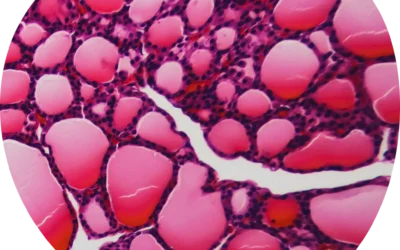
Diabetes mellitus
There are several types of diabetes; the most common are type 1, type 2, and gestational diabetes. Diabetes influences health in many ways and can reduce fertility when not carefully managed
Impact of diabetes on fertility
Diabetes can mess with the menstrual cycle and make it more difficult to conceive. It can cause oligomenorrhea (when there are 35 days or more between periods) and amenorrhea (absent periods for 6 months or more). Evidence shows that diabetes is linked to higher rates of primary ovarian insufficiency (when the egg reserve gets depleted before the age of 40 and menopause begins). In addition, diabetes is associated with obesity, being underweight, polycystic ovary syndrome (PCOS), endometrial cancer, diabetic complications, and autoimmune disorders, all of which can reduce fertility.
During pregnancy, uncontrolled diabetes can raise the risk of miscarriage, birth defects, stillbirth, and premature birth. It can also increase the chance that your baby is born with breathing problems or low blood sugar levels. But with proper management and a healthy lifestyle, many women with diabetes can conceive and have a successful pregnancy.
Potential causes of diabetes
Type 1 diabetes occurs when the body’s immune system mistakenly destroys pancreas cells producing insulin. Because of this, the body can’t make insulin.
Type 2 diabetes happens when the body doesn’t produce enough insulin or use it well. Many factors can increase the risk of developing type 2 diabetes, including:
- Family history of diabetes
- Being overweight (body mass index over 25)
- Not exercising
- Polycystic ovary syndrome (PCOS)
Gestational diabetes refers to diabetes that appears during pregnancy and usually goes away after giving birth. Women who had gestational diabetes in the past have a higher chance of getting type 2 diabetes later in life.
Symptoms of diabetes
Common signs of diabetes include:
- Irregular or absent periods
- Thirst
- Frequent urination
- Weight loss
- Fatigue
- Blurred vision
- Irritability
- Wounds that heal slowly
- Frequent infections (gum, skin, and vaginal)
Diagnosis of diabetes
Doctors use a variety of tests to diagnose type 1 and type 2 diabetes and prediabetes
- The hemoglobin A1c test shows your average blood sugar level over the past 2 to 3 months by measuring the percentage of blood sugar that is attached to hemoglobin (a protein in red blood cells responsible for transporting oxygen around the body). Higher-than-average levels signal prediabetes, and elevated levels on 2 separate tests point to diabetes.
- The random blood sugar test involves taking a blood sample at a random time (regardless of when you last ate). Elevated blood sugar levels lead to a diagnosis of diabetes.
- The fasting blood sugar test measures the blood sugar level after not eating for 8 to 10 hours. Higher-than-average levels signal prediabetes, and elevated levels on 2 separate tests lead to a diagnosis of diabetes.
- The oral glucose tolerance test, which is used to diagnose type 2 diabetes, measures the blood sugar level after fasting overnight. Then your blood sugar is tested again after you drink a sugary liquid. A blood sugar level that is above normal signifies prediabetes, and an elevated level means you have diabetes.
If your doctor believes you to have type 1 diabetes, they may perform a urine test to look for ketones and check your immune system for autoantibodies.
Treatment to improve fertility
Experts find that diabetes treatment to control blood sugar levels can regulate the menstrual cycle and significantly improve fertility. With proper management, you can have almost equal chances of getting pregnant as women who don’t have diabetes.
Diabetes is treated with insulin, diabetes medications, or both, depending on the type of diabetes you have. Metformin is the most commonly prescribed medicine to treat type 2 diabetes. Careful monitoring of your blood sugar levels, healthy eating, and frequent exercise are key to diabetes treatment.
You can work with a LEVY nutritionist to create a personalized meal plan to help you reach your health and reproductive goals. Eat plenty of nutritious foods rich in fiber and low in fat and calories, like fresh fruits and vegetables, lean proteins, and whole grains for a balanced diet.
Regular physical activity is vital for everyone, especially for people with type 2 diabetes. That’s because exercise lowers blood sugar levels and makes insulin more effective. A good rule of thumb is to get 30 minutes of movement on most days of the week. If you have type 1 diabetes, talk to your doctor about a safe exercise routine to manage blood sugar levels.
During pregnancy, you may need to work with your diabetes specialist to change your treatment plan and ensure that you meet your blood sugar goals because hormonal changes may change your glucose levels. You may need to alter your meal plan, exercise routine, or medication regimen. Additionally, not smoking and taking prenatal vitamins with folic acid can help keep you and your baby healthy.
By fully committing to your care plan and leading a healthy lifestyle, you can reduce your risk for diabetes-related severe health problems and significantly improve your chances of a successful pregnancy.
- Diabetes: Symptoms & causes. Mayo Clinic. Accessed 06 November 2022.
- Diabetes: Diagnosis & treatment. Mayo Clinic. Accessed 06 November 2022.
- What is Diabetes? National Institute of Diabetes and Digestive and Kidney Diseases. Accessed 06 November 2022.
- Infertility in Women. Diabetes.co.uk. Accessed 06 November 2022.
- Livshits A and Seidman DS: Fertility issues in women with diabetes. Women’s Health (Lond.) 2009;5(6):701-707.
- Diabetes. Centers for Disease Control and Prevention. Accessed 07 November 2022
- Pregnancy if You Have Diabetes. National Institute of Diabetes and Digestive and Kidney Diseases. Accessed 07 November 2022.

Hyperprolactinemia with suspected prolactinoma
Impact of hyperprolactinemia and prolactinoma on fertility
High prolactin can stop ovulation by preventing the release of gonadotropin hormones, including FSH (follicle stimulating hormone), the hormone in charge of maturing your eggs each menstrual cycle. Hyperprolactinemia can decrease levels of important sex hormones, including estrogen and testosterone. It can also affect progesterone and the luteal phase of your cycle.
Potential causes of hyperprolactinemia and prolactinoma
Medical experts are unsure what causes a prolactinoma to form. A rare genetic disorder called multiple endocrine neoplasia, type 1, can increase the risk of getting a prolactinoma.
Hyperprolactinemia can be due to the following:
- Underactive thyroid (hypothyroidism) – about half of all women with hyperprolactinemia have a thyroid disorder
- Kidney condition
- Medicines for depression, psychosis, and high blood pressure
- Certain herbs (e.g. fenugreek, fennel seeds, and red clover)
- Chest wall irritation (from scarring after surgery, shingles, or a bra that’s too tight)
- Excessive stress or exercise
- Lack of sleep
Symptoms of hyperprolactinemia and prolactinoma
These are potential symptoms of hyperprolactinemia in women:
- Irregular or missed periods (amenorrhea)
- Milky discharge from the nipples when not pregnant or breastfeeding
- Vaginal dryness and painful sex
- Infertility
- Weak, brittle bones
- Vision problems
- Headache
Diagnosis of hyperprolactinemia and prolactinoma
Hyperprolactinemia is diagnosed through a blood test that shows elevated prolactin levels. When prolactinoma is suspected, you will be referred to have an MRI scan of your brain. You should also see an eye doctor (ophthalmologist) to test if a prolactinoma is causing any vision problems. Finally, you may be referred to a specialist in hormonal disorders (endocrinologist) for further testing and treatment.
Treatment to improve fertility
Hyperprolactinemia and prolactinoma are usually treated with medication (dopamine agonists) which reduce the prolactin levels in the body and increase fertility. These drugs shrink a prolactinoma, get rid of symptoms, and restore the normal functioning of the ovaries.
Rarely, if medication isn’t successful, surgery or radiation therapy may be necessary to remove the prolactinoma.
If your high prolactin levels are due to another medication you’re currently taking, your doctor will recommend lowering your dose or changing your prescription. In case it’s because of hypothyroidism, you will receive treatment with medication that increases your levels of thyroid hormones.
As soon as your prolactin levels are in a healthy range, your menstrual cycle should return to normal, and fertility will be restored.
- Prolactinoma – Symptoms & causes. Mayo Clinic. Accessed 08 December 2022.
- Prolactinoma – Diagnosis & treatment. Mayo Clinic. Accessed 08 December 2022.
- Pituitary Gland. Cleveland Clinic. Accessed 08 December 2022.
- Hyperprolactinemia (High Prolactin Levels). ReproductiveFacts.org from the American Society for Reproductive Medicine. Accessed 07 July 2022.
- Kaiser UB, MD: Hyperprolactinemia and infertility: new insights. J Clin Invest. 2012;122(10):3467-3468.
- What is Hyperprolactinemia and How Can It Affect Getting Pregnant? What to expect. Accessed 07 July 2022.
- Crosignani PG: Management of hyperprolactinemic infertility. Middle East Fertility Society Journal. 2012;17(2):63-69.
- Domingue ME et al.: Outcome of prolactinoma after pregnancy and lactation: a study on 73 patients. Clin Endocrinol (Oxf). 2014;80(5):642-8.
- Patient education: High prolactin levels and prolactinomas (Beyond the Basics). UpToDate. Accessed 02 September 2022.

Impending Primary ovarian insufficiency (POI)
Impact of POI on fertility
In POI, there’s a decrease in estrogen and progesterone production in the ovaries. This causes infrequent ovulation or stops it altogether. You may have irregular periods or none at all – this is called amenorrhea. Without ovulation, it’s not possible to get pregnant because there is no egg available to be fertilized by sperm.
Research finds that women with POI have between a 5-10% chance of conceiving naturally without medical assistance. POI doesn’t increase the risk of pregnancy complications.
Potential causes of Primary ovarian insufficiency
In most cases (about 90%), it’s not clear what causes POI. But it can be due to the following things:
- Chromosome abnormalities (Fragile X syndrome and Turner syndrome)
- A low follicle count
- Autoimmune conditions (such as hyperparathyroidism or rheumatoid arthritis)
- Cancer treatments
- Metabolic disorders
- Toxins (cigarettes, chemicals, and pesticides)
- Pelvic surgery
- Diabetes mellitus
A family history of POI increases the chance of having it.
Symptoms
The first symptom of POI is irregular or missed menstrual periods. Low estrogen levels also cause menopause-like symptoms, such as:
- Hot flashes
- Night sweats
- Mood changes (irritability, depression, and anxiety)
- Trouble concentrating
- Sleeping problems
- Low sex drive
- Painful sex (dyspareunia)
- Vaginal dryness
- Infertility
Additionally, POI can increase the risk for osteoporosis (bone loss and fractures), heart disease, and thyroid problems.
Diagnosis
POI is diagnosed with blood tests for hormone levels. You may also have a chromosome analysis test and a pelvic ultrasound to check if your ovaries are enlarged or have multiple follicles.
Treatment to improve fertility
Unfortunately, as of right now, there isn’t a proven treatment method that can restore the normal function of the ovaries. But fertility treatments are available to help you conceive, and you should visit a fertility clinic right away to have the highest chance of getting pregnant.
In vitro fertilization (IVF) is an effective treatment option for women with POI. If you have enough eggs remaining in your ovaries, you can use your own eggs for IVF. But if your level of anti-Mullerian hormone (AMH) is undetectable (a marker of the egg reserve) and you have low estrogen, you will likely need to use donor eggs. Studies show high pregnancy and birth rates for women that use donor eggs – up to 60% success per embryo transfer. Note that egg donation is not available in all countries, including Germany.
If POI is due to a genetic disorder, such as Turner syndrome, it’s recommended to undergo genetic counseling. Because pregnancy can be very dangerous for women with this condition, research suggests using a surrogate.
There are also some experimental treatment techniques not yet widely used in clinics that you may consider discussing with your doctor:
- In vitro maturation (IVM): In this technique, immature eggs are retrieved (without taking medication to stimulate the ovaries) and matured in a petri dish. Then they are fertilized through intracytoplasmic sperm injection (ICSI). This is a method to preserve fertility for women undergoing cancer treatments and is suggested for women at risk of ovarian hyperstimulation syndrome.
- In vitro activation (IVA): This method involves surgically removing a part of ovarian tissue using laparoscopy and dividing it. Then the tissue is put back into the body and attached to the other ovary to activate the “sleeping” follicles inside the tissue. After recovery, you can take medication to stimulate the ovaries and proceed with IVF treatment.
Besides fertility treatments, women with POI are usually prescribed hormone therapy to aid with symptom relief and prevent osteoporosis. It is available in pill form, as a skin patch, and as a vaginal ring.
Eating a healthy, balanced diet and getting regular exercise are important preventive measures to decrease the risk of developing osteoporosis and heart disease. It’s also recommended to take at least 1,200 to 1,500mg of calcium and 1000 IU of vitamin D daily to promote bone health.
- Primary Ovarian Insufficiency. Endocrine Society. Accessed 14 December 2022.
- Primary Ovarian Insufficiency. Medline Plus. Accessed 14 December 2022.
- Sullivan SS, MD et al.: Hormone replacement therapy in young women with primary ovarian insufficiency and early menopause. Fertility and Sterility. 2016;106(7):1588-1599.
- Ben-Nagi J and Panay N: Premature ovarian insufficiency: how to improve reproductive outcome? Climacteric. 2014;17(3):242-246.
- What are the treatments for POI? Eunice Kennedy Shriver National Institute of Child Health and Human Development. Accessed 15 December 2022.
- Chae-Kim J and Gavrilova-Jordan L: Premature Ovarian Insufficiency: Procreative Management and Preventive Strategies. Biomedicines. 2019;7(1):2.
- Activation of ovaries – IVA(in vitro activation). Elite Klinik. Accessed 15 December 2022.

Hypergonadotropic hypogonadism (suspected POI)
Impact of hypergonadotropic hypogonadism on fertility
Hypergonadotropic hypogonadism can disrupt your menstrual cycle by interfering with egg maturation and ovulation and causing periods to stop (a condition called amenorrhea). Amenorrhea can either be primary (never getting a period) or secondary (periods stop for at least 3-6 months).
Women under 32 with primary ovarian insufficiency generally have the same chances of getting pregnant per cycle as other women their age with a normal egg reserve, but a smaller time frame to build their family. Once the egg reserve is used up and menopause begins, it’s no longer possible to get pregnant.
Potential causes of hypergonadotropic hypogonadism
Here’s what can cause hypergonadotropic hypogonadism:
- Chromosomal abnormalities (Turner syndrome)
- Defects in the enzymes involved in the synthesis of reproductive hormones
- Resistance to gonadotropin hormones due to mutations in the receptors
- Surgery on the reproductive organs
- Autoimmunity
- Cancer treatments
- Infections (such as sexually-transmitted diseases and mumps)
- Certain medications (antiandrogens, opioids)
- Primary ovarian insufficiency
Symptoms of hypergonadotropic hypogonadism
Hypergonadotropic hypogonadism can cause the following physical signs in women:
- Amenorrhea
- Late puberty
- Low sex drive
- Loss of body hair
- Hot flashes
- Infertility
Diagnosis of hypergonadotropic hypogonadism
Healthcare providers use several tests to diagnose hypergonadotropic hypogonadism. After assessing your symptoms and medical history, diagnostic tests may include:
- Physical examination
- Blood tests to check the levels of FSH, LH, estrogen, and AMH
- Genetic tests that look for chromosomal abnormalities
If your tests show low estrogen levels, you may be recommended to get a bone density scan (called a DEXA scan) to check your bone metabolism.
Treatment to improve fertility
Women with hypergonadotropic hypogonadism and suspected POI are recommended to visit a fertility clinic as soon as possible for treatment to have the best chances of getting pregnant. Hormone replacement therapy with estradiol and progesterone can restore balance to your reproductive hormones.
IVF is also a good option to help women with a depleted egg reserve conceive. You can take hormonal medication which stimulates the ovaries to mature and release eggs during ovulation. During IVF, several mature eggs are retrieved from the ovaries, placed in a petri dish together with sperm, and a fertilized egg gets implanted into the uterus. You can choose to freeze eggs or embryos for use in a later IVF cycle, in case you need to try again or want to have another baby later on. If there aren’t enough eggs left in the ovaries, you can also consider using donor eggs for IVF.
- Pasquale ED et al.: “Hypergonadotropic Ovarian Failure Associated with an Inherited Mutation of Human Bone Morphogenetic Protein-15 (BMP15) Gene.” Am J Hum Genet. 2004;75(1):106-111.
- Filatov M et al.: “Influence of gonadotropins on ovarian follicle growth and development in vivo and in vitro.” Zygote. 2017;25(3):235-243.
- Hypergonadotropic hypogonadism. Fertilitypedia.org. Accessed 18 Oct 2022.
- Franz M: Die sieben Stufen der Amenorrhö. Gynäkologie + Geburtshilfe. 2018;23(4):18-21.
- Hypergonadotropic Hypogonadism. Cancer Therapy Advisor. Accessed 12 December 2022.
- Hypogonadism. MedlinePlus. Accessed 02 January 2022.

Normogonadotropic hyperprolactinemic ovarian insufficiency
Impact on fertility
High prolactin levels interfere with the menstrual cycle and ovulation. You may have irregular cycles or no periods at all – this is known as amenorrhea. Without ovulation, it’s not possible to get pregnant because there is no egg available to be fertilized by sperm.
Potential causes
Hyperprolactinemia is commonly due to:
- Benign tumors on the pituitary gland (prolactinomas)
- Underactive thyroid (hypothyroidism) – about half of all women with hyperprolactinemia have a thyroid disorder
- Kidney condition
- Medicines for depression, psychosis, and high blood pressure
- Certain herbs, such as fenugreek, fennel seeds, and red clover
- Chest wall irritation (from scarring after surgery, shingles, or a bra that’s too tight)
- Excessive stress or exercise
- Lack of sleep
Symptoms of normogonadotropic hyperprolactinemic ovarian insufficiency
These are potential symptoms of hyperprolactinemia in women:
- Irregular or missed periods (amenorrhea)
- Milky discharge from the nipples when not pregnant or breastfeeding
- Vaginal dryness and painful sex
- Infertility
- Weak, brittle bones
- Vision problems
- Headache
Diagnosis of normogonadotropic hyperprolactinemic ovarian insufficiency
Doctors diagnose hyperprolactinemia based on a person’s symptoms, medical history, and a blood test that measures prolactin. Prolactin levels are sensitive to stress, sleep deprivation, exercise, and medication, so you may have a second test to confirm the high level and diagnose hyperprolactinemia.
If your blood tests show highly elevated prolactin and your doctor suspects you could have a prolactinoma, you may also receive an MRI scan of the brain. If you’re having problems with your vision, you will be referred to an eye doctor (ophthalmologist) for further testing and treatment.
Treatment to improve fertility
The good news is that hyperprolactinemia is just a temporary cause of infertility, and you can fix the hormonal imbalance through medication.
The first line of treatment is usually dopamine agonists. These reduce prolactin levels and get the ovaries working normally again so that you can ovulate regularly and get pregnant.
If medication is responsible for your high prolactin levels, you should change your medication or dose together with your doctor.
In case you have a prolactinoma, you can take medication that will shrink it. Rarely, surgery or radiation may be necessary. If testing reveals that you have hypothyroidism, that is also treated with medication.
Once your prolactin levels are back at a healthy level, you should be able to conceive.
- World Health Organization classification of anovulation. UpToDate. Accessed 14 December 2022.
- Hyperprolactinemia (High Prolactin Levels). ReproductiveFacts.org from the American Society for Reproductive Medicine. Accessed 07 July 2022.
- Kaiser UB, MD: Hyperprolactinemia and infertility: new insights. J Clin Invest. 2012;122(10):3467-3468.
- What is Hyperprolactinemia and How Can It Affect Getting Pregnant? What to expect. Accessed 07 July 2022.
- Crosignani PG: Management of hyperprolactinemic infertility. Middle East Fertility Society Journal. 2012;17(2):63-69.
- Prolactinoma. Mayo Clinic. Accessed 07 July 2022.
- Domingue ME et al.: Outcome of prolactinoma after pregnancy and lactation: a study on 73 patients. Clin Endocrinol (Oxf). 2014;80(5):642-8.
- Patient education: High prolactin levels and prolactinomas (Beyond the Basics). UpToDate. Accessed 02 September 2022.
- Hyperprolactinemia. Yale Medicine. Accessed 29 December 2022.

Hypogonadotropic hypogonadism
Impact on fertility
Hypogonadotropic hypogonadism prevents eggs from maturing in the ovaries. This leads to irregular or absent periods due to irregular ovulation. Without ovulation, there’s no egg available to be fertilized by sperm, and it’s not possible to get pregnant.
Symptoms
Physical signs of hypogonadotropic hypogonadism in adult women include:
- Missed periods (amenorrhea)
- Mood changes
- Weight gain
- Infertility
Potential causes
This condition can be due to the following:
- Severe stress or depression
- Competitive sports
- Anorexia
- Bulimia
- Hyperprolactinemia
- Genetic defects
- Opioid or steroid medication
- Rapid weight loss or gain
- Chronic health conditions (chronic inflammation or infection)
- Thyroid disease
- Drug use
- Excess iron
- Damage to the pituitary gland or hypothalamus from surgery, injury, tumor, infection, or radiation
- Sheehan’s syndrome (a rare condition involving injury to the pituitary)
Kallmann syndrome is a type of hypogonadotropic hypogonadism that is genetically inherited.
Diagnosis
Tests to diagnose hypogonadotropic hypogonadism include blood tests that measure your levels of FSH, LH, thyroid stimulating hormone (TSH), prolactin, testosterone, and estradiol, as well as a test to check how LH responds to GnRH.
If testing shows that you have a low estradiol level, it’s recommended to get a bone density scan (called a DEXA scan) to check your bone metabolism.
If your doctor suspects you have a tumor on the pituitary gland, they will recommend you have an MRI scan of the brain. You may also have genetic testing and a blood test of your iron level.
Treatment to improve fertility
To get the ovaries working normally and restore fertility, you can get injections of GnRH and hCG or take clomiphene. These medications help you ovulate again so that you can conceive. Research shows that this is successful at inducing ovulation in people with hypogonadotropic hypogonadism up to 80% of the time.
If the ovaries respond poorly to the medication, fertility treatment with assisted reproductive technology (ART) is an option to increase the chances of getting pregnant.
Beyond that, lifestyle modification measures such as stress reduction and weight gain if you are underweight can restore balance to your reproductive hormones and regulate the menstrual cycle.
- Hypogonadotropic Hypogonadism. Penn Medicine. Accessed 12 December 2022.
- Hypogonadotropic hypogonadism. MedlinePlus. Accessed 12 December 2022.
- Franz M: Die sieben Stufen der Amenorrhö. Gynäkologie + Geburtshilfe. 2018;23(4):18-21.
- Sheehan Syndrome. Cleveland Clinic. Accessed 12 December 2022.
- Albezrah NA: Hypogonadotropic hypogonadism: Can have multiple pregnancy and or ovarian hyperstimulation syndrome. Clin Obstet Gynecol Reprod Med. 2019;5(1-2).
- Master-Hunter T M.D. and Heiman D M.D.: Amenorrhea: Evaluation and Treatment. Am Fam Physician. 2006;73(8):1374-1382.

Polycystic ovary syndrome (PCOS)
PCOS causes an imbalance of the reproductive hormones FSH (follicle stimulating hormone) and LH (luteinizing hormone), which prevents eggs from maturing and getting released from the ovaries through ovulation. Instead they get stuck to the ovaries.
PCOS usually also causes the body to produce too many androgen hormones, which is another condition called hyperandrogenemia. Having an excess of these male sex hormones can make women experience hair loss or excess hair growth, a deeper voice, and increased muscle mass.
Impact of polycystic ovary syndrome on fertility
PCOS can interfere with the menstrual cycle and ovulation. If there’s no egg available to be fertilized by sperm, it’s not possible to get pregnant. PCOS is the leading cause of anovulatory infertility. However, it’s important to note that this condition is very diverse and impacts women differently, so not everyone with PCOS experiences difficulty conceiving.
Potential causes of polycystic ovary syndrome
Doctors are unsure why someone develops PCOS, but believe it could be caused by a mix of genetics, inflammation in the body, and environmental factors. It may also happen as a consequence of insulin resistance, which can develop as a result of eating an unhealthy, unbalanced diet and not being physically active.
Symptoms of polycystic ovary syndrome
PCOS can vary a lot from woman to woman and there are different levels of severity. Some may have no physical symptoms and don’t realize that they have PCOS, while others have them all.
The most common signs of PCOS include:
- Irregular cycles with long breaks in between periods or no menstrual bleeding at all (amenorrhea)
- Male pattern of hair growth (hirsutism)
- Hair loss
- Acne
- Weight gain
- Headaches
- Darkening of patches of skin
About half of women with PCOS are overweight and have insulin resistance, which is a precursor to type 2 diabetes. Obesity may act as a trigger for PCOS in some. But there are also plenty of women who are slim or almost underweight with PCOS.
Diagnosis of polycystic ovary syndrome
In order to be diagnosed with PCOS, you must have 2 of the following 3 criteria:
- Irregular menstrual cycle or no cycle at all (amenorrhea)
- Physical signs of Hyperandrogenemia or excess androgens found in a blood test
- Polycystic ovaries (shown on an ultrasound)
Treatment to improve fertility
While there’s currently no official cure for PCOS, many treatments are available to alleviate symptoms and help women conceive.
Women with PCOS are often prescribed the birth control pill to stabilize the menstrual cycle and reduce symptoms including hair loss, acne, etc. After stopping the pill, the cycle usually becomes irregular again and symptoms can return.
Research has found that for women who are overweight, losing 5 to 10% of their body weight helps regulate the cycle and lessen some PCOS symptoms. But if you’re not overweight, weight loss unfortunately won’t help manage symptoms.
Adopting a PCOS diet and minimizing processed sugars and saturated fats can reduce inflammation while improving symptoms and fertility. Check out our article on foods to help with PCOS to learn more. With expert nutritional coaching, many women are able to successfully conceive.
If you have insulin resistance, therapy with an insulin sensitizer called metformin can improve the body’s metabolization of sugar as well as cycle problems and other PCOS symptoms. Supplements such as myo-inositol can also help with insulin resistance and cycle irregularities.
Beyond that, there are medicinal plants scientifically proven to boost fertility. One well-known example is Agnus castus, AKA monk’s pepper. This plant directly impacts the pituitary gland, normalizing hormone production and stabilizing the cycle.
If necessary, medication is available to stimulate the ovaries to ovulate, such as letrozole and clomiphene. One study found that 80% of women with PCOS who took clomiphene ovulated successfully, and half got pregnant naturally within six cycles. If that’s unsuccessful, treatment with a low-dose of FSH is another option to make the ovaries release a mature egg with ovulation.
In cases where the ovaries don’t respond to hormonal medication, a minimally invasive surgical procedure called ovarian drilling can help lower testosterone. This can normalize the menstrual cycle and help the ovaries release an egg each month. Research shows that 70% of women who didn’t respond to hormonal medication were able to get pregnant within 6 months of the surgery. Because of the treatment’s success and reduced risk of multiple pregnancies (which can happen with medication to stimulate the ovaries), it may become the first choice for treatment in the future.
Finally, assisted reproduction treatments (IVF or ICSI) can help you conceive if other treatments don’t work.
- Ovarian Drilling for Infertility. ReproductiveFacts.org from the American Society for Reproductive Medicine. Accessed 05 September 2022.
- Teede HJ et al.: Recommendations from the international evidence-based guideline for the assessment and management of polycystic ovary syndrome. Fert Stert, ASRM Pages. 2018. 10;3:364-379.
- Mercorio A et al.: Ovarian Drilling: Back to the Future. Medicina. 2022. 58;1002.

Insulin resistance
Impact of insulin resistance on fertility
Insulin resistance can affect female fertility in many ways. It can reduce ovarian function, slow egg maturation, and cause infrequent ovulation due to imbalances of testosterone and estrogen. High blood sugar and insulin resistance can also lead to birth defects.
Potential causes of insulin resistance
Several factors may trigger insulin resistance or increase the risk of developing it, such as:
- Being overweight (particularly having excess weight around the stomach)
- Physical inactivity
- Diet high in processed, high-carb foods and saturated fats
- Family history of type 2 diabetes mellitus
- Certain medications (steroids, anti-psychotics, and HIV medications)
- High blood pressure and cholesterol
- Personal history of gestational diabetes, heart disease, or stroke
- Polycystic ovary syndrome (PCOS)
- Cushing’s syndrome
- Hypothyroidism (underactive thyroid)
- Genetic conditions
- Sleep apnea or sleep deprivation
- Smoking
Symptoms of insulin resistance
Insulin resistance normally doesn’t cause physical signs. But high blood sugar may have the following symptoms:
- Increased thirst and hunger
- Frequent urination
- Blurred vision
- Headache
- Tiredness
- Weight loss
- Recurrent vaginal and skin infections
- Wounds that heal slowly
Diagnosis of insulin resistance
To diagnose insulin resistance, healthcare providers take several factors into consideration. They will check your medical and family history, do a physical exam, and run some tests. One of these tests isthe fasting blood glucose test, which measures your blood sugar level after not eating or drinking anything for 8-10 hours. The A1c test is another diagnostic test that measures your average level of blood glucose across the previous 3 months.
Treatment to improve fertility
The good news is that you can greatly improve insulin sensitivity and fertility while preventing prediabetes and type 2 diabetes by making some key lifestyle changes. Research shows that when overweight people lose 10% of body weight through regular exercise and eating a healthy diet, insulin sensitivity can improve by over 70%.
When it comes to nutrition, aim to incorporate more plant-based foods into your meals, as these can improve insulin sensitivity, and less meat, which increases insulin resistance and raises the risk of gestational diabetes. For more nutritional advice, check out our articles on fertility foods for women and dietary tips for PCOS, and book a consultation with a LEVY nutritionist. You may also want to check your blood sugar after eating to learn how specific foods affect your glucose levels.
A doctor may also prescribe metformin, a diabetes medication, to improve insulin sensitivity and prevent diabetes. Metformin can help women with PCOS and insulin resistance ovulate and reduce the risk of miscarriage.
- American Diabetes Association Professional Practice Committee. Classification and Diagnosis of Diabetes: Standards of Medical Care in Diabetes–2022. Diabetes Care. 2022;45(Suppl. 1):S17-S38.
- Diabetes Prevention Program Research Group: Long-term effects of lifestyle intervention or metformin on diabetes development and microvascular complications over 15-year follow-up: the Diabetes Prevention Program Outcomes Study. Lancet Diabetes Endocrinol. 2015;3(11):866-875.
- Insulin Resistance & Prediabetes. National Institute of Diabetes and Digestive and Kidney Diseases. Accessed 09 November 2022.
- Shapiro A et al.: Screening for pre-diabetes in infertile women: how predictive is hemoglobin A1c? Fert Stert. 2017;108(3):E211.
- Insulin Resistance and How It Can Affect Fertility. IVF1. Accessed 10 November 2022.
- Al-Biate MAS: Effect of metformin on early pregnancy loss in women with polycystic ovary syndrome. Taiwan J Obstet Gynecol. 2015;54(3):266-9.
- Metformin lowers rate of late miscarriage, preterm birth in pregnant women with PCOS. Endocrine Society. Accessed 10 November 2022.
- Johnson NP: Metformin use in women with polycystic ovary syndrome. Ann Transl Med. 2014;2(6):56.
- Insulin Resistance and Diabetes. Centers for Disease Control and Prevention. Accessed 10 November 2022.
- Bouchonville M, MD et al: Weight Loss, Exercise, or Both and Cardiometabolic Risk Factors in Obese Older Adults: Results of a Randomized Controlled Trial. Int J Obes (Lond). 2014;38(3):423-431.
- What to Know About Insulin Resistance. EndocrineWeb. Accessed 14 November 2022.
- Pearson E et al.: Waist circumference: A predictive tool for insulin resistance. Journal of Diabetes Nursing. 2005;9(10).
- Niu Z et al.: Associations Between Insulin Resistance, Free Fatty Acids, and Oocyte Quality in Polycystic Ovary Syndrome During In Vitro Fertilization. J Clin Endocrinol Metab. 2014;99(11):E2269-E2276.
- The Link Between Infertility and Insulin Resistance. EndocrineWeb. Accessed 14 November 2022.
- PCOS (Polycystic Ovary Syndrome) and Diabetes. Centers for Disease Control and Prevention. Accessed 14 November 2022.
- Deswal R et al.: The Prevalence of Polycystic Ovary Syndrome: A Brief Systematic Review. J Hum Reprod Sci. 2020;13(4):261-271.
- Marshall JC, MD, Ph.D. and Dunaif A, MD: All Women With PCOS Should Be Treated For Insulin Resistance. Fertil Steril. 2012;97(1):18-22.
- Weiss G, MD et al.: Inflammation in Reproductive Disorders. Reprod Sci. 2009;16(2):216-229.
- Testosterone – What It Does and Doesn’t Do. Harvard Medical School. Accessed 15 November 2022.
- What is insulin resistance? A Mayo Clinic expert explains. Mayo Clinic. Accessed 14 November 2022.
- Adeva-Andany MM et al.: Effect of diet composition on insulin sensitivity in humans. Clin Nutr ESPEN. 2019;33:29-38.
- Eating for Insulin Resistance. EndocrineWeb. Accessed 15 November 2022.Insulin Resistance. Cleveland Clinic. Accessed 16 November 2022.

Toxoplasmosis and pregnancy
Impact of toxoplasmosis on pregnancy
The likelihood of getting infected with toxoplasmosis while pregnant is very small. Even if you are infected during pregnancy, this doesn’t necessarily mean that it will spread to your baby and cause problems – and in most cases, it doesn’t.
However, there is a chance that becoming infected with toxoplasmosis a few months before conceiving or during pregnancy can lead to miscarriage, stillbirth, newborn death, and birth defects. Babies with toxoplasmosis may develop health problems later on in life, including vision and hearing problems, seizures, learning difficulties, and delayed growth.
How toxoplasmosis spreads
The majority of toxoplasmosis cases comes from eating contaminated food. It’s possible to catch toxoplasmosis by:
- Eating raw or undercooked meat (with traces of pink or blood)
- Eating cured meats (salami or Parma ham)
- Drinking or eating products with unpasteurized goats’ milk
- Touching pregnant sheep or lambs
- Eating food containing cat poo or contaminated soil
- Touching contaminated cat poo and then handling your food
Pregnant women who work in farming or catering may be at higher risk of becoming infected. Having a weakened immune system, like following an organ transplant, cancer treatment, or if you have HIV, can also increase the risk of infection.
Toxoplasmosis doesn’t spread through person-to-person contact, but it can spread from mother to baby via the placenta.
Symptoms of toxoplasmosis
Most of the time, toxoplasmosis doesn’t cause symptoms, so most people don’t realize they have it or have had it in the past. However, some physical signs can include:
- Fever
- Muscle aches
- Tiredness
- A general feeling of sickness
- Sore throat
- Swollen glands
Diagnosis of toxoplasmosis
Healthcare providers diagnose toxoplasmosis using a blood test that detects antibodies to the infection. It can take as long as 3 weeks following infection with toxoplasmosis for antibodies to appear in the blood. The type and levels of antibodies can determine when the infection happened.
If the tests confirm a toxoplasmosis infection during or just before pregnancy, you may have additional tests done to figure out the risk of passing it on to your baby. Tests called amniocentesis and cordocentesis can also show if the baby is infected, but these carry a small risk of miscarriage.
Treatment to improve pregnancy outcomes
If you are currently infected with toxoplasmosis or caught it recently, experts recommend waiting 6 months before getting pregnant to protect your baby’s health.
There are some things you can do to reduce your chance of becoming infected with toxoplasmosis, such as:
- Always wash your hands before cooking and eating
- Wash cooking tools thoroughly after handling raw meat
- Don’t eat raw or undercooked oysters, mussels, or clams
- Peel or wash fruit and vegetables before eating
- Cook meat all the way through (you can check if it’s done with a meat thermometer)
- Wear gloves while gardening
If you have a cat, don’t worry, you can’t catch toxoplasmosis by petting your pet. If possible, it’s best to ask someone else in your household to change the litter box daily. In case you need to handle the litter box yourself, wear disposable gloves and wash your hands afterward.
If a blood test shows that you have a current or recent infection and you are pregnant, treatment with antibiotics can reduce the chance of infecting your baby. It’s safe to breastfeed your baby if you caught toxoplasmosis during pregnancy.
After giving birth, your baby will have tests to see if they were infected and check for any related complications. Treatment with antibiotics can help reduce the chance of your baby developing health problems due to toxoplasmosis.
- What are the risks of toxoplasmosis during pregnancy? NHS. Accessed 09 January 2023.
- Toxoplasmosis in pregnancy. Tommy’s. Accessed 09 January 2023.
- Toxoplasmosis: Pregnancy FAQs. Centers for Disease Control and Prevention. Accessed 09 January 2023.
Excess vitamin B12 and pregnancy
Impact of excess vitamin B12 on pregnancy
Very high levels of vitamin B12 during pregnancy can almost triple the risk that the child develops autism spectrum disorder. In pregnant women who have both excess vitamin B12 and excess folate, the risk for autism increases 17.6 times.
Autism is a developmental disability that affects a person’s social skills, nonverbal communication, and behavior. Signs of autism usually become apparent around age 2 or 3, but in some cases, it can be diagnosed at 18 months. Asperger syndrome is a form of autism.
Potential causes of excess vitamin B12
Excess vitamin B12 is generally due to taking high-dose supplements. It may happen following treatment with injectable vitamin B12 for a deficiency or vitamin B12 deficiency anemia. Eating a lot of meat can also raise your vitamin B12 levels.
High vitamin B12 is also found in people with the following health conditions:
- Blood disorders (leukemia, polycythemia vera, and hypereosinophilic syndrome)
- Liver disease
- Diabetes
- Kidney failure
Symptoms of excess vitamin B12
High doses of vitamin B12 may cause the following symptoms:
- Headache
- Nausea
- Vomiting
- Diarrhea
- Fatigue
- Tingling in the hands and feet
Diagnosis of excess vitamin B12
You can find out your vitamin B12 status through a blood test. Because excess vitamin B12 can be a sign of other health conditions, you may have additional lab tests done.
Treatment
To reduce your vitamin B12 intake and get to a safe level for pregnancy, you can adjust your diet. Animal products, including fish, shellfish, meat, poultry, eggs, and dairy are high in vitamin B12, so you can switch to more plant-based foods. Some breakfast cereals are fortified with this vitamin, so check the nutritional label before buying. Additionally, you should stop taking vitamin B12 supplements.
You can work together with a LEVY nutritionist to come up with a personalized meal plan and ensure you are getting all the right amounts of the necessary vitamins to boost your fertility and protect your baby’s health.
If your doctor finds that you have an underlying health condition linked to your high vitamin B12 level, you will have treatment to manage the condition. For instance, diabetes is treated with insulin and/or diabetes medications like metformin, along with lifestyle changes, which help to control blood sugar levels and significantly improve fertility.
- Ermens A A M et al.: Significance of elevated cobalamin (vitamin B12) levels in blood. Clin Biochem. 2003;36(8):585-590.
- Vitamin B-12. Mayo Clinic. Accessed 11 January 2023.
- Vitamin B12. National Institutes of Health – Office of Dietary Supplements. Accessed 11 January 2023.
- Vitamin B12. MedlinePlus. Accessed 12 January 2023.
- Raghaven R et al.: Maternal Multivitami Intake, Plasma Folate and Vitamin B12 Levels and Autism Spectrum Disorder Risk in Offspring. Paediatr Perinat Epidemiol. 2018;32(1):100-111.
- Morales-Gutierrez J et al.: Toxicity induced by multiple high doses of vitamin B12 during pernicious anemia treatment: a case report. Clin Toxicol (Phila). 2020;58(2):129-131.
- Too Much Folate in Pregnant Women Increases Risk for Autism, Study Suggests. Johns Hopkins Bloomberg School of Public Health. Accessed 12 January 2023.
- What Is Autism? Autism Speaks. Accessed 12 January 2023.
- What Is a Vitamin B-12 Test? Healthline. Accessed 12 January 2023.
- What is the purpose of a vitamin B-12 level test? Medical News Today. Accessed 12 January 2023.
Cytomegalovirus (CMV) and pregnancy
Impact of cytomegalovirus on pregnancy
CMV is the most common infection passed between a pregnant mother and her baby. If you were infected with CMV before getting pregnant, there is about a 1% chance of passing it to your baby. Women who get infected with CMV during pregnancy have around a 33% chance of passing it to the baby.
CMV can cause problems for a pregnancy and a baby, including pregnancy loss. If a baby becomes infected with CMV while still in the womb (congenital CMV), they may have a premature birth, low birth weight, and other health problems that are apparent at birth, including yellow skin and eyes (jaundice), enlarged liver or spleen, rash, abnormally small head, seizures, and pneumonia.
Some babies with congenital CMV look healthy at birth but may develop long-term health problems later on (months or years later). These can include hearing loss, vision loss, seizures, and intellectual disabilities. But the good news is that most babies born with CMV don’t have health problems – only 1 in 5 babies with congenital CMV experience issues.
How cytomegalovirus spreads
CMV spreads through direct contact with the bodily fluids of an infected person, such as during sex or when changing a baby’s diaper. Pregnant women who become infected with CMV can pass it along to their babies through the placenta or during labor or birth. It can also spread via breastfeeding.
Symptoms of cytomegalovirus
Most people who become infected with CMV experience no symptoms and don’t know that they have CMV. Signs of CMV differ between healthy adults, babies, and those with weakened immune systems.
For healthy adults, the symptoms of CMV include:
- Fever
- Fatigue
- Sore throat
- Muscle aches
- Chills or sweats
- Decreased appetite
- Swollen glands
Sometimes, CMV can lead to mononucleosis (also called mono) or hepatitis (inflammation of the liver).
CMV infection can be serious or fatal for people with a weakened immune system, particularly those who have gotten an organ, stem cell, or bone marrow transplant.
Diagnosis of cytomegalovirus
Healthcare providers diagnose CMV with a blood test. This test can tell you if you have a new infection or were infected with CMV in the past.
If blood test results reveal a new CMV infection during your pregnancy, your doctor may recommend tests for your baby to see if they have been infected as well. You may be offered amniocentesis, a test that checks for birth defects and genetic conditions by taking a sample of amniotic fluid surrounding your baby. This test carries a small risk of complications, including miscarriage and uterine infection. An ultrasound can look for physical signs of CMV in your baby. After birth, your doctor can test your baby’s saliva, urine, or blood for CMV.
Treatment of cytomegalovirus
Researchers are working on developing a vaccine for CMV, but there’s no vaccine currently available. To protect yourself from becoming infected with CMV during pregnancy, here are some tips you can follow:
- Wash your hands frequently, particularly after coming into contact with bodily fluids from babies or children (including tears, saliva, urine, and poo)
- Wear a condom during sex if your partner has CMV
- Clean any toys and countertops often
- Most healthy adults don’t need treatment after becoming infected with CMV, including during pregnancy. People with weakened immune systems may need to be treated using an antiviral medication to help them clear the infection.
- Babies who exhibit symptoms of CMV at birth might also be treated using antiviral medicine, which can reduce the chance of developing health problems and hearing loss. It’s not recommended to treat babies with antiviral medication who don’t have symptoms of CMV. Babies who test positive for congenital CMV should also have regular hearing checkups and additional health screenings to catch any problems early and begin treatment.
- Cytomegalovirus (CMV) infection. Mayo Clinic. Accessed 10 January 2023.
- Cytomegalovirus and pregnancy. March of Dimes. Accessed 10 January 2023.
- Amniocentesis. March of Dimes. Accessed 11 January 2023.
- About Cytomegalovirus (CMV). Centers for Disease Control and Prevention. Accessed 11 January 2023.

Excess folic acid and pregnancy
Impact of excess folic acid on pregnancy
Research shows that excess folic acid during pregnancy is linked to impaired growth of the baby in the womb and a higher chance that the baby will develop insulin resistance, diabetes, asthma, and obesity later in life. Taking over 1,000 micrograms of folic acid in the months before and after conception may also slow brain development in children, one study shows.
Having extremely high levels of folic acid during pregnancy can also increase the child’s risk of developing autism. Excess folic acid combined with excess vitamin B12 increases this risk by 17.6 times.
Potential causes of excess folic acid
Excess folic acid comes from taking too many supplements with a very high dose of this vitamin and too many folic acid-fortified foods. It doesn’t happen when you eat foods that are naturally rich in folate. Genetics may also predispose somebody to absorb more folate from foods or metabolize it at a slower rate, which could lead to excess folic acid in the body.
Symptoms of excess folic acid
Taking a folic acid supplement dose of over 1,000 micrograms per day can cause the following side effects:
- Upset stomach
- Nausea
- Diarrhea
- Irritability
- Confusion
- Skin reactions
- Seizures
Excess folic acid may also increase the risk for serious health problems, including cancer and heart attack (in people already at a higher risk of heart disease).
Taking large amounts of folic acid supplements can also conceal a vitamin B12 deficiency and worsen symptoms of the deficiency.
Diagnosis of excess folic acid
You can check your folic acid status with a blood test. Tell your doctor about any medications you are taking before the test, as some drugs can interfere with the results. If your test shows that you have very high amounts of folic acid in the blood, you will be diagnosed with excess folic acid.
Treatment
Work with your doctor to choose a prenatal supplement that’s right for your body to ensure that you have safe levels of folic acid before you conceive. Some women are recommended to take higher doses of folic acid supplements if they are at risk of having a pregnancy affected by neural tube defects.
To decrease your folic acid intake, you should also check nutritional labels on foods you buy, as folic acid is added to many foods (cereals, flour, bread, pasta, baked goods, and crackers). Choose options that don’t have the vitamin added to them. Focus instead on getting your fill of folate from foods where it is found naturally.
Folate-rich foods include:
- Spinach
- Brussels sprouts
- Broccoli
- Asparagus
- Beans
- Peanuts
- Sunflower seeds
- Seafood
- Eggs
- Whole grains
You can meet with a LEVY nutritionist to create a personalized meal plan to make sure you meet your specific dietary needs to boost your fertility and chances of a healthy pregnancy and baby.
- Folate – Fact Sheet for Consumers. U.S. Department of Health & Human Services – National Institutes of Health; Office of Dietary Supplements. Accessed 12 January 2023.
- Folate (folic acid). Mayo Clinic. Accessed 12 January 2023.
- Selhub J and Rosenberg IH: Excessive folic acid intake and relation to adverse health outcome. Biochimie. 2016;126:71-78.
- Smith AD et al.: Is folic acid good for everyone? Am J Clin Nutr. 2008;87(3):517-33.
- Valera-Gran D et al.: Effect of maternal high dosages of folic acid supplements on neurocognitive development in children at 4-5 y of age: the prospective birth cohort Infancia y Medio Ambiente (INMA) study. Am J Clin Nutr. 2017;106(3):878-887.
- Too Much Folate in Pregnant Women Increases Risk for Autism, Study Suggests. Johns Hopkins Bloomberg School of Public Health. Accessed 12 January 2023.
- 4 Potential Side Effects of Too Much Folic Acid. Healthline. Accessed 12 January 2023.
- Keating E et al.: Excess perigestational folic acid exposure induces metabolic dysfunction in post-natal life. Journal of Endocrinology. 2015;224(3):245-259.
- Taking too much folic acid while pregnant may put daughters at risk of diabetes and obesity. Science Daily. Accessed 12 January 2023.
- Harlan De Crescenzo A et al.: Deficient or Excess Folic Acid Supply During Pregnancy Alter Cortical Neurodevelopment in Mouse Offspring. Cerebral Cortex. 2021;31(1):635-649.
- Folic Acid – Uses, Side Effects, and More. WebMD. Accessed 12 January 2023.
- Xu X et al.: Association of folate intake with cardiovascular-disease mortality and all-cause mortality among people at high risk of cardiovascular-disease. Clinical Nutrition. 2022;41(1):246-254.
- Folic acid. U.S. Department of Health & Human Services – Office on Women’s Health. Accessed 12 January 2023.
- Folic acid – test. University of California San Francisco Health. Accessed 12 January 2023.
- Lamers Y et al.: Periconceptional intake of folic acid among low-risk women in Canada: summary of a workshop aiming to align prenatal folic acid supplement composition with current expert guidelines. The American Journal of Clinical Nutrition. 2018;108(6):1357-1368.
- Folate (Folic Acid) – Vitamin B9. Harvard T.H. Chan School of Public Health. Accessed 12 January 2023.
Parvovirus B19 and pregnancy
Impact of parvovirus B19 on pregnancy
In most cases, pregnant women who become infected with parvovirus B19 have normal pregnancies and only a mild illness.
Rarely, parvovirus can lead to pregnancy loss and severe fetal anemia (but these complications happen less than 5% of the time). It may also cause birth defects that affect the central nervous system, craniofacial malformations (when the skull or facial bones fuse together abnormally), and eye problems. Finally, parvovirus infection in pregnancy is associated with hydrops fetalis (life-threatening swelling in the unborn or newborn baby).
There is a higher risk that parvovirus B19 can harm the baby if pregnant mothers get infected in the first half of pregnancy.
How parvovirus B19 spreads
Parvovirus B19 spreads just like a cold – by coming into close contact with an infected person, like when they cough or sneeze, or having hand contact. It can also spread through blood.
A pregnant mother infected with the virus can pass it on to her baby via the placenta. The virus only affects humans and thus doesn’t spread through contact with animals. Infection is most common among elementary school-age children in the winter and spring. After a parvovirus infection, you get lifelong immunity.
Symptoms of parvovirus B19
Common symptoms of parvovirus B19 infection include:
- Fever
- Headache
- A general feeling of illness
- Muscle or joint pain
- Nausea
- Runny nose
The above symptoms typically appear 5-7 days after infection and only last for 2-3 days. People with thrombocytopenia (low platelet count in the blood) may also experience bruising.
A few days later, a bright red rash appears on the cheeks, hands, or feet (usually, children develop the rash, not adults). By the time the rash appears, the virus is no longer contagious. About 20% of people who get infected with parvovirus B19 have no symptoms at all.
Parvovirus B19 can cause serious complications for people with anemia (when the body doesn’t have enough healthy red blood cells) and can also lead to severe anemia. It is also more dangerous for people with weakened immune systems, such as those with HIV or who have had a recent cancer treatments or organ transplant.
Diagnosis of parvovirus B19
Parvovirus B19 infection is diagnosed via a blood test, which can show if you are immune to the virus, are not immune and have never been infected, or if you have had a recent infection.
Treatment to improve pregnancy outcomes
There is currently no vaccine to prevent becoming infected with this virus. But there are some things you can do to reduce the chance of infection if you are not immune to parvovirus B19:
- Wash your hands frequently
- Avoid close contact with sick people
- Don’t touch your eyes, nose, or mouth without washing your hands first
If, during pregnancy, you think you may have been exposed to parvovirus B19, get in touch with your healthcare provider as soon as possible. If a test shows that you have been infected, your doctor may recommend that you have more frequent checkups, blood tests, and ultrasounds to check on your baby’s health.
In babies with hydrops or anemia, treatment with an intrauterine transfusion (supplying the baby with blood through the umbilical cord) significantly increases the chance that the baby survives the infection.
To manage symptoms like fever, headache, or bodily aches, it’s safe to take acetaminophen (Paracetamol) during pregnancy. People who develop severe anemia due to the infection may need to stay in the hospital and get blood transfusions. If you have a weakened immune system, you may receive treatment with antibodies (immune globulin injections).
- Giorgio E et al.: Parvovirus B19 during pregnancy: a review. J Prenat Med. 2010;4(4):63-66.
- Pregnancy and Fifth Disease. Centers for Disease Control and Prevention. Accessed 10 January 2023.
- Parvovirus B19 Infection and Clinical Presentation. Medscape. Accessed 10 January 2023.
- Parvovirus B19 Exposure in Pregnancy. Vanderbilt University Medical Center. Accessed 10 January 2023.
- Hydrops Fetalis. Stanford Medicine Children’s Health. Accessed 10 January 2023.
- Ornoy A and Ergaz Z: Parvovirus B19 infection during pregnancy and risks to the fetus. Birth Defects Research. 2017;109(5):311-323.
- About Parvovirus B19. Centers for Disease Control and Prevention. Accessed 10 January 2023.
- Acetaminophen is still safe in pregnancy, despite controversy. UT Southwestern Medical Center. Accessed 10 January 2023.
- Parvovirus infection – Diagnosis & treatment. Mayo Clinic. Accessed 10 January 2023.
- Parvovirus infection – Symptoms & causes. Mayo Clinic. Accessed 10 January 2023.
- Parvovirus B19 Infection Treatment & Management. Medscape. Accessed 10 January 2023.

Thrombocytosis
Impact of thrombocytosis on fertility
Excess platelets can lead to thrombosis (blood clots) and abnormal bleeding. These can cause fertility problems and increase the risk of complications during pregnancy, including miscarriage, stillbirth, premature delivery, and newborn death. These problems can happen due to an interruption in the blood flow between the placenta and the baby. Thrombocytosis is a potential cause of recurrent miscarriage – having 3 or more miscarriages in a row.
Potential causes of thrombocytosis
There are 2 types of thrombocytosis, and each type has different causes.
Essential thrombocythemia (also known as primary thrombocytosis) is a rare blood disorder that causes the bone marrow to produce excess platelets. This happens due to a genetic mutation that changes platelet production.
Reactive thrombocytosis (also known as secondary thrombocytosis) is the second form of this condition. It is caused by the following things, among others:
- Iron deficiency
- Blood loss
- Cancer
- Infections
- Hemolytic anemia
- Inflammatory health conditions (such as rheumatoid arthritis or inflammatory bowel disease)
- Injury
- Kidney failure
- Certain medications
- Surgery (particularly on the abdomen or removal of the spleen)
- Treatment of a vitamin B12 deficiency
Symptoms of thrombocytosis
Many people with thrombocytosis don’t experience symptoms. But watch out for these symptoms of a blood clot:
- Headache and migraine
- Weakness or dizziness
- Speech changes
- Shortness of breath
- Nausea
- Chest pain
In serious cases, having excess platelets can cause blood clots in the abdomen and increase the chance of having a heart attack or stroke. Smoking, diabetes, and high blood pressure can increase the risk of blood clots.
Symptoms of abnormal bleeding associated with thrombocytosis include:
- Easy bruising
- Blood in stool
- Nose, mouth, or gum bleeding
Diagnosis of thrombocytosis
Doctors diagnose thrombocytosis based on the results of a complete blood count (CBC), which includes a count of your platelets. You will likely have additional tests to find the underlying cause of your high platelet count.
In case your doctor can’t find what is causing thrombocytosis, they will perform diagnostic tests to check for essential thrombocythemia, including:
- A peripheral blood smear to look for abnormalities in platelets.
- Genetic tests to detect mutations.
- A biopsy of your bone marrow to check for unusual cells.
Treatment to improve fertility
You should bring your platelet count to a healthy level before conceiving to raise your chances of a healthy pregnancy. Your treatment plan will depend on if you have essential thrombocythemia or reactive thrombocytosis.
The treatment for women with essential thrombocythemia usually includes aspirin and/or interferon-alpha to normalize the platelet count. Speak with your doctor about the best course of action for you. For women with reactive thrombocytosis, the treatment should be directed at what is causing the high platelet count. Iron supplementation may restore balance to platelet levels in women with inflammatory bowel disease and iron deficiency. Aspirin may be prescribed to women with very high platelet counts to reduce the risk of stroke and thrombosis.
During pregnancy, treatment with anticoagulant medication (blood thinners) such as aspirin may help prevent blood clots and improve the chances of a successful pregnancy.
Getting regular checkups during pregnancy can also help reduce the risk of complications. Women with thrombocytosis are recommended to have close monitoring by a hematologist (specialist in blood disorders) and gynecologist.
If necessary, intrauterine insemination with minimal hormonal stimulation is recommended for women with this condition.
- Thrombocytosis. Cleveland Clinic. Accessed 07 January 2023.
- Thrombocytosis – Symptoms & causes. Mayo Clinic. Accessed 07 January 2023.
- Thrombocythemia and Thrombocytosis. National Heart, Lung, and Blood Institute. Accessed 07 January 2023.
- Griesshammer M, Bergmann L, et al.: Fertility, pregnancy and the management of myeloproliferative disorders. Baillieres Clin Haematol. 1998;11(4):859-874.
- Danijela L, Mirjana G, et al.: First successful pregnancy outcome after intrauterine insemination in a woman with primary infertility and essential thrombocythemia treated with interferon-alpha and aspirin. Journal of the Serbian Medical Society. 2015;143(3-4):210-213.
- Yagmur E et al.: High Prevalence of Sticky Platelet Syndrome in Patients with Infertility and Pregnancy Loss. J Clin Med. 2019;8(9):1328.
- Anticoagulation therapy for serious blood clots during pregnancy. Cochrane. Accessed 09 January 2023.
- Heparin Does Not Reduce Pregnancy Complications, and May Create Some. Scientific American. Accessed 09 January 2023.
- Secondary Thrombocytosis Treatment & Management. Medscape. Accessed 09 January 2023.

Dyspareunia
Impacts of dyspareunia on fertility
When sex is painful, it may make you want to avoid it around ovulation. It may also lead to problems with a male partner’s sexual performance as he doesn’t want to hurt you. Infections and gynecological conditions including pelvic inflammatory disease, endometriosis, and scarring on the reproductive organs, as well as diabetes and thyroid problems, can also lead to painful sex while reducing fertility.
Potential causes of dyspareunia
Many things can cause pain during sex. Superficial dyspareunia is pain in the vulva, the area around the vaginal opening, the skin inside your vagina, or in the area between your vagina and anus. It can be due to:
- Lack of desire or arousal which results in low lubrication
- Low estrogen levels
- Inflammation or infection in the genital area or urinary tract
- Skin irritation due to an allergic reaction to a substance (e.g. perfumed soap or lubricants)
- Vulvodynia (a pain disorder that affects the vulva)
- Vaginismus (involuntary muscle contractions and spasms at the opening of the vagina)
- Certain medications (e.g. antidepressants, high blood pressure meds, sedatives, antihistamines)
- Injury or irritation from an accident or surgery
- Structural abnormalities present at birth such as vaginal agenesis (not having a fully formed vagina) or a membrane that blocks the opening to the vagina (imperforate hymen)
Deep dyspareunia is pain in the pelvic area, uterus, bladder, lower back, or the front of the thighs. It has the following causes:
- Endometriosis (a condition where uterine tissue grows outside the uterus)
- Pelvic inflammatory disease (an infection of the reproductive organs often caused by STDs like chlamydia and gonorrhea).
- Uterine prolapse or retroverted uterus
- Uterine fibroids (non-cancerous growths on the uterus)
- Ovarian cysts
- Scarring on the reproductive organs
- Irritable bowel syndrome
- Pelvic floor dysfunction
- Hemorrhoids (swollen veins in the anus and rectum)
- Adenomyosis (a condition where tissue that normally lines the uterus grows into the uterine wall)
- Cystitis (bladder inflammation)
Chronic conditions including diabetes, thyroid disease, and arthritis as well as cancer treatments can also lead to pain during sex.
Symptoms of dyspareunia
Superficial dyspareunia is an instant pain at the vaginal opening that usually stops after sex.
Deep dyspareunia is a sharp or dull pain deep in the pelvis that starts during sex and may continue for several minutes or even hours after you stop having sex.
Diagnosis of dyspareunia
In order to find what’s causing you to experience pain during sex, you should have an open and in-depth conversation with your healthcare provider about where exactly you feel the pain, how it feels, when it started, and if you feel it in all positions. Be sure to mention any prior surgeries you’ve had in the pelvic area.
Then you can get a pelvic exam where your OB-GYN will check to see if you have any skin irritation, infection, or structural problems. You may also have an ultrasound of your pelvic area so that your doctor can take a look at your reproductive organs
Treatment to improve fertility
There are many ways to treat dyspareunia so that you can enjoy sex again. First it’s important to figure out what is causing the pain so you can start targeted treatment. This could involve medication, a minimally invasive procedure (such as laparoscopy), or a surgical operation.
There are also medications to increase vaginal lubrication (Ospemifene) and relieve pain during sex (Intrarosa).
You may also want to explore mind-body therapeutic techniques to lessen pain and any negative emotions that have built up around sex due to dyspareunia. If it has put a strain on your relationship, you may consider doing psychological counseling or sex therapy.
In addition, Kegel exercises strengthen and relax the pelvic floor muscles, improve circulation to the area, and decrease pain during sex and pelvic exams.
Getting into a relaxed state, like by taking a warm bath and using aromatherapy beforehand, can be helpful for reducing pain and anxiety surrounding sex too.
- When Sex Is Painful. The American College of Obstetricians and Gynecologists. Accessed 27 Oct 2022.
- Sexual Dysfunction and Infertility. Reproductive Science Center of New Jersey. Accessed 27 Oct 2022.
- Diabetes and Sexual Problems In Women. Diabetes UK. Accessed 27 Oct 2022.
- Painful intercourse (dyspareunia). Mayo Clinic. Accessed 27 Oct 2022.
- Dyspareunia. Patient. Accessed 27 Oct 2022.
- Uterine Fibroids. Mayo Clinic. Accessed 27 Oct 2022.
- Pelvic Floor Muscle (Kegel) Exercises for Women to Improve Sexual Health. Memorial Sloan Kettering Cancer Center. Accessed 27 Oct 2022.

Hyperglycemia (high blood sugar)
Impact of hyperglycemia on fertility
High blood sugar makes it more difficult to conceive and can increase the chance of complications during pregnancy. Women with hyperglycemia and insulin resistance or diabetes may have irregular menstrual cycles and not ovulate. This condition can also lower egg quality and raise the risk of birth defects. Diabetes is associated with a higher probability of primary ovarian insufficiency, when a woman reaches menopause before age 40 because there are no more eggs in the ovaries. During pregnancy, uncontrolled diabetes may lead to miscarriage, stillbirth, and premature birth.
Potential causes of hyperglycemia
Too little insulin in the body, an inability to use insulin properly (insulin resistance), increased glucose production, and an inability to use glucose for energy can all lead to hyperglycemia.
Several factors can cause high blood sugar or increase the risk of developing hyperglycemia:
- Family history of type 2 diabetes
- Gestational diabetes in a prior pregnancy
- Being overweight or obese
- High blood pressure
- High cholesterol
- Polycystic ovary syndrome
- Cushing syndrome
- Surgery or trauma
- Certain medications (e.g. glucocorticoids, phenytoin, and estrogens)
- Diseases of the pancreas (e.g. pancreatitis, pancreatic cancer, and cystic fibrosis)
- Recent stroke or heart attack
- Acromegaly (a rare hormonal disorder causing high levels of growth hormone)
In people with diabetes, the following factors may lead to high blood sugar levels:
- Lack of exercise
- Stress
- Dehydration
- Infections
Symptoms of hyperglycemia
High blood sugar can cause the following physical signs:
- Thirst and dry mouth
- Blurred vision
- Frequent need to pee
- Headache
- Tiredness
- Weight loss
- Recurrent vaginal and skin infections
- Slow-healing wounds
If you have type 1 diabetes and hyperglycemia, watch out for the following symptoms because they signal life-threatening ketoacidosis (build-up of toxic acids in the blood):
- Vomiting
- Fast heartbeat
- Fruity-smelling breath
- Difficulty breathing
- Confusion
If you experience ongoing diarrhea and vomiting, please seek immediate medical care.
Diagnosis of hyperglycemia
Healthcare providers perform lab tests for hyperglycemia as part of routine screenings for diabetes or when people are experiencing symptoms of high blood sugar.
- The fasting blood sugar test measures your blood glucose after you haven’t eaten for over 8 hours.
- The hemoglobin A1c test shows your average blood sugar level over the past 2-3 months.
- The fructosamine test measures blood glucose levels over 2-3 weeks.
- The oral glucose tolerance test measures your body’s ability to process sugar by testing your blood glucose levels before and 2 hours after you drink a sweet drink.
If the test results confirm hyperglycemia, you will probably need another test to see if you have prediabetes, diabetes, insulin resistance, or glucose intolerance.
If you have already been diagnosed with diabetes, you may also have self-tests that you can do at home to monitor your blood glucose levels and help prevent complications from hyperglycemia.
Treatment to improve fertility
Getting active is a great way to lower blood sugar and boost your reproductive health, particularly if you have type 2 diabetes. Exercise can significantly reduce insulin resistance and builds muscle that can absorb more blood glucose. If you spend a lot of the day sitting, taking a break with some squats or light walking every half hour helps lower blood sugar, research shows. If you have type 1 diabetes, be aware that exercise isn’t as effective for managing blood glucose as it can lead blood pressure to spike or fall rapidly (hypoglycemia), so talk to your doctor about what’s safe for you.
Your eating habits have a big influence on your blood sugar levels. To help with hyperglycemia, here are some changes you can make to your diet:
- Adopt a low-carb diet, and when you do eat carbs, opt for whole grains
- Choose foods with soluble fiber (oats, peas, beans, apples, citrus fruits, carrots, barley)
- Eat more foods with a low glycemic index (bulgar, barley, unsweetened Greek yogurt, beans, lentils, whole wheat pasta, non-starchy vegetables)
- Drink water, especially before a meal
- Avoid sugar-sweetened beverages
- Limit alcohol consumption
At LEVY Health, we offer consultations with registered dietitians who can create a meal plan tailored to your body that will help you control your glucose levels.
Your doctor may also prescribe medication to reduce high blood sugar (metformin), and insulin therapy, and advise you to check your blood sugar on a regular basis.
If you have severe hyperglycemia, you’ll likely need emergency treatment with fluids, electrolytes, and insulin in a hospital to get your blood sugar to a healthy range.
With careful management of your blood sugar, your menstrual cycle and ovulation should return to normal and you will decrease the risk of pregnancy complications. In case you still aren’t ovulating regularly after treatment, fertility medications including clomiphene can induce ovulation.
If you have diabetes, you may need to change your treatment plan during pregnancy to ensure you’re still meeting your blood sugar targets because hormonal changes can alter your glucose levels. Lastly, not smoking and taking a folic acid supplement will help you have a successful pregnancy.
- Hyperglycemia: What Is High Blood Sugar? Endocrineweb. Accessed 09 November 2022.
- Kamba A et al.: Association between Higher Serum Cortisol Levels and Decreased Insulin Secretion in a General Population. PLoS ONE. 2016;11(11): e0166077.
- Hyperglycemia (High Blood Sugar). Cleveland Clinic. Accessed 09 November 2022.
- Goyal N et al.: Non Diabetic and Stress Induced Hyperglycemia (SIH) in Orthopaedic Practice What do we know so far? J Clin Diagn Res. 2014;8(10):LH01-LH03.
- Hyperglycaemia (high blood sugar). NHS inform. Accessed 09 November 2022.
- The Link Between Infertility and Insulin Resistance. Endocrineweb. Accessed 09 November 2022.
- Understanding Insulin Resistance. American Diabetes Association. Accessed 09 November 2022.
- Dempsey PC et al.: Benefits for Type 2 Diabetes of Interrupting Prolonged Sitting With Brief Bouts of Light Walking or Simple Resistance Activities. Diabetes Care. 2016;39(6):964-972.
- Krebs DJ et al.: A randomised trial of the feasibility of a low carbohydrate diet vs standard carbohydrate counting in adults with type 1 diabetes taking body weight into account. Asia Pac J Clin Nutr. 2016;25(1):78-84.
- Dietary fiber: Essential for a healthy diet. Mayo Clinic. Accessed 09 November 2022.
- Sedaghat G et al.: Effect of pre-meal water intake on the serum levels of Copeptin, glycemic control, lipid profile and anthropometric indices in patients with type 2 diabetes mellitus: a randomized, controlled trial. J Diabetes Metab Disord. 2021;20(1):171-177.
- Vlachos D et al.: Glycemic Index (GI) or Glycemic Load (GL) and Dietary Interventions for Optimizing Postprandial Hyperglycemia in Patients with T2 Diabetes: A Review. Nutrients. 2020;12(6):1561.
- Hyperglycemia in diabetes. Mayo Clinic. Accessed 09 November 2022.
- Acromegaly. Cleveland Clinic. Accessed 09 November 2022.
- Mouri M and Badireddy M: Hyperglycemia. StatPearls. 2022.
- Riddell M, Ph.D and Perkins, BA, M.D., M.P.H., FRCP: Exercise and Glucose Metabolism in Persons with Diabetes Mellitus: Perspectives on the Role for Continuous Glucose Monitoring. J Diabetes Sci Technol. 2009;3(4):914-923.
- 14 Easy Ways to Lower Blood Sugar Levels Naturally. Healthline. Accessed 09 November 2022.
- Insulin Resistance and How It Can Affect Fertility. IVF1. Accessed 09 November 2022.
- Pregnancy if You Have Diabetes. National Institute of Diabetes and Digestive and Kidney Diseases. Accessed 07 November 2022.
- How Hyperglycemia Is Diagnosed. Verywell Health. Accessed 03 January 2022.
- Diagnosis. American Diabetes Association. Accessed 03 January 2022.
- High blood sugar (hyperlgycaemia). NHS. Accessed 03 January 2022.

Subclinical hyperthyroidism
Impact of subclinical hyperthyroidism on fertility
There is a lack of evidence on how subclinical hyperthyroidism affects fertility. One study found that women with subclinical hyperthyroidism had higher rates of cycle cancellation when undergoing ICSI treatment. During assisted reproduction treatments IVF and ICSI, a cycle can be canceled for many reasons, including a poor reaction to hormonal medication meant to make the ovaries release more eggs. However, once the oocytes were retrieved, women with subclinical hyperthyroidism had similar rates of pregnancy and delivery as women with normal thyroid function.
Research shows that subclinical hyperthyroidism doesn’t lead to complications during pregnancy. It may even help you have a healthy pregnancy by decreasing the risk of high blood pressure.
Overt hyperthyroidism, on the other hand, can reduce fertility by suppressing ovulation and leading to pregnancy complications.
Potential causes of subclinical hyperthyroidism
Subclinical hyperthyroidism can be due to:
- Temporary inflammation of the thyroid caused by a viral infection
- Thyroid hormone treatment for hypothyroidism
- Noncancerous growths on the thyroid
- Graves’ disease (an autoimmune disorder that affects the thyroid)
- Iodine deficiency
During pregnancy, subclinical hyperthyroidism is usually caused by normal changes in the body, because the pregnancy hormone beta-human chorionic gonadotropic (beta hCG) suppresses TSH.
Symptoms of subclinical hyperthyroidism
In most cases, subclinical hyperthyroidism doesn’t cause symptoms. Sometimes people with subclinical hyperthyroidism may have mild forms of hyperthyroid symptoms, such as:
- Light, irregular, and missed periods (amenorrhea)
- Weight loss
- Fast or irregular heartbeat
- Nervousness and irritability
- Trembling hands
- Heat sensitivity
- Sleeping problems
- Sweating
- Thin hair and skin
- Weak muscles
- Enlarged thyroid
Subclinical hyperthyroidism is also associated with osteoporosis and heart problems later in life.
Diagnosis of subclinical hyperthyroidism
Doctors diagnose subclinical hyperthyoidism based on the results of thyroid blood tests. If your tests show low or undetectable levels of TSH and normal levels of T4 and T3, it means you have subclinical hyperthyroidism.
Treatment of subclinical hyperthyroidism
Treatment for sub-clinical hyperthyroidism can include anti-thyroid medication, radioiodine therapy, or surgery. If the low TSH levels are due to treatment for hypothyroidism, the medication dose should be adjusted.
It’s recommended to get periodic thyroid screenings throughout life – if your TSH levels stay low over a 3-6 month period, you will likely be diagnosed with a thyroid disorder.
To prevent the risk of bone problems due to subclinical hyperthyroidism, make sure to get enough calcium in your diet. Vitamin D, iron, and zinc are all linked to thyroid health, so you can speak to your doctor about supplementation. You can also schedule a consultation with a LEVY nutritionist to create a personalized meal plan to help boost your fertility naturally.
- Subclinical Hyperthyroidism. Cleveland Clinic. Accessed 21 November 2022.
- Casey BM, MD et al.: Subclinical hyperthyroidism and pregnancy outcomes. Obstet Gynecol. 2006;107(2 Pt 1):337-341.
- Casey BM, MD and Leveno KJ, MD: Thyroid Disease in Pregnancy. Obstetrics & Gynecology. 2006;108(5):1283-1292.
- Okosieme OE, MD, FRCP and Lazarus JH, MD, FRCP, FRCOG, FACE: Hyperthyroidism in Pregnancy. Endotext [Internet]. 2019.
- Subclinical Hyperthyroidism: What It Means to You. Am Fam Physician. 2011;83(8):943-944.
- Caliskan E et al.: The effect of subclinical hyperthyroidism on ICSI outcome. Fert Stert. 2007;88(1):S129.
- Unuane D, MD, PhD and Velkeniers B, MD, PhD: Impact of thyroid disease on fertility and assisted conception. Best Practice & Research Clinical Endocrinology & Metabolism. 2020;34(4):101378.
- Palacios SS et al.: Management of Subclinical Hyperthyroidism. Int J Endocrinol Metab. 2012;10(2):490-496.
- Biondi B et al.: Subclinical hyperthyroidism: clinical features and treatment options. European Journal of Endocrinology. 2005;152(1):1-9.

Amenorrhea (not getting your period) and fertility
What Is amenorrhea?
Amenorrhea is the medical term for when a woman doesn’t get her monthly period. There are times in life when this is supposed to happen, like when you’re pregnant, breastfeeding, or after menopause. But amenorrhea can also be caused by hormonal issues, structural problems with the reproductive organs, lifestyle factors or genetic disorders. The term comes from the Greek words “a”, “men”, and “rhoia” meaning “no monthly flow”. It is not a disease and it does not mean that you are infertile. 3-4% of women have amenorrhea.
Why is amenorrhea Important in Infertility?
Types of amenorrhea
There are two different types of amenorrhea :
When you don’t get a period by the time you reach 15, this is called primary amenorrhea . Less than 0.1% of women have this type of amenorrhea.
When you don’t get a period for 6 months or 3 cycles and you previously had a regular period before, this is called secondary amenorrhea . About 4% of women have this type of amenorrhea.
Amenorrhea can be temporary or permanent. A woman normally menstruates every 23 to 35 days. In general, if your period is irregular or if there are more than 35 days between periods, your doctor will check you for amenorrhea.
Causes of amenorrhea
There are many causes of amenorrhea. Let’s go through each of them:
- Contraceptives : Some forms of contraception, including some birth control pills, injectables, implants, or intrauterine devices (IUD) can cause amenorrhea. And after you stop taking the pill, it can take some time for your body to produce the hormones for ovulation and menstruation again. If you still don’t have a regular period 6 months after stopping the pill, it should be checked by a doctor.
- Medications : Certain medications for psychosis, depression, blood pressure, allergies, and cancer therapies including chemo and radiation can lead to amenorrhea.
- Stress : High stress can affect hormone regulation, getting in the way of ovulation and periods.
- Weight changes: Very low body weight, eating disorders, and exercising too much can interfere with hormone levels and menstruation. Competing in sports increases the risk for amenorrhea.
- Structural problems with reproductive organs : Scarring on the uterus (such as from gynecologic surgeries), missing reproductive organs, or blockages in the vagina can prevent menstrual bleeding.
Hormonal issues can also lead to amenorrhea. Sometimes, there is a problem with your hypothalamic pituitary-gonadal axis. This is the dialogue between two parts of your brain, the hypothalamus and pituitary gland (which produces hormones) and your ovaries. Other hormonal causes include:
- Premature ovarian failure : Also known as premature menopause or premature ovarian insufficiency, this is when the amount of eggs in your ovaries depletes before you reach 40, causing menstruation to stop.
- Polycystic ovary syndrome (PCOS) : High levels of male hormones and cysts on the ovaries affect ovulation.
- Thyroid issues : When the thyroid gland is overactive (hyperthyroidism) or underactive (hypothyroidism), amenorrhea can happen.
- Pituitary tumor: : If you have a noncancerous growth on your pituitary gland, it can get in the way of the hormones needed for menstruation.
How amenorrhea Is Diagnosed
Doctors use different tests to check for amenorrhea and find out what’s causing it. First you will get a pelvic exam to check for any structural issues with your reproductive organs. After getting a pregnancy test to rule that out as the possible cause, you’ll get a variety of blood tests to check your hormone levels:
- Follicle-stimulating hormone (FSH) : Levels show if your ovaries are working as they should and if you may have PCOS.
- Prolactin : A pituitary tumor leads to higher prolactin levels, interfering with menstruation ovulation
- Thyroid stimulating hormone: Levels show if your thyroid is working as it should.
After getting the results of your blood tests back and depending on any other symptoms you have, your doctor might recommend further imaging tests such as ultrasound or magnetic resonance imaging (MRI) to get to the bottom of your missed periods.
Treatment of amenorrhea
As there are so many potential causes of amenorrhea, the treatment will depend on why it’s happening. Some treatments aim to re-start your period through birth control pills or other types of hormonal therapies. For instance, hormonal treatments are used to help with fertility issues. But medications used for some ovulatory disorders (like clomiphene) may not work because of the problems with the dialogue between the hypothalamus and pituitary gland. To make you ovulate, gonadotropin releasing hormone (GnRH) or a combination of luteinizing hormone (LH) and follicle stimulating hormone (FSH) can be injected. If your period doesn’t start again after these hormonal treatments, your doctor may discuss options for assisted reproduction treatments, such as intrauterine insemination (IUI) and in vitro fertilization (IVF). Unfortunately, if primary ovarian failure is the cause of your amenorrhea, there’s no treatment that can increase your egg reserve.<br />Because lifestyle can be a factor, strive to maintain a healthy weight, and avoid extremes of being over or underweight and exercising too much. Be sure that you’re getting enough rest to manage stress levels too. Try some relaxation techniques like meditation, yoga, and taking warm baths. If you need, don’t hesitate to reach out to family, friends, or a mental health professional to help you learn new strategies to reduce stress.
Takeaway
If you’ve missed several periods in a row, check in with your doctor to find out what may be causing it. Depending on why you have amenorrhea, treatments can help your periods come back so you can get pregnant.
- https://www.asrm.org/globalassets/asrm/asrm-content/news-and-publications/practice-guidelines/for-non-members/current_evaluation_of_amenorrhea.pdf Current evaluation of amenorrhea. The Practice Committee of the American Society for Reproductive Medicine. Accessed 6th December2021.
- https://www.drugs.com/health-guide/amenorrhea.html Amenorrhea, Harvard Health Topics. Accessed 11th December2021.
- https://www.healthline.com/health/secondary-amenorrhea#diagnosis Secondary Amenorrhea, Healthline. Accessed 8th December2021.
- Rebar R. Evaluation of Amenorrhea, Anovulation, and Abnormal Bleeding. [Updated 2018 Jan 15]. In: Feingold KR, Anawalt B, Boyce A, et al., editors. Endotext [Internet]. South Dartmouth (MA): MDText.com, Inc.; 2000-. Available from: https://www.ncbi.nlm.nih.gov/books/NBK279144/
- Shufelt CL, et al: Hypothalamic Amenorrhea and the Long-Term Health Consequences. Semin Reprod Med. 2017;35(3):256-262. doi:10.1055/s-0037-1603581.
- Sophie Gibson ME, et al: Where Have the Periods Gone? The Evaluation and Management of Functional Hypothalamic Amenorrhea. J Clin Res Pediatr Endocrinol. 2020 Feb 6;12(Suppl 1):18-27. doi: 10.4274/jcrpe.galenos.2019.2019.S0178. PMID: 32041389; PMCID: PMC7053439.
- https://www.mayoclinic.org/diseases-conditions/amenorrhea/symptoms-causes/syc-20369299 Amenorrhea. Mayo Clinic. Accessed 26 January 2022.

Lack of varicella (chickenpox) immunity
Impact of varicella (chickenpox) on pregnancy
Catching varicella during pregnancy increases your risk of developing pneumonia (a lung infection), which can be life-threatening. If you get chickenpox during the first 20 weeks of pregnancy, it can slightly increase the risk of serious birth defects called congenital varicella syndrome. These can cause skin scarring, stomach problems, low birth weight, and issues with the baby’s limbs, brain, and eyes.
Becoming infected in the 5 days leading up to delivery or the 2 days after giving birth can raise your baby’s risk of getting a potentially life-threatening infection called neonatal varicella. Preterm babies born to mothers who were infected with varicella during pregnancy have a higher chance of complications. Finally, catching the virus 2 weeks before or 2 weeks after birth can lead to your baby becoming infected with chickenpox, but it’s usually mild.
How varicella (chickenpox) spreads
Chickenpox is very contagious. Someone who is infected can spread it before they develop a rash. The virus spreads through the air when an infected person coughs or sneezes. You can also get it by coming into contact with their saliva or mucus or touching a chickenpox rash.
Shingles is another sickness caused by the same virus. Having contact with someone who has shingles can result in you catching chickenpox. In rare cases, someone vaccinated against varicella can spread it to other people.
To prevent the spread of chickenpox, children are recommended to get vaccinated when they are between 12 and 15 months and then again between the ages of 4 and 6.
Symptoms of varicella (chickenpox)
The tell-tale sign of chickenpox is an itchy rash of red dots around the body that turns into blisters and then scabs. It typically begins on the chest, back, and face and then appears on the rest of the body. The rash lasts between 5 to 10 days and starts 10 to 21 days after becoming infected.
Other symptoms of varicella include:
- Headache
- Fatigue
- Fever
- Loss of appetite
Diagnosis of varicella (chickenpox)
Doctors usually diagnose varicella with a physical examination. Your doctor may perform an additional blood test or take a swab of the rash to confirm the diagnosis.
Treatment to improve pregnancy outcomes
If you didn’t have chickenpox already it is important to get vaccinated against varicella to protect your and your future baby’s health. The varicella vaccine is administered in 2 doses. It’s not safe to receive this vaccine during pregnancy. Experts recommend waiting 3 months after you get the second dose before trying to conceive.
If you get pregnant without varicella immunity and have contact with someone who has chickenpox or shingles, let your healthcare provider know right away. Your doctor can give you an injection with medicine containing antibodies that can reduce the risk of chickenpox infection or reduce the risk of serious complications.
If you develop a chickenpox rash, you can get an oral antiviral medication that is safe during pregnancy to speed up your recovery. These are the most effective when given within the first day of the rash appearing. If you show signs of pneumonia, you may need to stay in the hospital and receive antiviral medicine through an IV.
In case you have chickenpox when you give birth, your baby can be treated with antibodies to reduce the risk of developing neonatal varicella. If your baby catches varicella in the first 2 weeks of their life, they may be treated with antiviral drugs.
- Chickenpox during pregnancy. March of Dimes. Accessed 25 November 2022.
- What are the risks associated with chickenpox and pregnancy? Mayo Clinic. Accessed 25 November 2022.

Folic acid deficiency anemia
Impact on fertility
Folic acid is one of the most crucial nutrients during pregnancy as it helps to prevent problems that can lead to miscarriage, including neural tube defects and chromosomal disorders, as well as complications like high blood pressure (preeclampsia). But it’s important when you’re trying to conceive too. Folic acid helps your eggs mature; not having enough may stop you from ovulating regularly.
Potential causes of folic acid deficiency anemia
This is usually caused by a lack of folic acid in the diet.
Other possible reasons for folic acid deficiency anemia include:
- Excessive alcohol drinking
- Digestive problems that make your body not absorb folic acid as it should, such as Crohn’s disease or celiac disease
- Certain medications including those used to treat seizures
- Gluten intolerance
- Liver disease
- Genetic diseases
- Hyperthyroidism
Overcooking your fruits and veggies can also destroy the natural folate in your food and lead to a deficiency.
Symptoms of folic acid deficiency anemia
Physical signs of folic acid deficiency anemia are:
- Pale skin
- Not feeling hungry
- Irritable mood
- Lack of energy
- Diarrhea
- Shortness of breath
- Dizziness
Diagnosis
Doctors diagnose folic acid deficiency anemia through blood tests to check your red blood cell count and hemoglobin level and folic acid level. Other lab tests may include a peripheral blood smear, where a healthcare provider examines the size and shape of your blood cells under a microscope, and a reticulocyte count, which determines if your bone marrow is producing enough red blood cells.
Vitamin B12 deficiency can occur simultaneously with folic acid deficiency, so healthcare providers will often check your levels of this vitamin as well.
Treatment to improve fertility
Thankfully, the impact of folic acid deficiency on fertility is just temporary. With the right supplementation, you can get your folic acid levels back on track and improve your fertility. Taking folic acid supplements is associated with higher pregnancy rates and better embryo quality, studies show.
On top of the benefits for your fertility, it’s very important to treat anemia to support your heart and overall health. Usually, folic acid deficiency anemia improves within 3 to 6 months of beginning treatment. Once you increase your folic acid levels, you should notice that you have more energy than before
So, how much folic acid do you need? Medical guidelines say that all women of childbearing age should take a 400 microgram supplement of folic acid daily. Some women may need a higher dose of folic acid in case there’s a greater chance that their pregnancy could be affected by neural tube defects.
Pregnant women are also at higher risk of having iron deficiency anemia, so it’s a good idea to take a prenatal vitamin including both folic acid and iron. Have a chat with your doctor about choosing the supplement that’s right for you.
Besides supplementation, be sure to eat a healthy, balanced diet with plenty of folate.
Here are the foods containing folate that you should add to your plate:
- Leafy green vegetables
- Broccoli
- Brussels sprouts
- Eggs
- Beets
- Citrus fruits
- Lentils
- Seeds
- Nuts
- Asparagus
If you’re curious, we have lots more helpful info on the right nutrition to boost your fertility naturally – check out our article on fertility foods here
- Folate-Deficiency Anemia. Johns Hopkins Medicine. Accessed 15 September 2022.
- Folate Deficiency. Cleveland Clinic. Accessed 15 September 2022.
- Vitamin B12 or folate deficiency anaemia – Complications. NHS. Accessed 15 September 2022.
- Schaefer E & Nock D: The Impact of Preconceptional Multiple-Micronutrient Supplementation on Female Fertility. Clin Med Insights Womens Health. 2019;12:1179562X19843868
- Vitamin B12 Deficiency Anemia. Johns Hopkins Medicine. Accessed 05 Jan 2022.
Gonorrhea and Fertility: What You Need to Know
How Gonorrhea Affects Female Fertility
In women, untreated gonorrhea can ascend from the cervix to the upper reproductive tract, leading to pelvic inflammatory disease (PID). PID is a major cause of infertility, as it can result in scarring and blockage of the fallopian tubes, preventing sperm from meeting the egg.
According to the Centers for Disease Control and Prevention (CDC), up to 10-20% of women with untreated gonorrhea will develop PID. Among those, approximately 1 in 5 will experience infertility.
Gonorrhea is also linked to:
- Ectopic pregnancy, a life-threatening condition where a fertilized egg implants outside the uterus.
- Chronic pelvic pain, which can persist even after the infection is treated
- Increased susceptibility to other STIs, including HIV
Early detection and treatment of gonorrhea is critical to preserving fertility and preventing long-term reproductive harm.
How Gonorrhea Affects Male Fertility
In men, gonorrhea often presents with symptoms like urethral discharge or pain during urination—but it can also be asymptomatic. Left untreated, it can cause epididymitis, an infection of the epididymis that stores and carries sperm. Epididimitis can lead to:
- Scarring of the reproductive tract
- Obstruction of sperm flow
- Pain and swelling
- Potential infertility in severe and untreated cases
Although it’s rare, if gonorrhea is left untreated, it can cause the testicles to shrink and harm the cells that produce sperm. This can lead to lower sperm production and potentially affect fertility. Studies suggest that gonorrhea may also negatively affect sperm motility and function due to inflammatory responses.
Diagnosis and Treatment
The CDC recommends annual screening for sexually active women under 25 and older women at increased risk. For men, screening is advised for those in high-risk groups, including men who have sex with men.
The preferred diagnostic test is NAAT (nucleic acid amplification testing), which is both highly sensitive and specific. It can be performed using urine samples or genital swabs.
The CDC currently recommends the following treatment:
- Ceftriaxone: a 500 mg intramuscular dose for individuals under 150 kg
- Ceftriaxone: a 1 g intramuscular dose for individuals over 150 kg
- Doxycycline: 100 mg twice daily for 7 days may be added if chlamydia co-infection is suspected.
Partners should be treated simultaneously to prevent reinfection.
Impact on Pregnancy and Future Fertility
Gonorrhea during pregnancy can lead to:
- Pregnancy loss
- Preterm labor
- Neonatal complications, especially ophthalmia neonatorum, which can cause blindness if untreated.
Pregnant individuals should be screened early and treated promptly to reduce these risks.
Fertility Preservation Considerations
For individuals at risk of infertility due to STIs like gonorrhea, early testing and treatment are essential—but in some cases, fertility preservation may also be worth considering. This can include:
- Egg freezing or embryo freezing for women at risk of tubal damage
- Sperm analysis and freezing for men with known infections or reproductive concerns
If infertility is suspected, further evaluation (e.g., hysterosalpingography for women or semen analysis for men) may be recommended after treatment.
Prevention Strategies
Gonorrhea is preventable. Key prevention measures include:
- Consistent condom use during vaginal, anal, or oral sex
- Routine STI screening, particularly for women under 25 and individuals with new or multiple partners prompt treatment of STIs for both partners
- Regular testing during fertility treatment or preconception planning
Unfortunately, there is currently no vaccine available.
Conclusion
Gonorrhea is a preventable but serious threat to fertility in both men and women. Timely diagnosis and treatment are key to protecting reproductive health. If you’re trying to conceive or considering fertility treatment, make sure STI screening is part of your care plan.
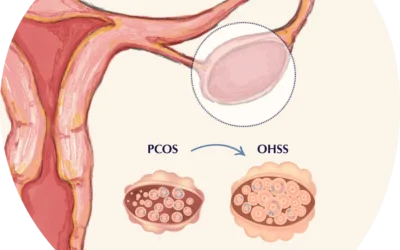
Ovarian Hyperstimulation Syndrome (OHSS)
What Happens in the Body During OHSS?
In IVF, medications such as human chorionic gonadotropin (hCG) are used to help your ovaries mature multiple eggs at once. In some women, this stimulation can be excessive, causing the ovaries to swell and leak fluid into the abdomen and, in rare cases, into the chest.
This fluid shift is caused by increased vascular permeability, meaning that blood vessels become unusually leaky. The result is fluid moving out of the blood vessels and accumulating in body cavities. This can lead to bloating, abdominal pain, nausea, and in more severe cases, dehydration, difficulty breathing, and blood clots.
OHSS is classified into three types:
- Mild: Abdominal discomfort, bloating, and slight weight gain.
- Moderate: Increased abdominal swelling, nausea/vomiting, diarrhea/constipation
- Severe: Rapid weight gain, severe pain, shortness of breath, decreased urination, and blood clots.
Who is at Risk for OHSS?
Certain women are more susceptible to developing OHSS. Risk factors include:
- Age under 30
- Polycystic Ovary Syndrome (PCOS) – due to higher sensitivity to stimulation
- High Antral Follicle Count (AFC) – meaning more potential follicles to stimulate
- High levels of Anti-Müllerian Hormone (AMH) – indicating a high ovarian reserve
- Previous episode of OHSS
- Use of hCG to trigger ovulation or support the luteal phase
- High number of follicles and/or high estradiol levels at time of trigger
- High number of oocytes retrieved
Women who become pregnant in the same cycle may also experience worsening OHSS symptoms, as pregnancy increases natural hCG production, which can prolong or intensify the condition.
How AMH Can Help Predict the Risk of OHSS During IVF
The Anti-Müllerian Hormone is a hormone produced by small ovarian follicles and is often measured to assess ovarian reserve. High AMH levels generally mean a higher number of follicles and a greater response to stimulation. Research shows that AMH is one of the best indicators for predicting the risk of ovarian hyperstimulation syndrome. In fact, AMH may be even more accurate than other common markers like estrogen levels or ultrasound findings.
Different labs use different types of assays, so the “cutoff” value, i.e. the point at which risk increases, can vary. Depending on the assay, an AMH greater than 3.4 ng/mL or 5 ng/mL puts you at increased risk of OHSS. Please make sure your physician is familiar with the AMH assay used and its respective cutoff value. Typically, clinics also have in-house cutoff values for concern for OHSS that are based on their patient cohort.
At LEVY Health, we interpret your AMH according to your age and the assay used, so you’ll have the most accurate assessment of your OHSS risk.
Doctors can use your AMH level to create a personalized medication plan for IVF. This helps lower the chance of OHSS. In studies where AMH was used to guide treatment, the number of women who developed OHSS dropped significantly—for example, from 19.8% to 11.2%, or even as low as 1%.
What to Do If You Notice Symptoms
Early recognition of symptoms is crucial. If you experience any of the following, especially in the days after egg retrieval or embryo transfer, contact your fertility clinic or doctor immediately:
- Rapid weight gain (more than 5 pounds/2.3 kg in the 1st few days following retrieval)
- Severe or worsening abdominal pain and bloating
- Nausea or vomiting that prevents you from eating or drinking
- Decreased urine output or dark urine
- Shortness of breath or chest pain
- Leg swelling or sudden tenderness (possible sign of blood clot)
How is OHSS Managed?
Mild to moderate OHSS is often managed at home with rest, adequate fluid intake, and careful monitoring. Your doctor may recommend rest, monitoring your fluid intake and urine output, avoiding vigorous exercise/activity, and weighing yourself daily.
Severe OHSS may require hospitalization for IV fluids, monitoring of kidney function and electrolytes, drainage of excess fluid, or anticoagulants to prevent blood clots.
If you are not a good candidate for becoming pregnant based on your risk for OHSS, your physician may recommend a frozen transfer in a later cycle (so not a fresh transfer days after the retrieval). This is to ensure that you can recover from OHSS before you become pregnant given the high risk of severe OHSS in setting of both OHSS and pregnancy. However, if you do happen to develop severe OHSS while you are pregnant, your doctors will recommend hospitalization for close monitoring as mentioned above.
Can OHSS Be Prevented?
Yes. Doctors take several steps to reduce the risk:
- Adjusting medication doses based on your individual hormone levels and follicle response
- Using a “GnRH agonist trigger” instead of hCG for ovulation if you’re high-risk
- Considering a “freeze-all” approach, where embryos are frozen and transfer is delayed to avoid OHSS worsening from pregnancy
- Monitoring estradiol levels and follicle count closely during stimulation
When choosing your fertility clinic, please inquire how often complications such as OHSS occur in this clinic and if there is an altered medication regime in place if you have a high AMH or PCOS. Ideally, fewer than 5% of cycles are affected by OHSS. Ask for instructions in case you experience symptoms, and who should call.
Sources:
- Bo Sun et al (2021). Factors Associated with Ovarian Hyperstimulation Syndrome (OHSS) Severity in Women With Polycystic Ovary Syndrome Undergoing IVF/ICSI. Frontiers in Endocrinology
- P. Ocal et al (2011). Serum anti-Müllerian hormone and antral follicle count as predictive markers of OHSS in ART cycles. Journal of Assisted Reproduction and Genetics
- A. Salmassi et al (2015). Cut-Off Levels of Anti-Mullerian Hormone for The Prediction of Ovarian Response, In Vitro Fertilization Outcome and Ovarian Hyperstimulation Syndrome. International Journal of Fertility and Sterility
- M. Aghssa et al (2015). Optimal cutoff value of basal anti-mullerian hormone in Iranian infertile women for prediction of ovarian hyper-stimulation syndrome and poor response to stimulation. Reproductive Health
- E. Anckaert et al (2019). Evaluation of the Elecsys® anti-Müllerian hormone assay for the prediction of hyper-response to controlled ovarian stimulation with a gonadotrophin-releasing hormone antagonist protocol. European Journal of Obstetrics, Gynecology, and Reproductive Biology
- A. Sood, A. Goel, Shivani Boda, R. Mathur (2020). Prediction of significant OHSS by ovarian reserve and ovarian response – implications for elective freeze-all strategy. Human Fertility
- J. Bruno-Gaston et al (2021). Association of ovarian response with picoAMH in women undergoing controlled ovarian hyperstimulation. Clinical Biochemistry
- N. Sopa et al (2019). An AMH-based FSH dosing algorithm for OHSS risk reduction in first cycle antagonist protocol for IVF/ICSI. European Journal of Obstetrics, Gynecology, and Reproductive Biology